Napping can feel like a simple act of surrender—a brief closing of the eyes when the afternoon slump hits. Yet for those who rely on naps for recovery, whether shift workers, new parents, or anyone navigating a sleep deficit, the difference between waking refreshed and feeling groggy often comes down to what happens in the hour before you lie down. Sleep specialists approach this pre-nap window with intention, avoiding specific habits that can sabotage the quality of those precious minutes of rest.
The goal of a strategic nap isn't just to stop feeling tired for a moment. It's to achieve maximum recovery: to enhance alertness, improve mood, and bolster cognitive function without interfering with nighttime sleep. The choices we make beforehand directly influence whether we reach that light, restorative stage of sleep or plunge into deeper sleep cycles that leave us disoriented. By understanding what experts avoid, we can craft a nap ritual that truly works.
Why Your Pre-Nap Routine Matters
Think of your body's sleep system as having two primary drivers: your circadian rhythm (your internal 24-hour clock) and sleep pressure (the buildup of a chemical called adenosine that makes you feel sleepy). A well-timed nap taps into a natural dip in circadian alertness, often in the early afternoon, and uses accumulated sleep pressure to facilitate quick sleep onset. However, certain substances and activities can disrupt these delicate signals, either blocking sleepiness, altering sleep architecture, or both.
Sleep specialists focus on protecting the integrity of the nap itself and, crucially, safeguarding the night that follows. Their pre-nap avoids aren't about arbitrary restrictions; they're about creating the cleanest possible physiological slate for efficient recovery.
The Core Items Sleep Experts Steer Clear Of
If you were to shadow a sleep doctor before their planned nap, you'd notice a deliberate avoidance of a few key categories.
Caffeine in the Hour Before
This is the most common misstep. While a cup of coffee right before a nap might sound like a hack—the idea of "caffeine napping" where you sleep as the caffeine travels to your brain—sleep specialists generally advise against it for maximum recovery. The reason is consistency and control. Caffeine's effects vary widely between individuals based on genetics and tolerance. For many, consuming it even 30 minutes before lying down can stimulate the nervous system enough to delay sleep onset or fragment the nap's quality, preventing you from sinking into the restorative stages. The goal of a recovery nap is to achieve actual sleep, not just rest with a stimulant coursing through your system.
For a pure recovery nap, let your body's own sleep drive be the guide, not a chemical override.
Heavy, Rich, or Sugary Foods
Lying down shortly after a large meal asks your body to do two demanding jobs at once: digest and sleep. Digestion activates the parasympathetic "rest and digest" system, which sounds compatible with sleep, but the physical process can cause discomfort, bloating, or acid reflux when horizontal. More subtly, a big spike in blood sugar from sugary snacks can lead to an energy crash that feels like sleepiness, but the subsequent metabolic rollercoaster may disrupt stable sleep. Experts tend to favor a light snack if needed, or simply napping before a meal.
Bright Artificial Light and Screens
Light is the primary regulator of your circadian rhythm. Exposure to bright, blue-wavelength light from phones, tablets, or computers in the pre-nap period sends a strong signal to your brain that it's time to be awake, suppressing the release of melatonin. Sleep specialists emphasize creating a dim environment in the lead-up to a nap. This doesn't mean you must sit in darkness for an hour, but it does mean avoiding the direct, close-range screen glare that tells your internal clock the opposite of what you want it to hear.
Less Obvious Habits That Can Interfere
Beyond consumption, certain activities can also undermine nap efficacy. Experts are mindful of these subtler influences.
Intense Exercise: A vigorous workout raises core body temperature and releases stimulants like adrenaline and cortisol. Since a natural drop in core temperature is a signal for sleep initiation, exercising too close to naptime can make it harder to fall asleep. Gentle stretching or walking is a safer pre-nap choice.
Stressful or Activating Work: Diving into a high-stakes project or a stressful conversation right before a nap can leave your mind racing and your nervous system activated. Sleep specialists recommend a brief buffer period—even five minutes—of quiet, non-stimulating activity to transition the brain toward rest.
Long or Late Naps: While this is about timing, it influences the "before" behavior. Experts avoid napping too late in the day (generally after 3 or 4 PM for most) because it can reduce sleep pressure at bedtime. The avoidance here is of the nap itself if the timing is wrong. They also typically cap naps at 20-30 minutes for optimal alertness without sleep inertia, which influences how they prepare for a short, focused rest.
Crafting an Ideal Pre-Nap Ritual
So what does a sleep specialist do? The focus is on consistency and cues. They might:
- Choose a consistent nap time, ideally during the post-lunch circadian dip.
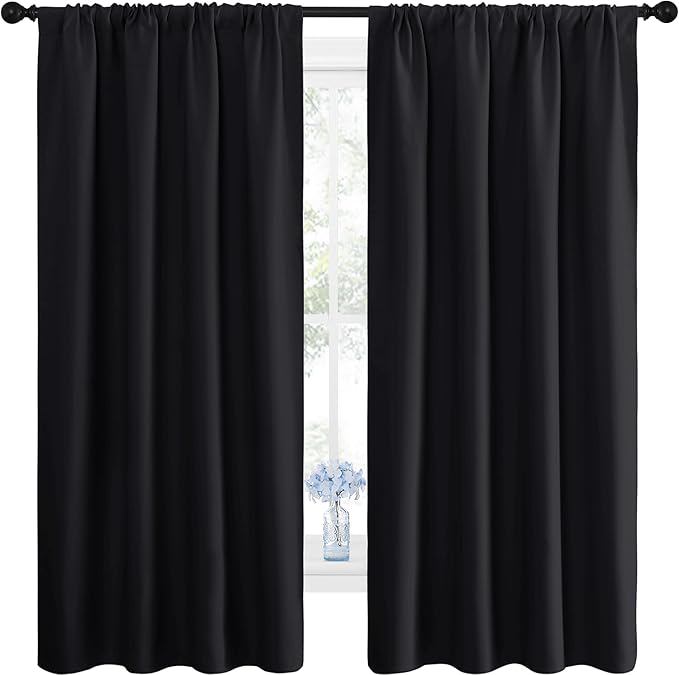
- Move to a cool, dark, and quiet environment.
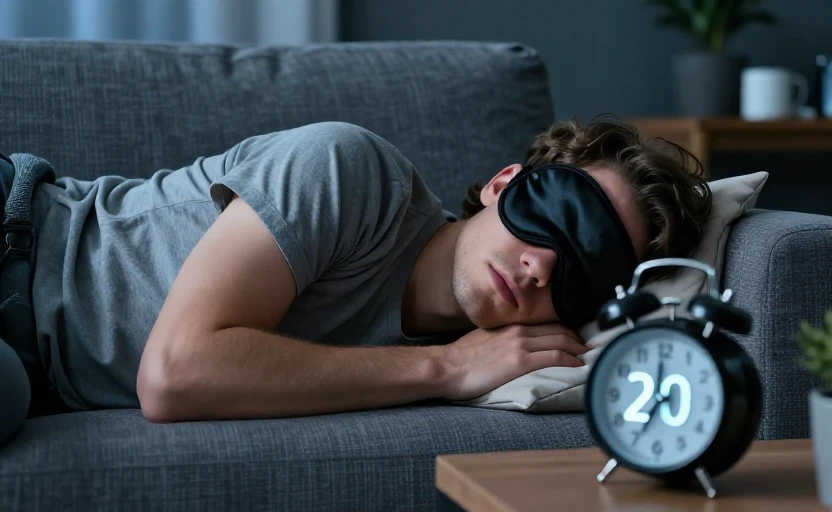
- Use a light-blocking eye mask or earplugs if needed.
- Practice a few minutes of deep breathing or a simple mindfulness exercise to quiet the mind.
- Set a gentle alarm for 20-30 minutes to avoid oversleeping anxiety.
This ritual becomes a signal to the body and brain that it's time for a specific, limited period of recovery. The avoids clear the path, and the ritual walks you down it.
Understanding the "Why" Behind the Avoids
The underlying principle is minimizing interference. Every substance or stimulus that acts as a stimulant, digestive burden, or circadian disruptor is a form of noise. The nap is the signal. For maximum recovery, you want the strongest possible signal-to-noise ratio. This allows your nervous system to efficiently switch into rest mode, spend a brief period in the restorative light stages of sleep (and sometimes early stage 2 sleep), and then switch back to alertness with minimal drag.
It’s a practice of respecting sleep biology rather than fighting it. By avoiding these common pre-nap pitfalls, you give your body the best chance to do what it naturally knows how to do: restore itself, even in a short window of time.