Watching your child explore new foods is a joy, but it can also be a source of quiet worry. That moment when they take a bite of something a little too big, or a piece seems to stick for a second too long, can make any parent’s heart skip a beat. Choking is a leading cause of injury and death for young children, and food is the most common culprit. The good news is that much of this risk is preventable with awareness and a few simple adjustments.
Pediatric health organizations have spent decades studying these risks, and their guidelines offer a clear, evidence-based roadmap for keeping mealtimes safe. This isn't about fear; it's about practical knowledge. By understanding which foods pose the highest risk and why, and learning how to prepare and serve foods safely, you can foster your child's independence and curiosity at the table with greater confidence.
Why are young children at higher risk for choking on food?
Choking hazards aren't random. They align closely with a child's stage of development. Infants and toddlers are learning to manage food in their mouths, but their bodies are still mastering the mechanics. They have smaller airways—about the width of a drinking straw—that can be easily blocked. Their chewing muscles are still developing, they may not yet have a full set of molars for grinding, and their swallowing coordination isn't fully mature. Perhaps most importantly, they are easily distracted, prone to laughing, talking, or moving while eating, which can lead to taking an ill-timed breath with food still in their mouth.
The combination of exploration, underdeveloped skills, and narrow airways makes the preschool years a critical time for supervision and safe food preparation.
High-risk foods: What to watch for
Guidelines from the American Academy of Pediatrics (AAP) and other global health bodies consistently highlight specific food characteristics that increase choking risk: small, round, or cylindrical shapes; hard or tough textures; sticky or dense consistencies; and smooth, slippery surfaces that can be difficult to control. It's less about banning entire food groups and more about modifying how you serve them.
Common choking hazards by category
- Firm, round foods: Whole grapes, cherry tomatoes, whole blueberries, whole olives. Their perfect round shape can completely seal a young child's airway.
- Hard, crunchy foods: Raw carrot rounds, apple chunks, whole or large pieces of nuts, popcorn. These require significant chewing force and can be difficult to break down.
- Sticky or dense foods: Large globs of peanut butter (especially eaten straight from a spoon), marshmallows, gummy candies, chunks of cheese. These can mold to the airway and are hard to dislodge.
- Slippery, firm foods: Whole hot dogs or sausage links, large pieces of meat or poultry, hard candy. Their combination of a smooth surface and firm texture makes them prone to slipping down the throat before being adequately chewed.
How to prepare foods safely
Transforming high-risk foods into safe, manageable bites is straightforward. The goal is to change the shape and texture to prevent airway blockage and make chewing easier.
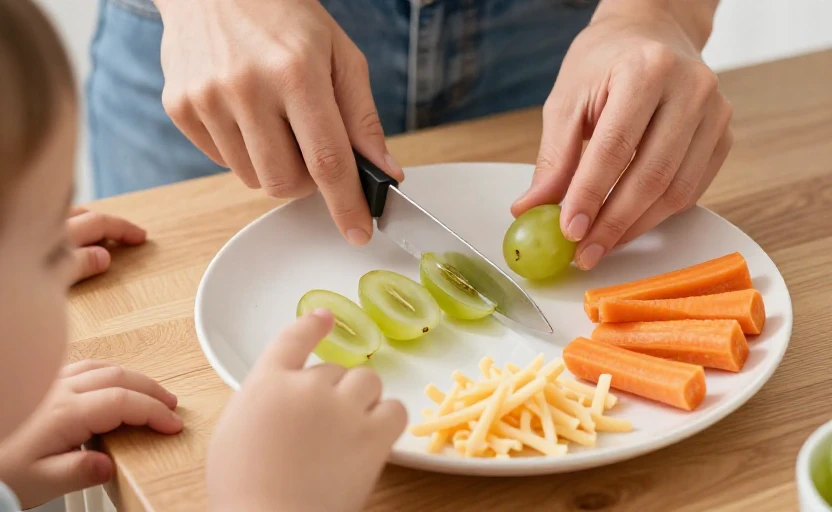
- Cut lengthwise, not across: For cylindrical foods like grapes, cherry tomatoes, and hot dogs, always cut them lengthwise into quarters or thin strips. This eliminates the dangerous round shape. Cutting a grape or hot dog into round discs is still a choking hazard.
- Cook to soften: Steam or cook hard vegetables like carrots, broccoli, and cauliflower until they are easily pierced with a fork. Grate or shred raw carrots for older toddlers.
- Spread, don't glob: Spread nut butters thinly on toast or crackers. Avoid serving a spoonful by itself.
- Modify meat and cheese: Cut meat and firm cheese into very small, pea-sized pieces or shred them finely. Remove all fat, skin, and gristle.
- Choose safer alternatives: Opt for puffed grain snacks or teething crackers instead of popcorn or nuts. Offer applesauce or very thin, soft-cooked apple slices instead of raw apple chunks.
Creating a safe eating environment
Safe food preparation is only one part of the equation. How and where a child eats is equally important.
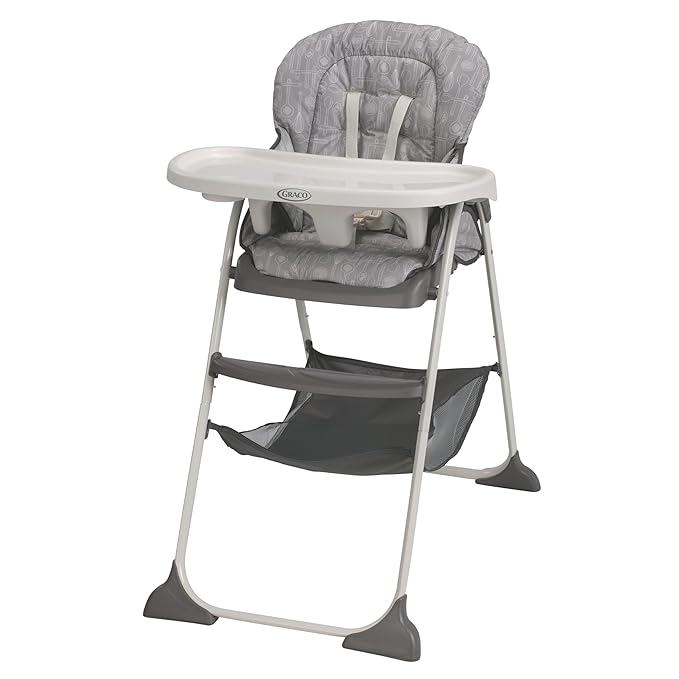
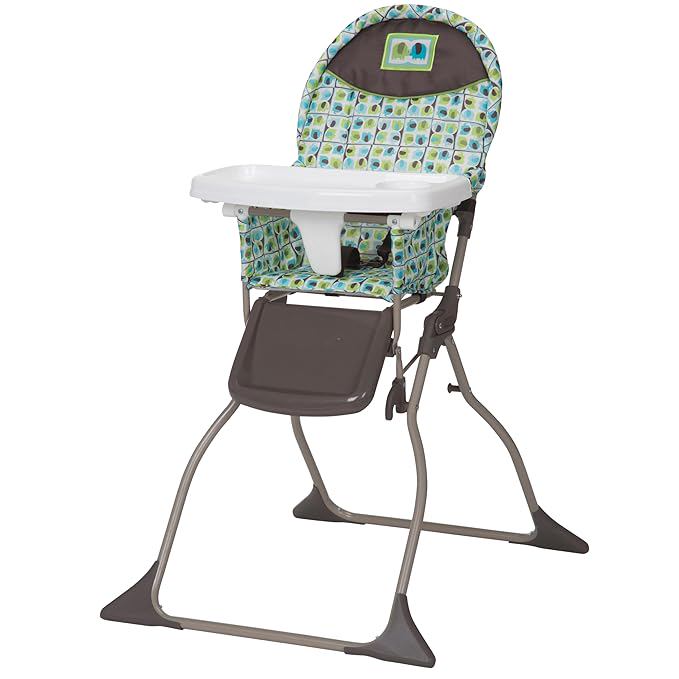
Always ensure your child is seated upright during meals and snacks, not walking, running, lying down, or riding in a car seat. High chairs and booster seats at a table are ideal. Supervise closely—this means being present and focused, not just in the same room. Encourage calm eating; discourage laughing, talking, or playing with food in their mouth. Teach your child to take small bites and chew thoroughly, modeling this behavior yourself. Finally, keep mealtimes relaxed. Rushing a child or creating a stressful atmosphere can lead to hurried eating and increase risk.
Active supervision means your eyes are on your child whenever food is present. It's the single most effective safety practice.
When to introduce higher-risk textures
As children grow, their skills improve. There's no magic age when all choking risk disappears, but general milestones can guide you. By around age 4, most children have better chewing and swallowing coordination and can handle more challenging textures with careful preparation. However, some foods, like whole nuts, popcorn, and hard candy, are generally advised against until at least age 4 or 5, and even then, should be introduced with caution and close supervision. Always let your child's individual chewing ability and maturity, not just their age, be your guide.
Being prepared: CPR and choking first aid
Every parent and caregiver should know what to do in an emergency. Take an infant and child CPR and choking first aid course from a certified organization like the American Red Cross or American Heart Association. Keep the skills fresh with periodic refreshers. Remember, if a child is coughing forcefully or crying, their airway is only partially blocked. Encourage them to keep coughing. Only intervene with back blows and chest thrusts (for infants) or abdominal thrusts (for children over 1 year) if they cannot breathe, cough, cry, or speak—this signals a complete airway blockage.
Navigating food choices is a fundamental part of parenting. By integrating these pediatric guidelines into your routine, you build a foundation of safety that allows the joy of eating and discovery to flourish. It’s a quiet layer of care that empowers both you and your child.