You’ve turned off the lights, settled into bed, and then it arrives—that unmistakable rumble in your stomach. It’s not hunger for a full meal, but a quiet insistence that something is needed. Ignoring it can mean tossing and turning, your body too distracted by a hollow feeling to drift off. Yet, the idea of eating before bed is often tangled with warnings and guilt. What if that small bite could actually be a supportive part of your routine, especially as your body’s needs change with time?
Registered dietitians often see this evening crossroads not as a problem to avoid, but as an opportunity. The goal isn’t to eat a lot, but to eat thoughtfully. A light, well-chosen snack can be a gentle signal to your nervous system that it’s safe to rest, while also providing nutrients that support the natural repair processes that happen during sleep—processes that become ever more precious for healthy aging.
The Philosophy Behind a Sleep-Supportive Snack
This isn’t about a late-night indulgence. The dietitian-approved approach is strategic and gentle. It focuses on two key mechanisms: stabilizing blood sugar and encouraging the production of sleep-promoting neurotransmitters, like melatonin and serotonin.
When blood sugar dips too low overnight, your body may release cortisol, a stress hormone that can pull you toward wakefulness. A small snack with a mix of complex carbohydrates and a little protein or healthy fat can provide a slow, steady fuel source to prevent this dip. Meanwhile, the amino acid tryptophan, found in many protein foods, is a precursor to serotonin and melatonin. Pairing it with a carbohydrate helps it cross the blood-brain barrier more effectively.
The perfect evening bite is a bridge—it satisfies immediate physical need while quietly supporting the body’s overnight renewal work.
Nutrients to Look For in Your Evening Choices
As we age, our bodies can become less efficient at absorbing and utilizing certain nutrients. A mindful snack can help fill subtle gaps. Dietitians often highlight a few key players for the evening hours.
Magnesium: The Relaxation Mineral
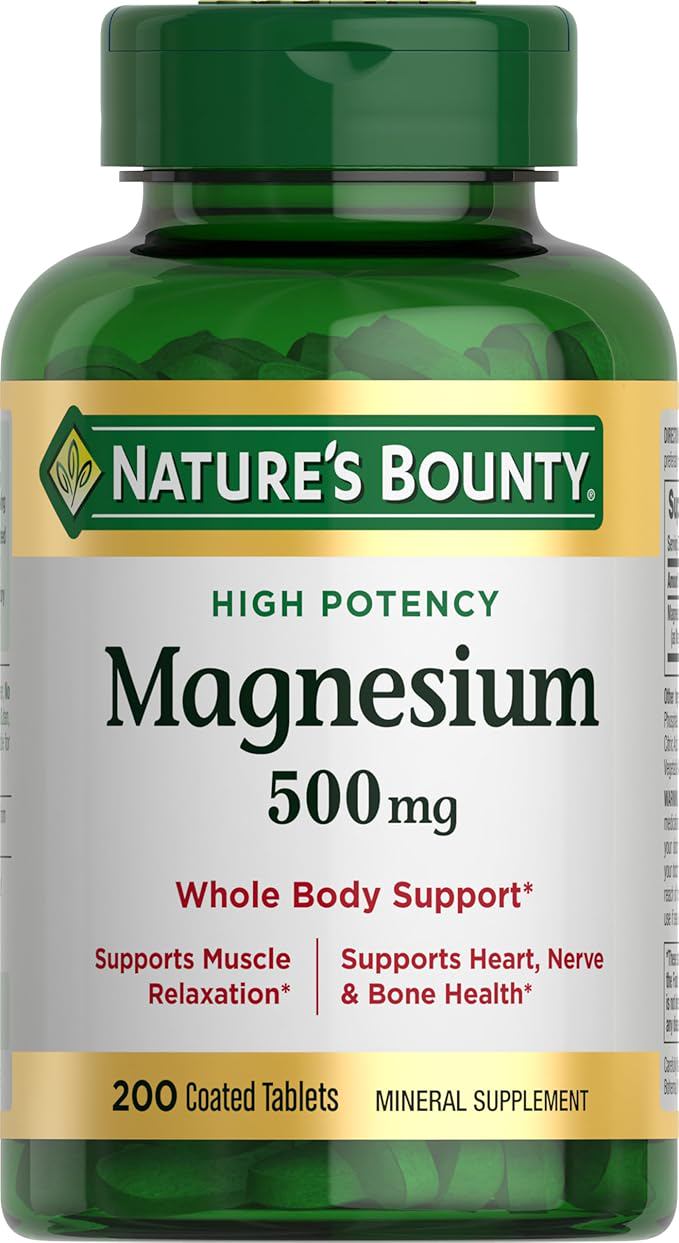
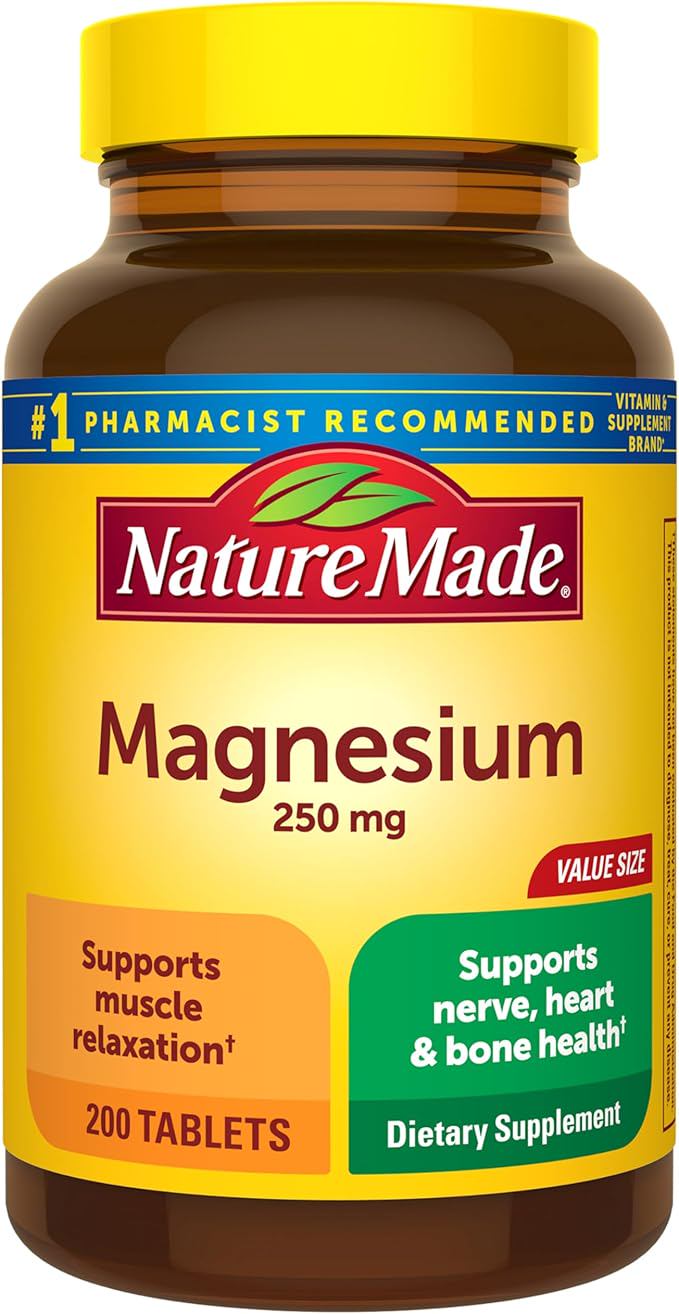
Magnesium acts like a natural relaxant for your muscles and nervous system. It’s involved in hundreds of biochemical reactions, including those that regulate the sleep-wake cycle. Levels can decline with age or certain medications. A snack containing magnesium can be a calming nudge toward rest.
Tryptophan and Melatonin
Tryptophan is the building block for serotonin, our “feel-good” neurotransmitter, which is then converted into melatonin, the “sleep” hormone. Some foods also contain trace amounts of melatonin itself. Including sources of these compounds can support your body’s natural sleep chemistry.
Fiber and Healthy Fats
A bit of fiber and healthy fat helps slow digestion, contributing to that stable blood sugar through the night. This is particularly helpful for metabolic health, a common focus in aging well. They also promote satiety, so a small amount truly feels like enough.
Concrete Ideas from the Dietitian’s Playbook
So, what does this look like on a real plate or in a bowl? The combinations are simple, satisfying, and far from a chore to prepare. The portion should be small—think of it as a pause, not a meal.
- A few whole-grain crackers with a thin spread of almond butter and a light drizzle of honey.
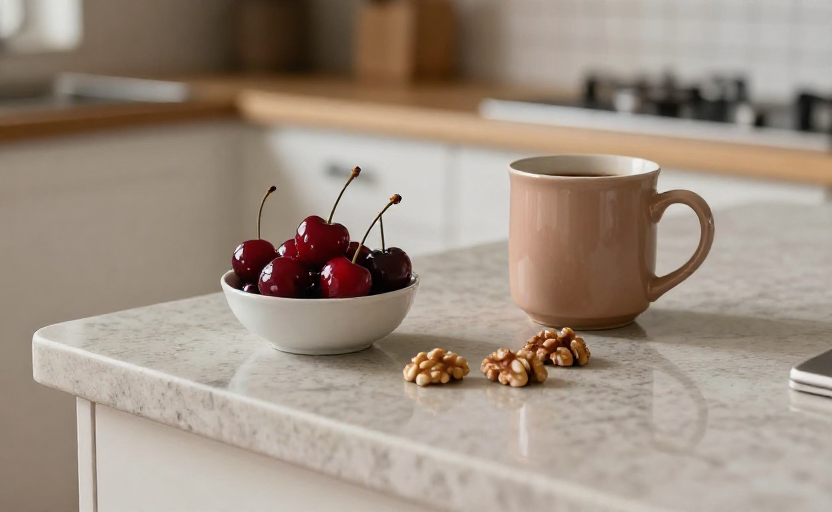
- A small bowl of tart cherries (fresh, frozen, or a splash of 100% juice). Research suggests they contain melatonin and antioxidants.
- Half a banana sliced and paired with a small handful of walnuts. Bananas offer magnesium and potassium; walnuts provide melatonin and healthy fats.
- A single square of dark chocolate (70% cacao or higher) with a few almonds. Dark chocolate contains magnesium, and almonds have both magnesium and melatonin.
- A small cup of plain yogurt (Greek or regular) with a teaspoon of ground flaxseed or chia seeds. This provides protein, calcium, and omega-3s.
- A warm, small mug of milk (dairy or fortified unsweetened plant-based). The classic remedy has science behind it: dairy contains tryptophan and calcium, which aids tryptophan’s use. The warmth itself is soothing.
What to Avoid as Bedtime Nears
Just as some foods can help, others are likely to hinder. Dietitians consistently advise steering clear of these before bed:
- Heavy, greasy, or large meals: They demand significant digestive effort, which can cause discomfort and disrupt sleep.
- Excessive caffeine: This extends beyond coffee to hidden sources like dark chocolate (in large amounts), some teas, and even certain medications.
- High-sugar foods and refined carbs: A candy bar or sugary cereal can cause a rapid spike and subsequent crash in blood sugar, potentially waking you up later.
- Alcohol: While it may induce initial drowsiness, it fragments sleep architecture, reducing restorative deep sleep and often causing mid-night awakenings.
- Excessive fluids: A small drink is fine, but a large glass of water right before bed increases the likelihood of disruptive trips to the bathroom.
Timing matters, too. Aim for your snack about 60 to 90 minutes before you plan to sleep. This gives your body time to begin digestion without the process being in full swing as you try to drift off.
Listening to Your Body’s Changing Needs
Aging isn’t a monolith, but it often brings shifts that make this gentle approach to evening eating more relevant. Metabolism naturally slows, muscle mass can gradually decrease, and the body may become more sensitive to blood sugar fluctuations. A small, nutrient-dense snack can help provide steady energy for overnight fasts, support muscle protein synthesis (especially if paired with protein), and prevent morning stiffness or fatigue linked to low overnight fuel.
It’s also a moment of self-care—a ritual that says, “I am providing what I need to rest well.” That psychological signal is powerful. If you take medications that affect appetite or nutrient levels, or have specific conditions like diabetes, a conversation with your dietitian or doctor can help tailor these general principles to your personal map.
Ultimately, the dietitian’s suggestion for a light evening snack is an invitation to kindness and practicality. It’s permission to honor a genuine hunger cue with intelligence, using food not just as fuel, but as a subtle, supportive tool for deeper sleep and resilient aging. Start small, notice how you feel upon waking, and let that be your guide.