
You know the feeling: you lie down for a quick afternoon nap, hoping to recharge, only to wake up an hour later feeling foggy, heavy, and more disoriented than before you closed your eyes. That post-nap grogginess, sometimes called sleep inertia, can derail the rest of your day. While timing and environment play huge roles, what you eat in the hours leading up to your nap can be a silent saboteur—or a powerful ally.
Registered dietitians point to specific nutrients and food combinations that can support the body’s natural transition into a short, restorative sleep state, and help you avoid the dense, sticky grogginess upon waking. It’s not about eating to fall asleep, but rather choosing foods that won’t fight your body’s gentle descent into rest.
Why Food Choices Matter for Napping
Napping is different from a full night’s sleep. You’re aiming for a brief dip into the lighter stages of sleep, primarily stages 1 and 2, to gain cognitive refreshment without plunging into the deep, slow-wave sleep that makes waking so difficult. The wrong foods can disrupt this delicate balance by causing blood sugar spikes and crashes, demanding heavy digestive effort, or introducing stimulants that keep your nervous system alert.
The goal is to create a stable internal environment. You want steady blood sugar to prevent an energy crash that triggers grogginess, and you want to avoid foods that require significant metabolic work to digest, which can lead to that heavy, sluggish feeling upon waking.
Think of your pre-nap snack as a signal to your body, not a sedative. You’re signaling that it’s safe to rest and recover.
Foods and Nutrients That Support Restful Naps
Certain nutrients act as gentle supports for relaxation and stable energy. Incorporating small amounts of these in a balanced snack about 30-60 minutes before you plan to rest can make a noticeable difference.
Complex Carbohydrates: These are your foundation. A small portion of whole grains, like a few whole-grain crackers or a slice of oat bread, provides a slow, steady release of glucose. This helps prevent the blood sugar roller coaster—a sharp rise followed by a precipitous drop—that can leave you feeling jittery before your nap and profoundly groggy after.
Pair Carbs with a Little Protein or Healthy Fat: This is the golden rule for nap-friendly eating. Adding a small amount of protein or fat further slows digestion and stabilizes blood sugar. Think of it as creating a sustained-release energy packet. A smear of almond butter on that whole-grain cracker, a few slices of turkey, or a small handful of nuts alongside your fruit transforms a simple carb into a balanced mini-meal.
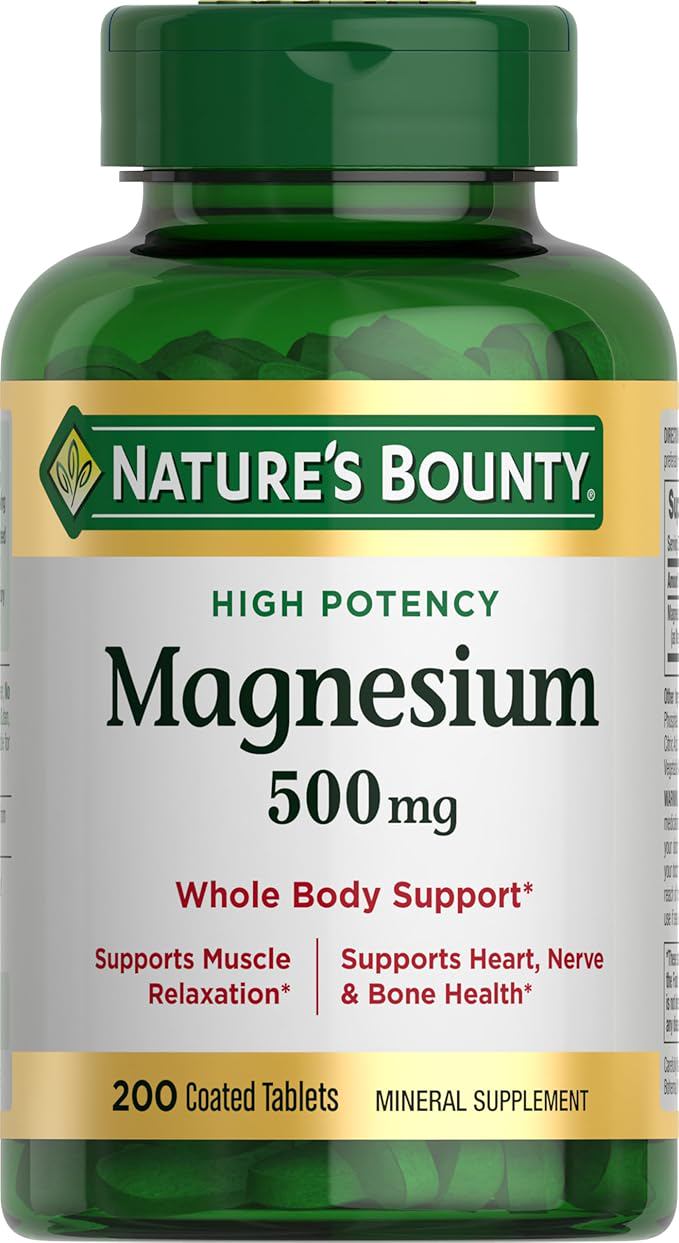
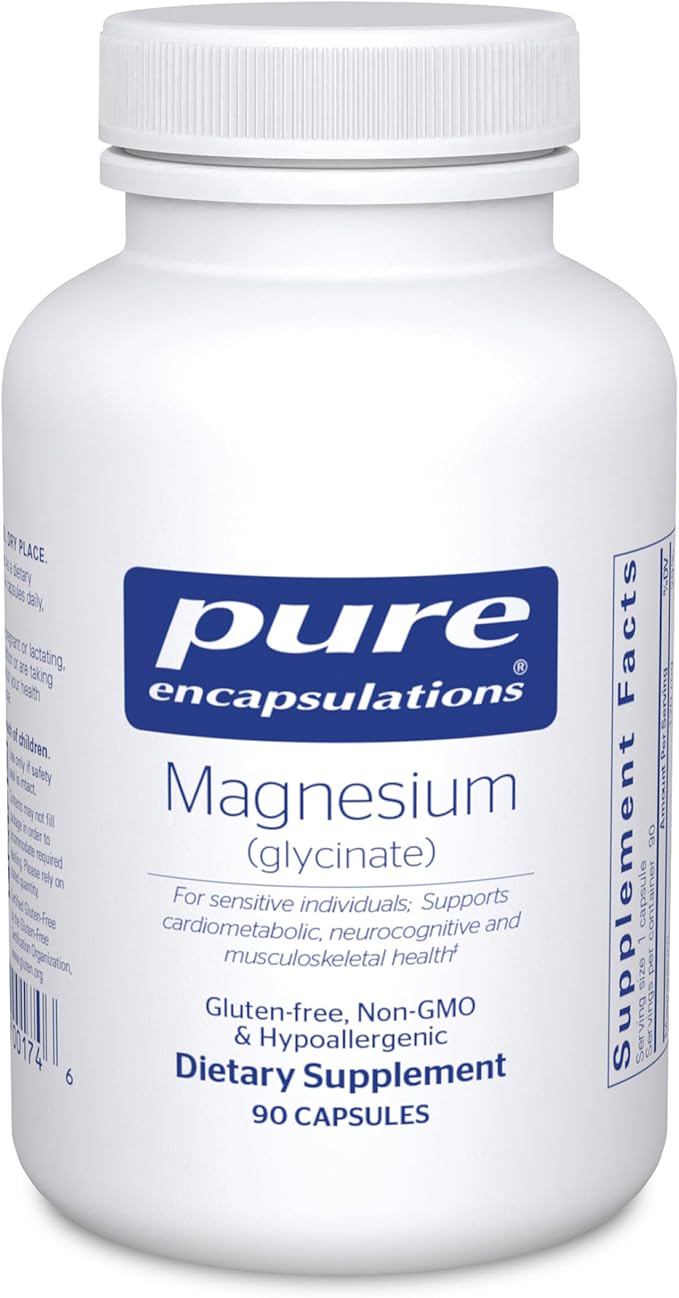
Foods with Natural Magnesium and Tryptophan: Magnesium is a mineral that plays a role in muscle relaxation and nervous system calm. Tryptophan is an amino acid that’s a precursor to serotonin and melatonin, hormones involved in sleep regulation. You’ll find them in foods like bananas, pumpkin seeds, almonds, and plain yogurt. The key is to consume them as part of a small, balanced snack, not a large meal.
What to Avoid Before You Lie Down
Just as some foods can help, others are almost guaranteed to hinder a restful nap. The main culprits fall into three categories.
Heavy, Fatty, or Large Meals: A big lunch of fried food, creamy pasta, or a large cheeseburger forces your digestive system into high gear. Your body diverts energy to your gut, which can make you feel initially sleepy, but the ongoing digestive workload can lead to discomfort, bloating, and a very groggy awakening. Aim for a lighter main meal if you know a nap is in your future.
Refined Sugars and Simple Carbs: That candy bar, sugary soda, or even a large glass of fruit juice can cause a rapid spike in blood sugar, followed by a sharp crash. You might feel an urgent need to nap when you crash, but the instability can result in a fragmented, low-quality rest and intense grogginess. The rebound alertness from the crash can also make it harder to fall asleep in the first place.
Caffeine and Excessive Fluids: This seems obvious, but caffeine’s effects can last for hours. Even that morning coffee might still be influencing your system. Also, drinking a large volume of any fluid right before napping increases the likelihood you’ll need to wake up to use the bathroom, cutting your rest short.
Practical Snack Ideas from Dietitians
Putting this into practice is simple. The ideal pre-nap snack is small (around 150-200 calories), balanced, and consumed with enough time for the initial digestion to settle. Here are a few concrete combinations dietitians often suggest:
- A small banana with a tablespoon of almond butter.
- Half a slice of whole-grain toast with a quarter of an avocado.
- A small container of plain Greek yogurt with a sprinkle of pumpkin seeds.
- A few whole-grain crackers with a slice of turkey or a small piece of cheese.
- A small apple with a handful of walnuts.
Notice the pattern: a modest portion of a complex carb paired with a source of protein or healthy fat. It’s enough to satisfy hunger and provide stable energy, but not so much that it becomes the main event for your digestive system.
Timing and Hydration Are Part of the Equation
Your snack timing is almost as important as its composition. Eating immediately before lying down can lead to acid reflux and discomfort. Giving yourself 30 to 60 minutes allows your body to begin the digestive process calmly.
Hydration matters, too. Dehydration can cause fatigue, but overhydration can interrupt your nap. Sip water steadily throughout the morning and early afternoon. If you’re thirsty before your nap, take a few small sips of water, but avoid gulping down a full glass.
Ultimately, a restful nap is a holistic practice. A light, balanced snack creates a supportive internal environment. Pair it with a cool, dark, quiet space and a short nap duration (20-30 minutes is the sweet spot for avoiding deep sleep grogginess), and you’ve built a recipe for true rejuvenation.