
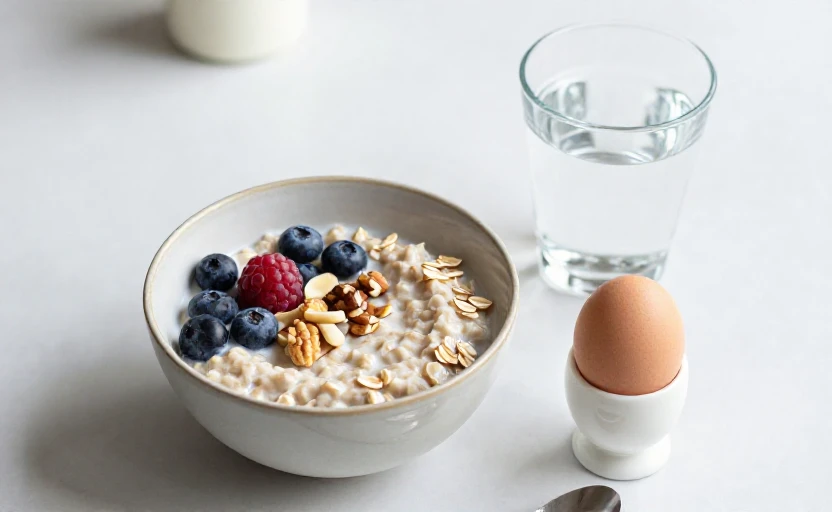
Your morning mood isn't just about the day ahead; it's often shaped by what you ate when you first woke up. That shaky, scattered feeling or the mid-morning crash isn't inevitable. According to dietitians, the balance of protein and carbohydrates on your breakfast plate plays a surprisingly direct role in setting a calm, steady tone for your hours ahead.
It’s less about strict rules and more about understanding how these nutrients communicate with your body. The right combination can help stabilize blood sugar, modulate stress hormones, and provide sustained energy, creating a foundation of physical calm that makes mental clarity easier to achieve.
Why Your Breakfast Choices Set the Tone
Think of your first meal as setting the rhythm for your body's internal systems. After a night of fasting, your blood sugar is naturally lower. What you eat next triggers a hormonal response. A breakfast heavy in simple, refined carbohydrates—like a sweet pastry, sugary cereal, or white toast with jam—can cause a rapid spike in blood sugar, followed by a sharp drop. This rollercoaster often manifests as jitteriness, anxiety, irritability, and then fatigue.
The goal isn't to avoid carbs, but to pair them thoughtfully with protein and fat to slow their absorption.
This slower, more gradual release of energy helps avoid those peaks and valleys, supporting a steadier mood and sustained focus. Dietitians emphasize that this balance is key to preventing the physiological stress that can feel like anxiety.
The Calming Power of Protein
Protein is the anchor of a calming breakfast. It increases satiety, keeping you full and satisfied longer, which reduces the distraction of hunger. More importantly for mood, protein provides the amino acids your body uses to build neurotransmitters.
One key amino acid is tryptophan, a precursor to serotonin—a neurotransmitter heavily involved in regulating mood, sleep, and a sense of well-being. Including a solid protein source helps ensure your body has the building blocks it needs for this calm-promoting chemistry.
Excellent Morning Protein Sources
- Greek yogurt or skyr
- Cottage cheese
- Eggs (any style)
- Lean poultry sausage or turkey bacon
- Smoked salmon or canned fish
- Lentils or beans (in a breakfast hash or spread)
- Protein powder blended into a smoothie
- Tofu or tempeh
Choosing the Right Carbohydrates
Carbohydrates are not the enemy; they are your brain's primary fuel source. The type and quality make all the difference. Complex carbohydrates, rich in fiber, are your allies for a calm start.
Fiber slows digestion, further contributing to stable blood sugar. It also feeds the beneficial bacteria in your gut, and emerging research on the gut-brain axis suggests a healthy gut microbiome is linked to improved stress resilience and mood.
Smart Carbohydrate Choices for Breakfast
- Oatmeal or steel-cut oats
- Whole-grain bread or toast
- Quinoa or other whole grains
- Sweet potatoes
- Berries, apples, and pears (with their skin on for fiber)
- Bananas (also a source of potassium)
Putting It All Together: Calming Breakfast Ideas
The magic happens in the combination. Here are a few dietitian-inspired ideas that balance protein and complex carbs for sustained calm and energy.
Savory Oatmeal Bowl: Prepare oats with broth or water, then top with a soft-boiled egg, sautéed spinach, and a sprinkle of seeds.
The Balanced Smoothie: Blend plain Greek yogurt, a handful of spinach, frozen berries, a tablespoon of nut butter, and a scoop of oats or chia seeds.
Power Toast: Top whole-grain toast with mashed avocado, a sprinkle of everything bagel seasoning, and a few slices of smoked salmon or a hard-boiled egg.
Simple Yogurt Parfait: Layer plain Greek yogurt with fresh berries, a drizzle of honey, and a handful of walnuts or almonds.
Breakfast Hash: Sauté diced sweet potato and onion until tender, add black beans and kale, and top with a fried egg.
What to Be Mindful Of
While focusing on what to include, it's also helpful to know what might undermine a calm start. Be cautious of breakfasts that are essentially dessert in disguise: sugary cereals, flavored yogurts high in added sugar, pastries, and syrupy coffee drinks. These can initiate that blood sugar spike and crash cycle.
Also, remember that hydration plays a role. Starting your day with a glass of water is a simple way to support all your body's functions, including metabolism and cognition. Pair it with your balanced meal for the full effect.
Ultimately, a calm morning begins with nourishment that respects your body's chemistry. By prioritizing a mix of protein and fiber-rich carbohydrates, you're not just eating breakfast—you're cultivating a sense of steadiness that can carry you peacefully into your day.