
The aftermath of a traumatic event can leave the nervous system on high alert. Emotions may feel overwhelming, unpredictable, or stuck. While therapy and support systems are essential, there is also a quieter, daily tool that can help restore balance: what you put into your body. Certain foods can directly support the brain's ability to regulate mood and calm stress responses.
This article explores one specific smoothie, built around ingredients that work synergistically to help regulate emotions after trauma. It is not a cure, but a gentle, researched-backed addition to a broader recovery approach.
Why a Smoothie?
After trauma, the body often has a hard time absorbing nutrients efficiently. Stress depletes key vitamins and minerals. A smoothie offers a low-effort, high-absorption way to deliver concentrated nutrition. Liquids are easier for a stressed digestive system to process, and the ingredients can be chosen specifically to target the neurochemical pathways involved in mood regulation.
The Key Ingredients and Their Roles
Magnesium-Rich Leafy Greens
Spinach or kale are the base. Magnesium is often called the "calming mineral" because it helps regulate the nervous system and reduces the release of cortisol, the primary stress hormone. Many people are deficient in magnesium, especially after prolonged stress or trauma.
Healthy Fats from Avocado or Hemp Seeds
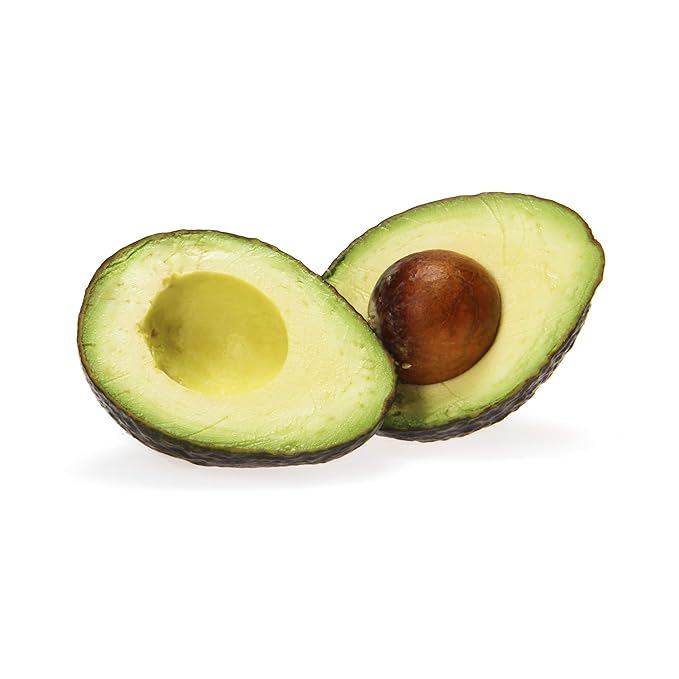
The brain needs fat to function. Healthy fats support the production of serotonin and dopamine, the neurotransmitters that influence mood and motivation. Avocado provides creaminess and potassium, while hemp seeds offer a complete protein profile that can help stabilize blood sugar—preventing the energy crashes that can worsen emotional volatility.
Berries for Antioxidants
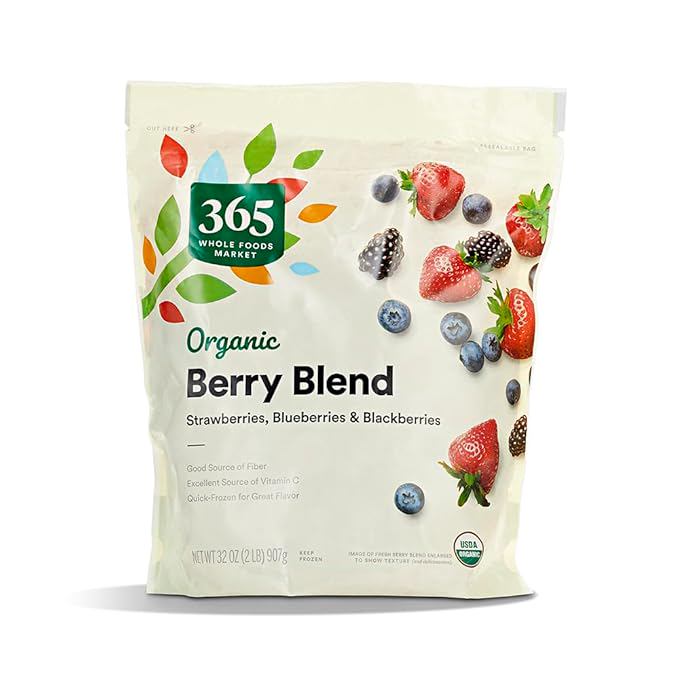
Blueberries or strawberries are packed with antioxidants. Trauma and chronic stress create oxidative stress in the brain, which can impair emotional regulation. Antioxidants help protect brain cells and reduce inflammation, which is often elevated in people dealing with unresolved trauma.
A Source of Tryptophan
Bananas or pumpkin seeds contain tryptophan, an amino acid the body converts into serotonin. Serotonin is the brain's primary mood-stabilizing neurotransmitter. Including this in the smoothie provides the raw materials your brain needs to produce a sense of calm and well-being.
A note on timing: This smoothie is best consumed in the morning or early afternoon. The nutrients support alertness and mood stability throughout the day, rather than interfering with sleep cycles.
How It Works in Practice
The combination of magnesium, healthy fats, antioxidants, and tryptophan works on multiple fronts. Magnesium helps the body and muscles relax. Healthy fats ensure the brain can effectively use the other nutrients. Antioxidants repair cellular damage. Tryptophan gives the brain the building blocks for serotonin.
This is not about instant emotional change. For many, the effects build over days and weeks of consistent use, providing a stable biochemical foundation that makes it easier to engage with therapy, process emotions, and respond rather than react.
Potential Considerations
While this smoothie is generally safe, anyone with specific medical conditions—such as kidney issues that require monitoring potassium or magnesium intake—should consult a healthcare provider. It is a food-based support, not a substitute for professional mental health care. The goal is to nourish the body so the mind has a better chance at healing.
Regulating emotions after a traumatic event is a complex process. A smoothie cannot replace therapy, medication, or community support. But as one small, daily act of self-care, it can help quiet the noise and give the nervous system the nutrients it needs to begin restoring balance.