
By late morning, many of us hit a wall. The fog rolls in. Caffeine is wearing off, and that steady focus you had at 9 AM has started to splinter. It's tempting to reach for something quick — a granola bar, a handful of pretzels, or another cup of coffee. But that quick fix often leads to an energy crash and a frayed mood by lunch.
What you eat in that window matters more than you think. The right mid-morning snack can help stabilize blood sugar, support neurotransmitter function, and keep your mind clear through the afternoon. The most effective choice? A combination built around protein, healthy fat, and fiber — and one of the simplest ways to get that balance is with a handful of walnuts and an apple.
Why Late Morning Is a Vulnerable Time
Your body has been working since breakfast. Hormones like cortisol follow a natural rhythm, peaking early and then tapering. By mid-morning, your blood sugar can start to dip, especially if your breakfast was carb-heavy or low in protein. That dip triggers the release of adrenaline and more cortisol — a stress response that can leave you feeling jittery, irritable, or mentally scattered.
Instead of fighting that biology, you can work with it. A snack that provides steady glucose release and key nutrients for brain function can smooth out those fluctuations.
What Makes Walnuts and an Apple So Effective
This pairing works on several levels at once. The apple delivers natural sugars packaged with fiber (especially pectin), which slows digestion and prevents the glucose spike-and-crash cycle. Fiber also feeds gut bacteria that produce short-chain fatty acids, which have a calming effect on the brain via the gut-brain axis.
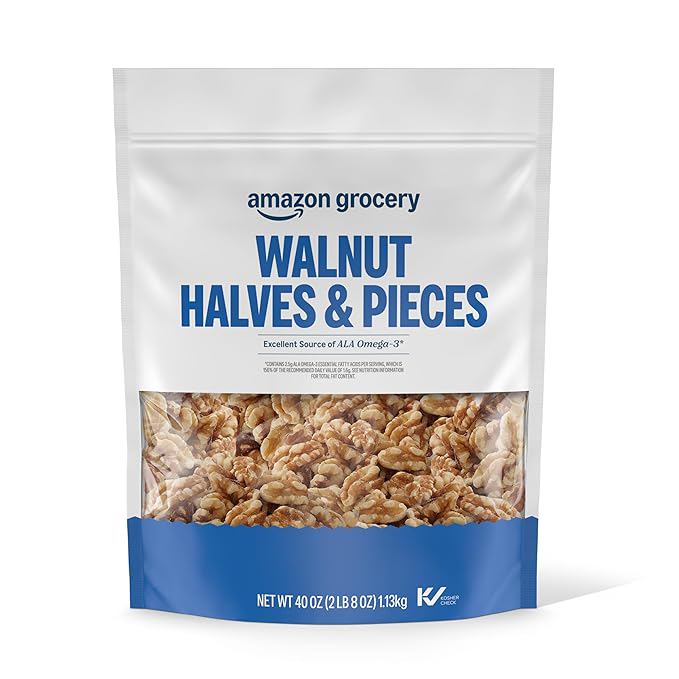
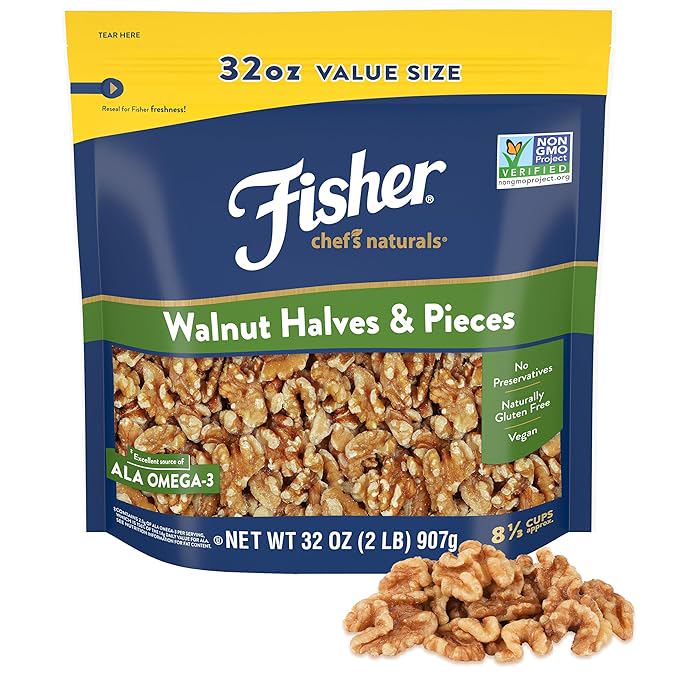
Walnuts are the standout, though. They’re one of the few plant foods rich in alpha-linolenic acid (ALA), a type of omega-3 essential for brain cell membrane health and communication between neurons. Omega-3s are directly linked to lower rates of mood disturbance and better focus.
Walnuts also contain:
- Magnesium — a mineral that helps regulate the stress response and supports GABA production, a neurotransmitter that promotes calm.
- Polyphenols — antioxidant compounds that reduce brain inflammation, which can fog thinking and drag down mood.
- Protein and healthy fat — these slow the digestion of the apple's sugars, extending steady energy for hours.
A single ounce of walnuts (about a quarter cup, or 14 halves) provides roughly 2.5 grams of ALA — meeting the daily adequate intake for men and exceeding it for women.
How the Gut-Brain Connection Plays In
You might not think about your gut when you're trying to focus, but it's deeply involved. Serotonin — the neurotransmitter most associated with mood stability — is primarily produced in the gut, not the brain. Walnuts have been shown in studies to shift the gut microbiome toward a composition that supports more butyrate production, a fatty acid that supports the intestinal lining and reduces systemic inflammation. A healthier gut lining means fewer inflammatory signals reaching the brain, and that translates to steadier mood and cognition.
The apple's fiber adds prebiotic fuel for those beneficial bacteria. Together, the two foods create a synergistic effect that goes beyond the sum of their individual nutrients.
Protein Without a Full Meal
If you're active or need more staying power, you can scale this snack up slightly without turning it into a meal. Adding a hard-boiled egg or a small piece of cheese provides choline and additional protein. Choline is a precursor to acetylcholine, a neurotransmitter involved in memory and sustained attention. That said, the basic walnut-and-apple combo already provides enough fat and fiber to keep most people steady through lunch.
What to Avoid in Your Mid-Morning Snack
Not all snacks are created equal, especially for focus and mood. Some common culprits can undermine your efforts:
- Refined carbs — crackers, rice cakes, or low-fiber cereals spike blood sugar fast, then drop it just as quickly.
- Sugary coffee drinks — the combination of caffeine and simple syrup creates a short burst of energy followed by a crash.
- Fruit juice or dried fruit alone — without protein or fat, the concentrated sugar hits your system fast.
- Highly processed protein bars — many contain added sugars, low-quality protein isolates, and emulsifiers that can disrupt gut health.
If you're sensitive to caffeine, be aware that even a small latte mid-morning can amplify anxiety and interfere with focus for some people. If you need a warm drink, consider switching to green tea, which contains L-theanine — an amino acid that promotes calm alertness without jitters.
Timing and Portion Tips
The ideal time for this snack is when you first notice your energy dipping, usually between 10 and 11 AM. If you wait until you're starving, you're more likely to grab whatever is fastest, which often isn't what your brain needs.
Stick to one medium apple and one ounce of walnuts. That's roughly 220 calories, which is enough to take the edge off without blunting your appetite for lunch. If you're eating it solely for focus (not to manage hunger), you could even reduce the portion to half an apple and a smaller handful of walnuts.
Other Snacks That Work Similarly
If you don't have walnuts or apples on hand, look for any snack that pairs a complex carbohydrate with protein and fat. Some alternatives:
- Almonds and a pear — almonds provide vitamin E and magnesium, with a similar fat-protein profile.
- Carrot sticks with hummus — the chickpeas offer complex carbs and protein; tahini in the hummus adds healthy fat.
- A small bowl of plain Greek yogurt with berries — yogurt provides casein protein that digests slowly, and berries add antioxidants and fiber.
The principle stays the same: real food with fiber, fat, and protein beats processed snacks every time for stable mood and mental performance.