
If your afternoons at work feel like a battle against brain fog, irritability, and a frantic search for snacks, your lunch might be the culprit. The connection between what you eat at midday and how you handle the rest of your workday is more direct than many realize. A carefully chosen lunch can stabilize your blood sugar, which in turn helps calm your stress response, making you more resilient to workplace pressure.
The goal is not a restrictive diet, but a strategic assembly of foods that provide steady energy. Think of your lunch as a tool for both physical and mental steadiness. The ideal plate builds a foundation of protein, healthy fats, and fiber-rich carbohydrates. This combination slows digestion, prevents sharp spikes and crashes in blood glucose, and supports a balanced nervous system.
Why Blood Sugar Swings Fuel Workplace Stress
When you eat a lunch high in refined carbohydrates—think white bread, sugary dressings, or a soda alongside a sandwich—your blood sugar rises quickly. Your body releases a surge of insulin to manage the influx. Soon after, your blood sugar can drop just as fast, often falling below baseline. This rapid crash triggers the release of stress hormones like cortisol and adrenaline, which are designed to mobilize energy in an emergency. In a quiet office, this internal emergency translates into feelings of anxiety, jitters, or sudden fatigue.
A steady blood sugar level helps keep the stress response in check. When your body isn't fighting a glucose rollercoaster, your mind has more resources to handle deadlines and difficult conversations.
Beyond mood, unstable blood sugar also impairs focus. Your brain relies on a steady supply of glucose to function optimally. Fluctuations can make it difficult to concentrate, leading to more mistakes and, subsequently, more stress as you try to catch up. This creates a loop where stress influences food choices, and those choices generate more stress.
The Lunch Formula for Steady Energy
Building a stress-resilient lunch does not require a complicated recipe. The simplest approach is to ensure every meal contains three key elements: protein, healthy fat, and fiber-rich carbohydrates. Together, they create a balanced plate that sustains energy for hours.
- Protein (20-30 grams): This is your anchor. Protein is the most satiating macronutrient. It slows digestion and provides amino acids that support neurotransmitter production. Options include grilled chicken, salmon, tofu, chickpeas, lentils, or a few boiled eggs. A study published in Nutrition Journal found that higher-protein lunches improved satiety and reduced cravings later in the day compared to lower-protein lunches.
- Healthy Fats (10-15 grams): Fats further slow the absorption of carbohydrates and support brain health. Avocado, olive oil, nuts, seeds, or a tablespoon of nut butter are easy additions.
- Fiber-Rich Carbohydrates (30-45 grams): These provide the slow-burning fuel your brain and muscles need. Choose whole food sources like quinoa, brown rice, sweet potatoes, beans, or large portions of non-starchy vegetables like leafy greens, broccoli, or bell peppers.
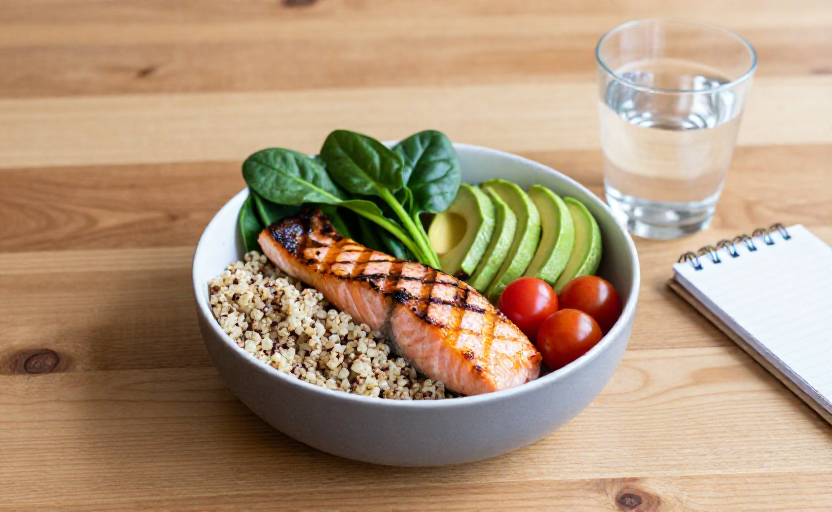
An example plate could be a bed of spinach topped with grilled salmon, a half cup of quinoa, sliced avocado, and a drizzle of lemon-tahini dressing. Another option is a lentil soup made with carrots and celery, served with a side of plain Greek yogurt and a handful of almonds.
Specific Foods That Support Calm
Beyond the macro-nutrient balance, certain foods contain compounds that directly support the nervous system and help manage cortisol levels.
Magnesium-Rich Foods
Magnesium is a mineral that plays a crucial role in the body's stress response. It helps regulate the HPA axis (the central stress response system) and can improve sleep quality, which is often disrupted by workplace stress. Foods high in magnesium include dark leafy greens (spinach, kale), pumpkin seeds, almonds, black beans, and avocados. Adding a handful of spinach to your lunch or sprinkling pumpkin seeds over a salad is a simple way to increase your intake.
Omega-3 Fatty Acids
Found abundantly in fatty fish like salmon, sardines, and mackerel, omega-3s are anti-inflammatory fats that can help blunt the production of stress hormones. Research suggests that people with higher omega-3 intake have lower levels of cortisol in response to stress. For a plant-based option, ground flaxseed, chia seeds, and walnuts are good sources of ALA, a type of omega-3, though the conversion to the more active EPA and DHA is limited.
Fermented Foods
The gut-brain axis is a bidirectional communication network linking your digestive health to your mood. Fermented foods like kimchi, sauerkraut, miso, and plain yogurt with live active cultures introduce beneficial bacteria to the gut. A healthy gut microbiome has been linked to lower levels of anxiety and better stress regulation. Including a small side of sauerkraut on a grain bowl or a spoonful of kimchi alongside lunch could support gut health and, in turn, mental calm.
Practical Tips for a Stress-Lowering Lunch at Work
You do not need to be a chef to implement these principles. The key is preparation and mindful choices, even when ordering takeout.
- Prep components, not meals: On Sunday, cook a batch of quinoa, roast sweet potatoes, and grill a few chicken breasts. Hard boil a half dozen eggs. During the week, you can quickly assemble a bowl or salad without thinking.
- When ordering lunch, look for bowl-based options: A grain bowl or salad bar is your best friend. Build it with a base of greens, add a protein (chicken, tofu, beans), include a healthy fat (avocado, nuts, seeds), and choose a vinaigrette over a creamy dressing to avoid extra sugar and unhealthy fats.
- Mind your timing: Try to eat lunch at roughly the same time each day to regulate your body's internal clock. Skipping lunch or waiting too long—when you are already hungry and stressed—often leads to less ideal, reactive food choices.
- Step away from your desk: Even a 10-minute break from your screen to eat mindfully can lower cortisol. Chew slowly, and notice the textures and flavors of your food. This simple act of presence can shift your nervous system out of a fight-or-flight mode.
Your lunch is more than a refueling stop; it is a daily opportunity to build resilience against stress. By choosing foods that stabilize your blood sugar, you are directly influencing your hormonal landscape, giving your brain the steady fuel it needs to stay calm and focused. Small shifts in your midday meal can ripple outward, transforming not just your energy levels but your entire experience of the workday.