
For many busy adults, lunch is a rushed affair — a sandwich wolfed down at a desk or a quick takeout bowl eaten between meetings. And often, accompanying that meal is a familiar beverage: a soda, a sweetened iced tea, or a sugary coffee drink. It feels like a harmless pick-me-up, a small reward in the middle of a demanding day. But emerging research suggests that this particular lunch drink habit may be quietly influencing something deeper than your energy levels: your self-esteem.
While the connection between diet and mood is well established, the specific link between midday sugary drinks and afternoon self-perception is less discussed. For the time-pressed professional, understanding this connection could be a key step toward better mental well-being.
How a Midday Sugar Rush Can Affect Your Mood
The science is quite straightforward. When you consume a drink high in refined sugar on an empty or semi-empty stomach, your blood glucose levels spike rapidly. Your body responds by releasing a surge of insulin to manage the glucose. For many people, this leads to a reactive hypoglycemia — a sharp drop in blood sugar that occurs an hour or two after the initial spike.
This blood sugar crash doesn't just leave you feeling physically tired or shaky. It can trigger a cascade of emotional and cognitive symptoms. The brain, which relies heavily on a steady supply of glucose, can interpret this fluctuation as a stressor. The result? Feelings of irritability, brain fog, anxiety, and a notable dip in confidence. In the context of a busy work day, this can translate into negative self-talk, second-guessing your decisions, and a general sense of not being good enough — classic hallmarks of a self-esteem slump.
The temporary energy lift from a sugary drink is often followed by a tangible drop in mood and clarity, which can directly impact how you feel about your performance and yourself.
Why Busy Adults Are Particularly Vulnerable
The connection between a lunch drink and self-esteem is amplified for busy adults due to several factors. High stress levels already tax the adrenal system and deplete essential nutrients. When you add a large dose of sugar into the mix, the body's stress response is intensified. Cortisol, the primary stress hormone, can interact with insulin in ways that worsen mood swings.
Furthermore, busy individuals often rely on convenience. A bottle of sweetened iced tea or a canned energy drink is easy to grab but provides little nutritional value. It lacks the protein, fiber, and healthy fats that would help stabilize blood sugar. It's the absence of a balanced meal combined with the sugar spike that creates the perfect storm for an afternoon self-esteem crash.
- Increased stress load: High cortisol levels amplify the negative effects of blood sugar swings.
- Lack of meal balance: Rushed lunches often lack the protein and fat needed to buffer sugar absorption.
- Dehydration factor: Caffeinated sugary drinks can be mildly dehydrating, which worsens fatigue and cognitive function.
The Hidden Culprits in Your Lunch Bag
It's easy to identify a can of regular soda as a sugary drink, but several seemingly healthier options can have the same effect. Being aware of these hidden sources is the first step to changing the habit.
- Flavored sparkling waters and seltzers: Many contain added sugars or artificial sweeteners that can still trigger an insulin response and subsequent blood sugar drop in some individuals.
- Bottled iced teas and lemonades: Often contain as much, if not more, sugar than soda. A single bottle can pack 30–50 grams of sugar.
- Specialty coffee drinks: A flavored latte or frappuccino from a coffee shop can contain 50+ grams of sugar, making it more of a dessert than a beverage.
- Sports drinks: Designed for endurance athletes, these are high in sugar and unnecessary for a typical desk-based workday.
Simple Swaps to Stabilize Mood and Self-Esteem
Changing your lunch drink doesn't require a complete overhaul of your diet. Small, consistent swaps can lead to more stable energy and a more balanced sense of self. The goal is to avoid the blood sugar rollercoaster.
Water first. The most straightforward change is to make water your primary lunchtime beverage. If plain water feels boring, infuse it with slices of lemon, cucumber, or a few mint leaves. Staying well-hydrated is foundational for mood regulation and cognitive clarity.
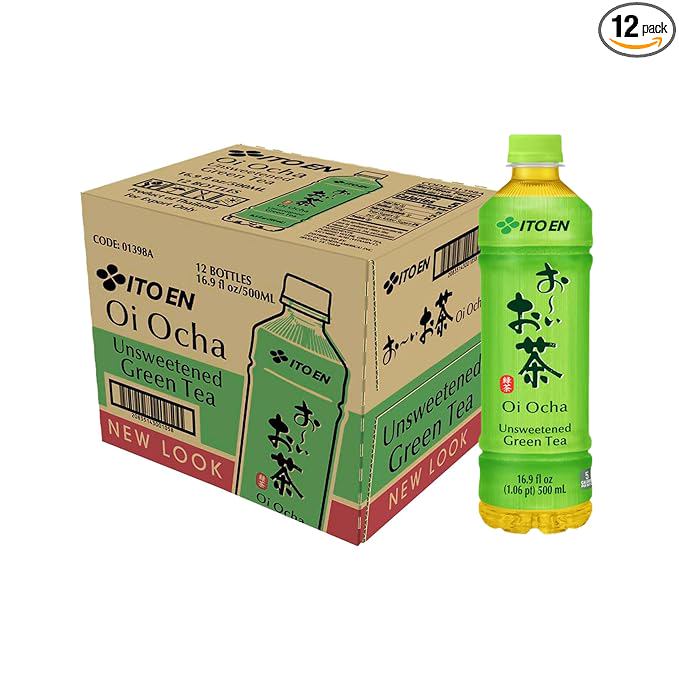
Embrace unsweetened tea. Unsweetened green, black, or herbal teas offer antioxidants and a gentle lift without the sugar crash. If you need sweetness, consider a small amount of stevia or monk fruit, but try to gradually reduce your sweetness threshold.
Choose protein-rich drinks. Unsweetened almond milk, a small protein shake (with minimal added sugar), or even a glass of plain milk can provide protein and fat, which help to slow digestion and stabilize blood sugar throughout the afternoon.
Mind the timing. If you do enjoy a sweet coffee or tea, try having it at the end of your meal rather than on an empty stomach. The food in your stomach will help buffer the sugar absorption.
Beyond the Drink: The Broader Context of Self-Esteem
It's important to remember that no single habit is the sole cause of low self-esteem. The lunch drink is a modifiable factor that can contribute to the daily ups and downs. True, stable self-esteem is built on a foundation of sleep, stress management, meaningful relationships, and a sense of purpose. However, recognizing that a simple dietary choice can influence your mood and self-perception is an empowering insight.
By making this one small, informed change, you are not just avoiding a sugar crash — you are actively choosing to support a more stable, confident version of yourself through the afternoon. It’s a practical form of self-care that speaks directly to the challenges of a busy life.