
When the day winds down and your mind refuses to follow suit, that familiar stress spiral can undo all your good sleep intentions. Racing thoughts, muscle tension, and a general sense of restlessness often push the body into a fight-or-flight state just when it most needs to relax. Dietitians point to one herbal tea that, thanks to a specific compound in its flowers, gently nudges the nervous system toward calm without the drowsiness of a pharmaceutical sleep aid.
Chamomile tea has long been touted as a bedtime staple, but newer research on its bioactive constituents — particularly apigenin — helps explain why it works. Here’s what experts want you to know about using chamomile to quiet stress triggers before bed.
What makes chamomile different from other herbal teas?
Chamomile contains apigenin, a flavonoid that binds to benzodiazepine receptors in the brain. This binding does not produce sedation in the way a medication might; instead, it encourages a mild, calming effect by reducing the activity of certain stress-related neural pathways. Other popular nighttime herbs, such as lavender and lemon balm, work through different mechanisms. Lavender influences the limbic system via smell, while lemon balm may increase GABA levels. Chamomile’s unique receptor activity makes it particularly effective for people whose stress manifests as physical tension or repetitive worry.
“For someone who lies down and immediately feels their shoulders tighten or their jaw clench, chamomile can help interrupt that cycle.” — Johns Hopkins integrative medicine review
How to prepare it for maximum benefit
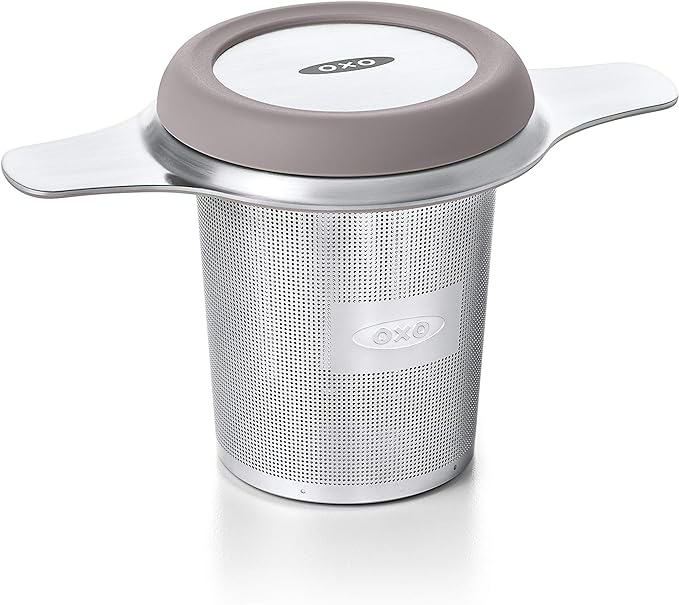
To get the most out of chamomile’s calming compounds, preparation matters. Steep one heaping teaspoon of dried chamomile flowers (or one tea bag) in freshly boiled water for at least five to seven minutes. A longer steep extracts more apigenin. Cover the cup while steeping to trap volatile oils that also contribute to relaxation. Drink it about 30 to 45 minutes before you plan to sleep. Dietitians caution against adding sugar or honey in large amounts, as a sugar spike can interfere with the transition to deep sleep. A small slice of lemon or a cinnamon stick adds flavor without disrupting the effect.
Who should be cautious?
Chamomile is generally safe for most adults, but it is not for everyone. People with allergies to plants in the Asteraceae family (ragweed, marigolds, daisies, chrysanthemums) may experience cross-reactivity. Those taking blood-thinning medications like warfarin should consult a healthcare provider because chamomile contains coumarin, which can have a mild anticoagulant effect. Pregnant women and individuals with hormone-sensitive conditions may also need to exercise caution, as chamomile has mild phytoestrogen activity. As always, check with a healthcare professional before adding any herb to your routine if you have an existing medical condition or take prescription medications.
Can chamomile replace other sleep hygiene habits?
No single tea can fix chronic sleep issues. Dietitians emphasize that chamomile works best as part of a broader wind-down ritual. Combining it with screen-free time, dim lighting, and consistent bedtime hours creates a stronger signal to the body that it is time to rest. If stress triggers remain severe or sleep problems persist for more than a few weeks, it may be worth addressing underlying causes with a therapist or sleep specialist.
What about chamomile supplements or extracts?
Standardized chamomile supplements exist, usually in capsule or tincture form, but they are not necessarily better than the tea. The ritual of preparing and sipping a warm beverage itself has a placebo-enhanced calming effect — the warmth, the pause, the familiar scent. Whole teas also deliver a range of antioxidants that work synergistically. If you do choose a supplement, look for a reputable brand that specifies the apigenin content and follow the label’s recommended dosage. Again, consult a professional before using concentrated extracts regularly.
The bottom line: A cup of properly steeped chamomile tea, enjoyed about half an hour before bed, offers a gentle, science-backed way to quiet stress triggers that interfere with sleep. It is not a cure for chronic insomnia, but for many people, it is a simple, low-risk tool to help the nervous system shift from alert to rest.