
For many of us, the idea of a nap feels like a guilty pleasure—a stolen moment of rest in a world that prizes constant productivity. But what if that afternoon slump isn’t a sign of laziness, but a biological cue? Sleep science suggests that a well-timed, intentional nap can be a powerful tool for cognitive refreshment, emotional regulation, and overall well-being. The key lies not in simply dozing off whenever fatigue hits, but in building a mindful, consistent routine that works with your body’s rhythms, not against them.
This isn’t about crashing for hours or using sleep as an escape. A healthy napping routine is a deliberate practice, much like establishing a good nighttime sleep schedule. It requires understanding the why, the when, and the how to transform a random snooze into a sustainable wellness habit.
Why nap? The science behind the rest
Napping isn’t just for toddlers. Research consistently shows that short naps can offer tangible benefits for adults. A brief period of sleep can enhance alertness, improve mood, boost creativity, and solidify memory. It acts as a system reset for your brain, clearing out mental clutter and improving reaction times and logical reasoning.
The goal of a healthy nap is restoration, not replacement. It should complement your nighttime sleep, not compensate for poor sleep habits.
Think of your alertness throughout the day as a wave. It naturally dips in the early afternoon, often between 1 p.m. and 3 p.m., due to your circadian rhythm. A short nap during this window can be the most effective, working with your biology to provide a lift just as your energy begins to wane.
Crafting your nap routine: Timing is everything
The single most important factor in a successful nap is its duration. This determines whether you wake up feeling refreshed or groggy.
- The Power Nap (10-20 minutes): Often considered the gold standard. This short span keeps you in the lighter stages of sleep (stages 1 and 2), making it easy to wake up. It boosts alertness and concentration without sleep inertia—that groggy, disoriented feeling that comes from waking from deep sleep.
- The Cognitive Boost Nap (30 minutes): Some studies show benefits at this length, but you risk dipping into deeper sleep. You may experience mild sleep inertia upon waking, which typically passes within 15-30 minutes.
- The Full Cycle Nap (90 minutes): This allows you to complete a full sleep cycle, including deep sleep and REM (dream) sleep. It can improve creativity, emotional memory, and procedural memory. The downside is the significant time commitment and the potential to disrupt your nighttime sleep if taken too late.
For most people building a daily routine, the 10-20 minute power nap is the most sustainable and reliable. Set a gentle alarm to avoid overshooting.
Finding your ideal nap window
The early to mid-afternoon is generally best. Try to nap before 3 p.m. Napping too late can interfere with your ability to fall asleep at night, similar to how a late-afternoon coffee might. Listen to your body’s signals, but also be consistent. Napping at roughly the same time each day helps regulate your internal clock.
Setting the scene for successful sleep
Your environment matters. You can’t expect to fall into a restorative sleep at your desk under bright lights.
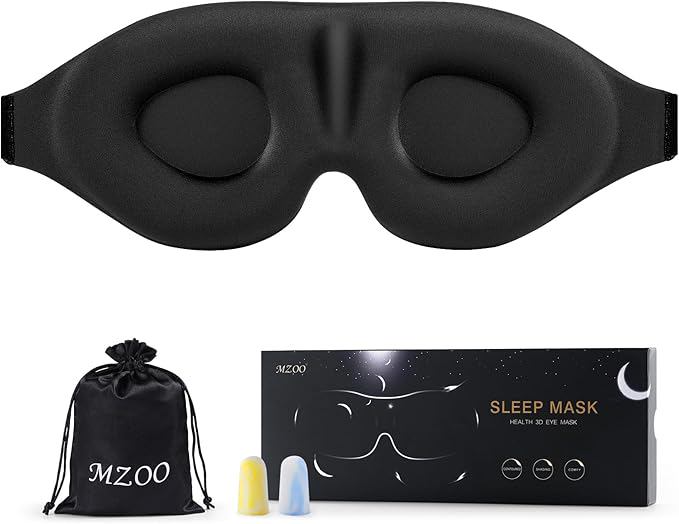
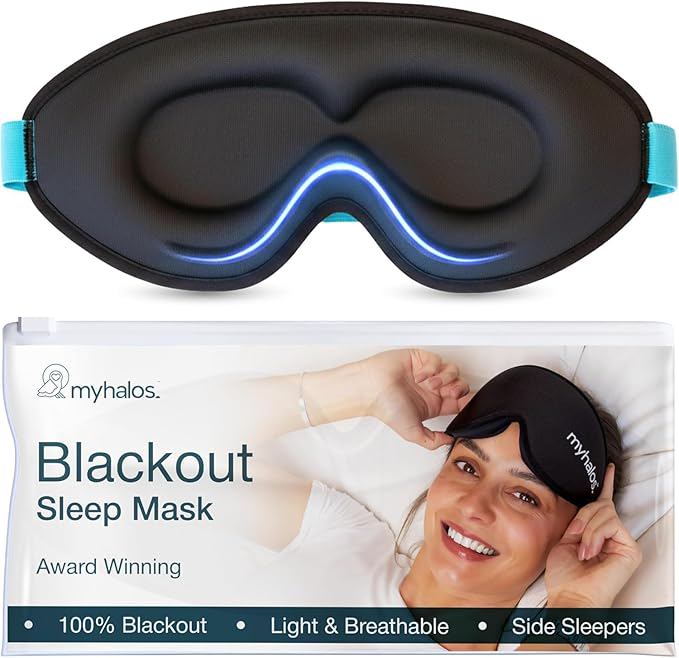
- Darken the space: Use blackout curtains or a comfortable sleep mask to signal to your brain that it’s time to wind down.
- Quiet your surroundings: Find a quiet room or use white noise, a fan, or earplugs to block disruptive sounds.
- Get comfortable, but not too comfortable: Lie down on a bed or couch if possible, or recline in a chair. The goal is to relax your muscles, but you don’t want to be so cozy you sleep for hours. A light blanket can help with the slight drop in body temperature that accompanies sleep.
- Temperature: A slightly cool room is ideal for sleep.
Who benefits most from a nap routine?
While many can benefit, napping is particularly useful for individuals who experience predictable afternoon fatigue, those with irregular or demanding schedules (like shift workers), people learning new skills or information, and anyone looking for a natural way to manage stress. However, if you struggle with insomnia, napping might make it harder to sleep at night. In that case, focusing on consolidating your nighttime sleep should be the priority.
Common pitfalls and how to avoid them
Even with good intentions, naps can sometimes backfire. Here’s how to navigate common challenges.
Sleep Inertia: That groggy, heavy feeling upon waking happens when you’re roused from deep sleep. Stick to shorter naps (10-20 minutes) to avoid it. If you do feel groggy, give yourself 15-20 minutes to fully wake up before engaging in complex tasks. Exposure to bright light and a splash of cool water can help.
Nighttime Sleep Disruption: This is the biggest concern for many. Keep naps early and short. If you find yourself lying awake at night, try moving your nap earlier or shortening it by five minutes.
The “Can’t Fall Asleep” Nap: If you lie there awake, don’t stress. The act of resting quietly with your eyes closed still offers some neurological benefits. Consider it a meditation session instead.
Making your routine stick
Building any new habit takes consistency. Schedule your nap time like an important meeting. Start with just 2-3 days a week and notice how you feel upon waking and for the rest of the afternoon. Keep a simple log of your nap time, duration, and how you felt afterward to identify what works best for you.
Remember, a healthy napping routine is a personal experiment. It’s about finding what leaves you feeling refreshed, recharged, and ready to engage with the rest of your day—not sluggish or guilty. By respecting your body’s need for periodic rest, you’re not giving in to fatigue; you’re strategically renewing your energy and focus.