Even the strongest relationships hit rough patches. Sometimes the friction comes from big issues, but more often it’s the small triggers—a tired tone, a misunderstood comment, the stress of the day spilling into the evening—that ignite arguments. When cortisol runs high and patience runs low, a simple, calming ritual can change the trajectory of a conversation. One of the most accessible tools? A carefully chosen evening tea.
This isn’t about a magical brew that solves disagreements. Rather, certain herbal teas are known for their ability to soothe the nervous system, quiet the mind, and reduce the physical tension that makes us reactive. By lowering the body’s stress response, you create a window of calm where patience, empathy, and clear communication can actually happen. Let’s explore how an evening tea can support emotional regulation and help you and your partner navigate common triggers before they escalate.
Why a warm cup matters for emotional regulation
The ritual of making and sipping tea is itself a grounding act. It signals to your brain that it’s time to slow down. The warmth of the cup, the gentle steam, the few minutes of stillness—all of these cue the parasympathetic nervous system, which is responsible for rest and digest mode. When you’re already on edge, this simple pause can be enough to interrupt a cycle of reactivity.
From a biochemical perspective, some herbs directly influence neurotransmitters and hormones that affect mood. For example, compounds in certain plants can promote the production of GABA, a neurotransmitter that calms neural activity, or help lower cortisol, the primary stress hormone. Lower cortisol means less fight-or-flight activation, which means you’re less likely to snap over something small like a dish left in the sink or a forgotten plan.
A few minutes of shared stillness over tea can reset the emotional temperature of an entire evening.
Herbal teas that support calm communication
Not all teas are created equal when it comes to relaxation. Black or green teas contain caffeine, which can amplify anxiety in some individuals—hardly ideal for winding down. True herbal teas, also called tisanes, are naturally caffeine-free and have specific traditional uses for stress and tension.
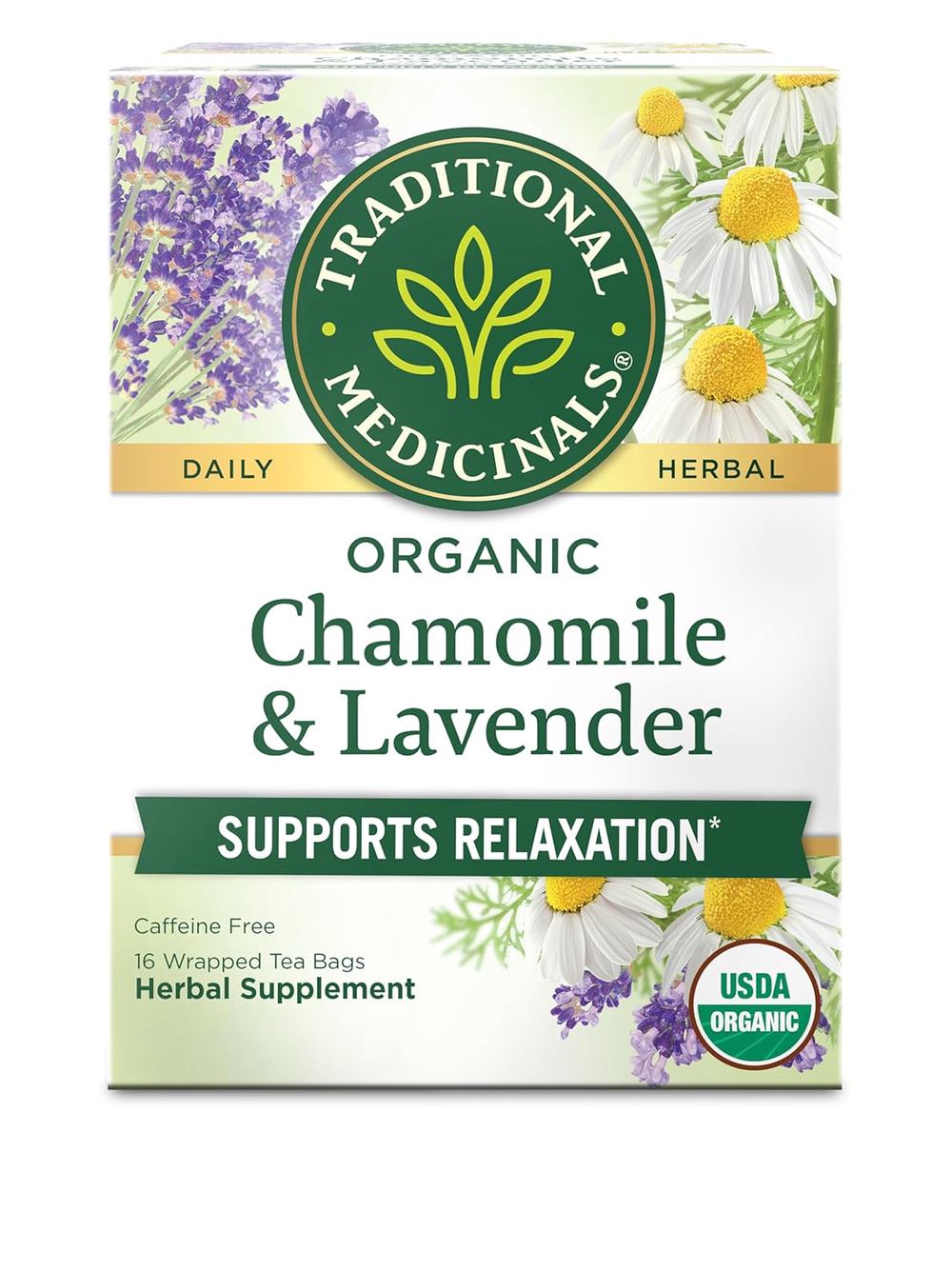
- Chamomile: The most well-known calming herb. Chamomile contains apigenin, an antioxidant that binds to benzodiazepine receptors in the brain, producing a mild sedative effect. It’s ideal for general nervous tension and can help you feel more settled before a difficult conversation.
- Lavender: Often used in aromatherapy, lavender also works internally. Studies suggest it can reduce anxiety and improve mood. Its floral, slightly sweet flavor pairs well with chamomile or lemon balm.
- Lemon balm: A member of the mint family, lemon balm has a gentle lemony flavor and a reputation for lifting the spirits while calming the nerves. It may help with restlessness and irritability—two emotions that often fuel arguments.
- Passionflower: This herb has been used traditionally to ease anxiety and promote sleep. It works by increasing GABA levels in the brain, which can help quiet a racing mind and reduce the tendency to overreact.
Blending teas for your needs
You don’t have to choose just one. Many high-quality evening blends combine two or three of these herbs, often with a touch of something mildly sweet like licorice root or stevia. Experimenting with blends allows you to find a flavor and effect that resonates with you and your partner.
Creating a tea ritual that supports connection
The tea is the anchor, but the ritual is where the real relationship work happens. The goal is to create a shared, non-negotiable pause before the time of day when arguments most often occur—typically the transition from work to home, or just before dinner.
- Set a consistent time. Aim for a specific time each evening, such as 30 minutes before dinner or 15 minutes after the kids are in bed. Consistency builds a cue for your nervous system to shift gears.
- Brew together. Making tea together is a collaborative act. It encourages presence and teamwork. One person can boil the water while the other selects the tea; you can take turns pouring.
- Sit without screens. This is crucial. The tea ritual loses its power if you’re scrolling your phone or watching TV. Sit facing each other or side by side, and simply be together. Silence is fine. The point is shared presence, not forced conversation.
- Use the time to reset, not to problem-solve. This moment is for decompression, not for rehashing the day’s conflicts. If a topic arises, agree to table it until you’ve both had time to settle. Use the tea time to reconnect on a nonverbal level.
Tea time is not debate time. It is the pause that prevents the explosion.
How tea reduces common relationship triggers
Relationship arguments often stem from predictable triggers: fatigue, hunger, feeling unheard, or carrying resentments from earlier stress. An evening tea ritual addresses several of these directly.
Fatigue and low blood sugar are major contributors to irritability. The act of stopping for a warm drink can help stabilize blood sugar if you add a small, healthy snack like a few almonds or a piece of fruit. It also forces a literal break from the busyness of the day, countering the exhaustion that makes us short-tempered.
Feeling unheard is another common trigger. While tea cannot solve communication breakdowns on its own, the practice of sitting together without distraction creates an opportunity for active listening. When you know you have this regular space to be heard, the urgency to force the conversation at a heated moment diminishes.
Resentments from earlier stress often bubble up during quiet moments. If you’ve had a tough day at work, your nervous system may still be on high alert when you walk through the door. The calming herbs in an evening tea can help bring those stress levels down before they spill over onto your partner.
When to reach for tea instead of words
Sometimes the wisest thing you can do in a tense moment is to pause. If you feel the familiar heat of frustration rising, say: “I need a few minutes. Let me make us some tea.” This phrase is a de-escalation tool. It buys time, shows care, and offers a tangible way to shift the mood. When you return with two warm mugs, the dynamic has often already softened.
A practical first step
Start small. Choose one herbal tea that appeals to both of you—chamomile is a classic starting point. Commit to brewing a cup together three evenings this week. Notice how you feel during and after. Do you speak more gently? Do you laugh more easily? The changes may be subtle, but over time, this simple practice can become a keystone habit that supports healthier interaction patterns.
Evening tea is not a replacement for professional relationship counseling or communication skills. But it is a gentle, effective way to address the physiological and emotional states that make arguments more likely. By calming common triggers like stress, fatigue, and reactivity, a quiet cup of herbal tea can help you and your partner meet each other with more grace—one sip at a time.