What you eat doesn't just fuel your body; it can also shape your state of mind. While a single meal won't cure clinical depression, a consistent dietary pattern can play a significant supporting role in your mental well-being. The connection between diet and depression is a two-way street: what we eat can influence brain chemistry and inflammation, while our mood can powerfully drive our food choices, often toward less nourishing options. Understanding this link gives you a tangible, everyday tool to support your mental landscape.
This isn't about restrictive dieting or miracle cures. It's about recognizing how certain foods can either build up or wear down the biological foundations of a stable mood. By gently shifting what's on your plate, you're creating an internal environment more conducive to resilience.
How does food actually affect your mood?
Think of your brain as the most demanding organ in your body. It requires a constant, high-quality supply of nutrients to produce neurotransmitters—the chemical messengers like serotonin and dopamine that regulate mood, sleep, and motivation. When your diet lacks these essential building blocks, your brain's ability to manage these signals can be impaired.
Another key player is chronic, low-grade inflammation. Research suggests that inflammation in the body can directly affect the brain, contributing to depressive symptoms. Many of the foods we commonly eat can either fan these inflammatory flames or help douse them.
The goal isn't perfection. It's a gradual shift toward more foods that nourish your brain and fewer that may subtly undermine it.
Four types of foods to prioritize
Focusing on adding these nutrient-dense foods can be a more positive and sustainable approach than fixating solely on restriction.
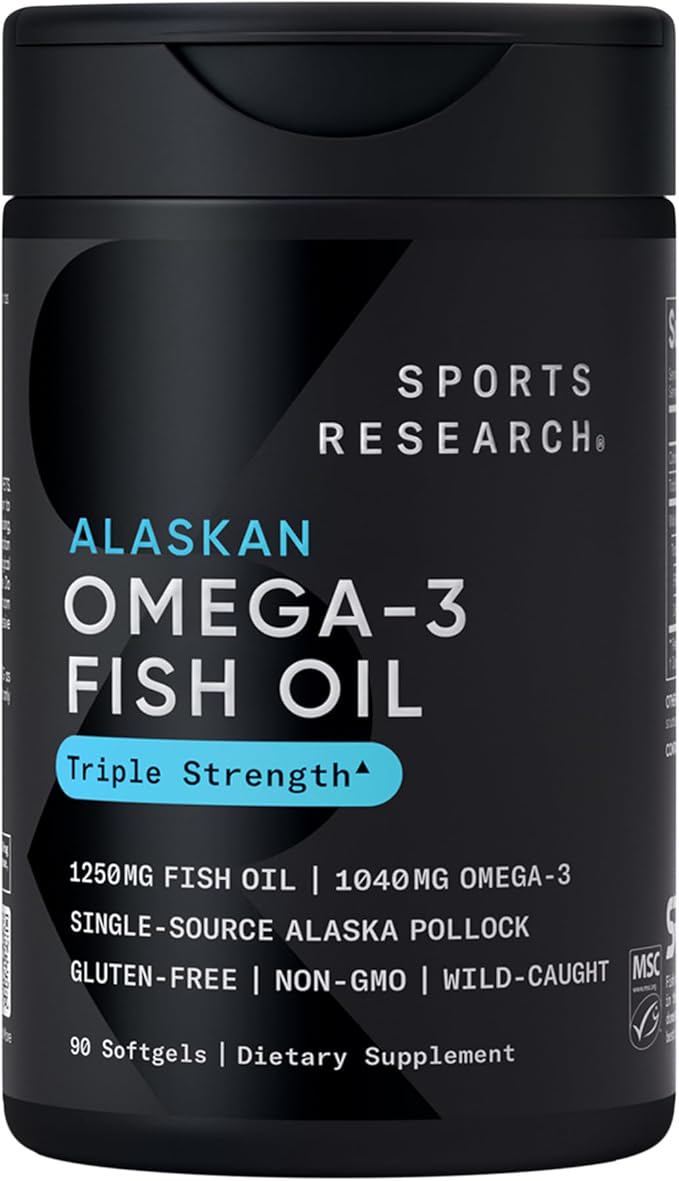
Omega-3 rich foods
Omega-3 fatty acids, particularly EPA and DHA, are crucial components of brain cell membranes and have potent anti-inflammatory effects. They're like high-quality building materials and maintenance crew for your brain.
You can find them in:
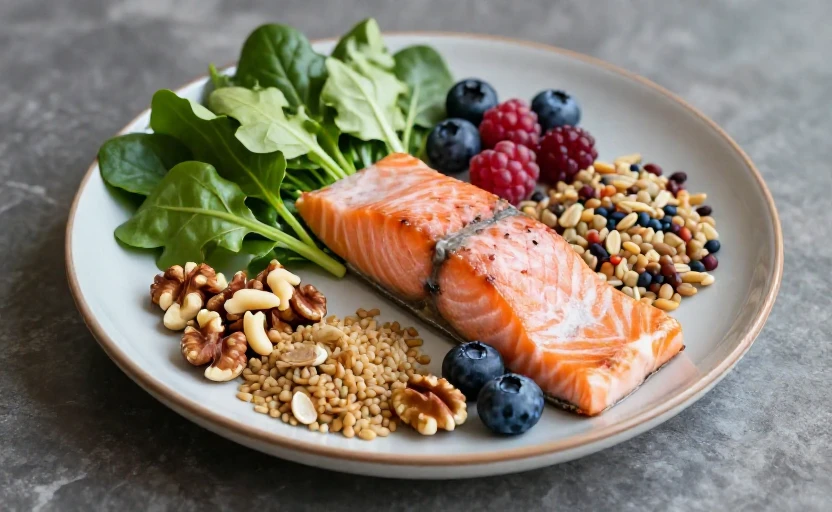
- Fatty fish like salmon, mackerel, sardines, and trout.
- For plant-based sources, consider flaxseeds, chia seeds, and walnuts, which contain ALA (a type of omega-3 your body can partially convert).
Colorful fruits and vegetables
The vibrant colors in produce are often signs of antioxidants and polyphenols. These compounds combat oxidative stress, which can damage brain cells and contribute to inflammation. A diverse, colorful plate means a wider array of these protective substances.
Aim for a rainbow, but pay special attention to leafy greens (like spinach and kale), berries (blueberries, strawberries), and bright peppers.
Whole grains and fiber-rich foods
Steady energy is key for mood stability. Refined carbohydrates and sugars can cause blood sugar spikes and crashes, which often mirror or exacerbate mood swings. Whole grains, oats, legumes, and vegetables with fiber provide a slower, more sustained release of glucose—your brain's primary fuel source.
This steady supply helps avoid the irritability and fatigue that can follow a sugar crash.
Fermented and probiotic-rich foods
The gut-brain axis is a fascinating area of research. The trillions of bacteria in your gut produce a significant amount of your body's serotonin and communicate directly with your brain via the vagus nerve. Supporting a healthy gut microbiome may positively influence mood.
Incorporate foods like yogurt, kefir, sauerkraut, kimchi, and kombucha.
Three types of foods to be mindful of
It's not about declaring these foods "off-limits," but about understanding their potential impact so you can make informed choices, especially when you're feeling vulnerable.
Highly processed foods and refined sugars
Ultra-processed snacks, sugary drinks, and packaged baked goods are often high in refined carbs, unhealthy fats, and additives while being low in nutrients. They can promote inflammation, disrupt blood sugar regulation, and may even alter gut bacteria in unfavorable ways. The temporary mood lift from sugar is almost always followed by a sharper drop.
Industrial seed oils and trans fats
Oils high in omega-6 fatty acids (like some vegetable, corn, and soybean oils) are prevalent in fried foods and processed snacks. While we need some omega-6s, the modern diet is often heavily skewed toward them and away from anti-inflammatory omega-3s. This imbalance can promote systemic inflammation. Trans fats, though now less common, are particularly harmful for heart and brain health.
Excessive caffeine and alcohol
Both substances can interfere with mood and sleep in subtle ways. Caffeine, especially later in the day, can exacerbate anxiety and disrupt the deep, restorative sleep that is critical for emotional regulation. Alcohol is a depressant that can temporarily numb feelings but often worsens them in the long run, disrupts sleep architecture, and can deplete B-vitamins involved in neurotransmitter production.
Mindful limitation is more sustainable than strict elimination. Notice how these foods make you feel, not just in the moment, but hours or a day later.
Building a mood-supportive plate
You don't need to overhaul everything at once. Start with small, manageable swaps. Could you add a handful of spinach to your morning eggs? Swap a sugary afternoon snack for a handful of nuts and berries? Choose whole-grain bread instead of white? Each positive choice is a step toward building a dietary pattern that supports your mental well-being from the inside out.
Remember, diet is one piece of a larger puzzle that includes sleep, movement, social connection, and professional support when needed. If you're struggling with depression, this nutritional approach is meant to complement, not replace, other forms of care. Nourishing your body with intention is a profound act of self-care, signaling to yourself that your well-being matters.