
That knot in your stomach before a big presentation isn't just in your head—it's a physical response. Your body is flooding with cortisol and adrenaline, your digestion is slowing down, and the last thing you want to do is eat. But skipping breakfast can actually make the jitters worse, leaving you lightheaded and shaky instead of steady and sharp.
Experts who study the gut-brain connection say the right morning meal can do more than just fuel you. It can actively temper that nervous energy by stabilizing blood sugar and supporting your nervous system. Here is the breakfast strategy that speakers, performers, and anxiety specialists recommend for calming pre-talk jitters.
Why Your Brain Needs Protein First Thing
The core of a jitter-calming breakfast is protein—and not just a little. When you are anxious, your body burns through glucose faster, which can lead to a crash mid-presentation. Protein slows down the digestion of carbohydrates, providing a steady drip of energy rather than a spike-and-crash.
More importantly, protein contains the amino acid L-theanine, most famously found in green tea but also present in eggs, poultry, and certain dairy products. L-theanine promotes alpha brain waves, which are associated with a relaxed but alert state—exactly what you want before stepping into the spotlight. Research suggests it can reduce the physiological signs of stress without causing drowsiness.
The goal is to feel steady, not sedated. A high-protein breakfast keeps your mind sharp while your body stays calm.
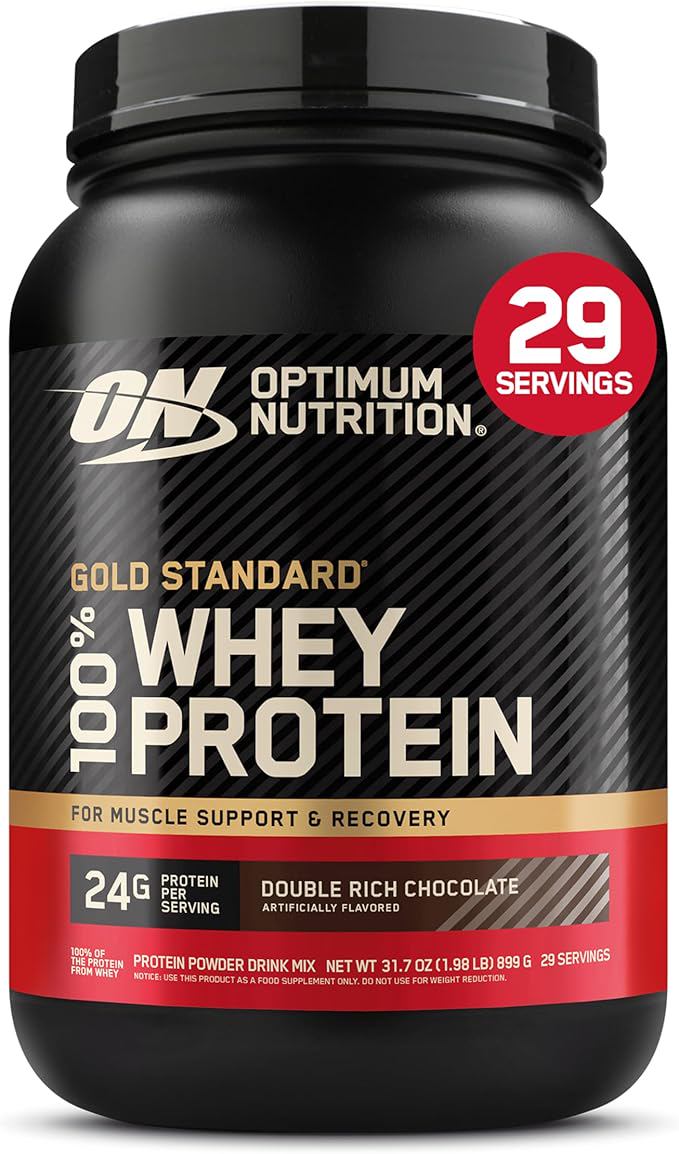
For most people, that means starting with at least 20–25 grams of protein. A three-egg omelet, a cup of Greek yogurt, or a smoothie with a scoop of quality protein powder can hit that mark without requiring a full sit-down meal.
The Stabilizer: Healthy Fats for Slow Burning Energy
While protein gets the spotlight, fat is the silent partner. Healthy fats from sources like avocado, nuts, seeds, or olive oil slow digestion even further, extending the stable-energy window for hours. That is vital if your talk is in the late morning or after a long commute.
Fat also supports the absorption of fat-soluble vitamins and provides building blocks for neurotransmitters that regulate mood. A handful of almonds or a few slices of avocado on whole-grain toast adds fat without greasiness.
Why You Should Limit Carbs (But Not Avoid Them)
Carbohydrates are not the enemy here—they are actually helpful in moderation, because they help tryptophan (an amino acid) cross the blood-brain barrier to produce serotonin, the calming neurotransmitter. But a carb-heavy breakfast—a bagel, a bowl of sugary cereal, or just fruit—can send your blood sugar on a roller coaster. That roller coaster mimics anxiety symptoms: rapid heartbeat, sweating, and shakiness.
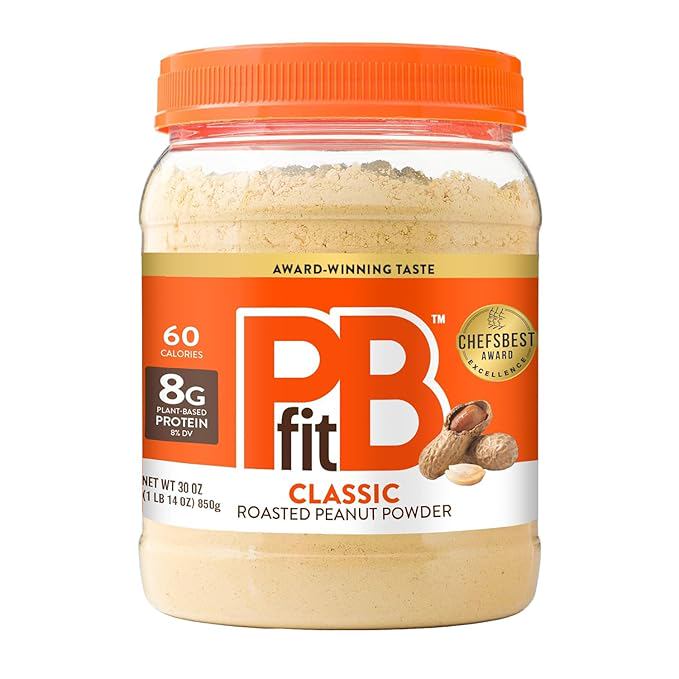
The trick is to pair carbs with protein and fat. Instead of plain oatmeal, make it with milk or protein powder and top it with nuts. Instead of toast and jam, use whole-grain bread with almond butter and a sliced banana. The fiber in whole grains also helps slow digestion.
What to Drink (and What to Skip)
Hydration matters as much as food. Even mild dehydration can raise cortisol levels and worsen nervousness. Start with a full glass of water before your coffee.
Speaking of coffee: it is a common pre-talk crutch, but caffeine is a double-edged sword. It can sharpen focus, but it also activates the same fight-or-flight system that is already on high alert. If you are prone to jitters, consider a smaller cup, a half-caff, or switching to green tea, which has less caffeine plus the calming L-theanine. Avoid sugary energy drinks and sodas entirely—they will spike your blood sugar and crash it before you reach the podium.
A Sample Plate: The Jitter-Justling Breakfast
Here is what a meal built for pre-talk calm looks like in practice:
- Protein base: Two eggs scrambled or a ¾-cup serving of plain Greek yogurt
- Healthy fat: ¼ avocado or a tablespoon of nut butter
- Slow carb: One slice of whole-grain toast or ½ cup of cooked quinoa/oatmeal
- Optional add-in: A cup of green tea or herbal mint tea
If eating a full meal feels impossible due to nerves, try a smoothie with these same components in liquid form. Blend spinach (for magnesium, which helps muscle relaxation), a scoop of protein powder, half a banana, and unsweetened almond milk. It is quick, portable, and unlikely to upset a nervous stomach.
Timing Matters: When to Eat Before You Speak
Eating too close to your talk can leave you with digestive discomfort, while eating too early may leave you hungry mid-presentation. The sweet spot is about 90 minutes to 2 hours before you speak. That gives your body enough time to settle the food into digestion without diverting blood flow away from your brain.
If you wake up feeling too nauseous to eat, start with a small snack—a hard-boiled egg, a handful of almonds, or a protein shake—and then eat a more complete breakfast afterward.
The Bottom Line for Presenters
There is no magic food that eliminates nerves entirely, but the right breakfast can take the edge off. Protein, healthy fat, and slow carbs create a biochemical environment that supports calm focus. Combine that with good sleep, practice, and deep breathing, and you are giving your body its best chance to feel collected on stage.