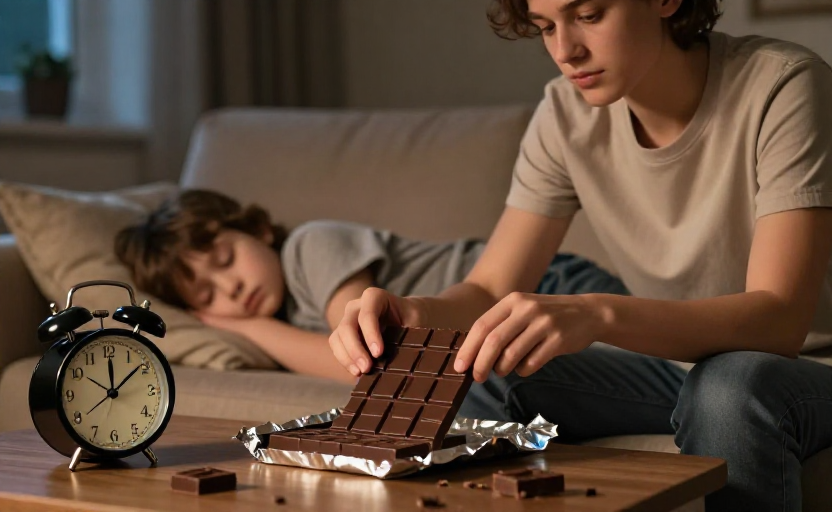
You’ve finally got the kids down after baths, stories, and the third request for water. The house is quiet. You sink onto the couch, and before you know it, your hand is reaching for a square of dark chocolate, a handful of pretzels, or maybe a glass of wine. It feels deserved—a small reward for surviving the dinner-to-bedtime gauntlet.
But here’s what many parents don’t realize: that seemingly innocent pre-sleep snack might be the very thing that greases the wheels for a rough morning. If you’ve been waking up with a tight chest, a racing mind, or a short fuse before the sun is even up, your evening kitchen habits deserve a closer look.
The Nighttime Chemistry That Messes With Your Morning Calm
Your body operates on a delicate hormonal dance during sleep. The goal is to enter deep, restorative stages where stress hormones like cortisol naturally drop and the nervous system repairs itself. When you eat certain foods too close to bedtime, you throw a wrench into that process.
Digestion requires energy and blood flow. A snack that is high in sugar, refined carbohydrates, or even certain amino acids can keep your system revved when it should be winding down. Instead of gliding into a restful sleep, you spend the night in a lighter, more fragmented state. The result? You wake up with a cortisol spike that feels less like a natural alarm and more like a panic button—especially when the toddler is already screaming for breakfast.
What Happens When Sleep Quality Drops
One or two nights of poor sleep might feel manageable. But a pattern of disrupted sleep—even if you don’t recall waking up—cumulatively raises your baseline anxiety. For a parent already managing the mental load of school forms, sibling fights, and meal prep, that extra edge can turn a normal morning into a meltdown. The snack you eat at 9 p.m. is directly linked to the patience you have at 7 a.m.
Three Culprits Hiding in Your Evening Stash
Not all snacks are equal when it comes to sleep and next-day mood. Some are particularly sneaky because they feel healthy or harmless.
- Dark chocolate. It’s rich in antioxidants, yes. But it’s also a source of theobromine, a stimulant similar to caffeine. A few ounces of high-cacao chocolate can contain as much theobromine as a small cup of coffee. For sensitive individuals—and many parents are running on fumes already—that evening square can delay sleep onset and reduce deep sleep quality.
- Candy, pastries, and sugary cereal. A quick sugar spike crashes your blood sugar in the middle of the night. Your body responds by releasing adrenaline and cortisol to stabilize you. You wake up groggy, shaky, and irritable—primed for a parenting fail before breakfast even happens.
- Cheese and processed meats. Aged cheeses and cured meats contain tyramine, an amino acid that can stimulate the brain and trigger wakefulness. A late-night cheese plate or pepperoni stick might interfere with your ability to stay asleep, leading to a choppy, non-restorative night.
What to Reach For Instead
If you want a snack after the kids are asleep, choose something that supports sleep chemistry rather than fights it. The ideal bedtime snack is small, easy to digest, and rich in nutrients that promote calm.
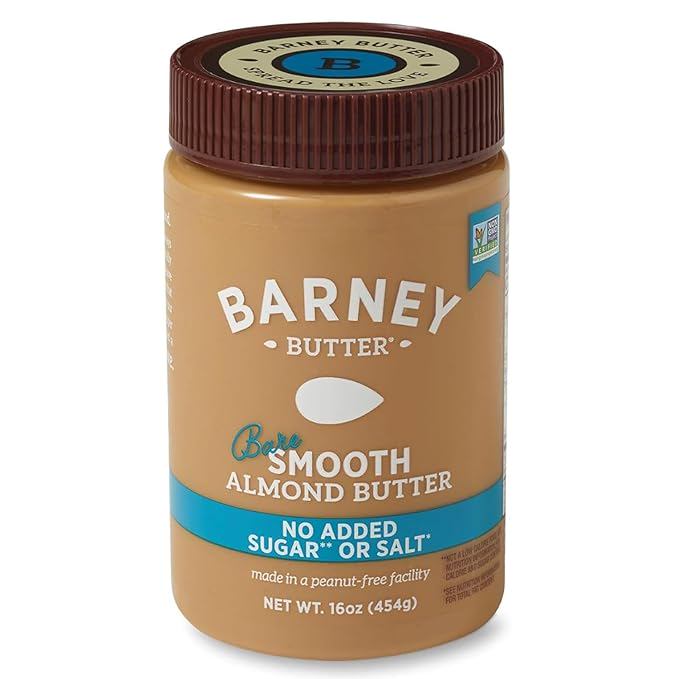
- A small banana with a spoonful of almond butter. Bananas provide magnesium and potassium, which relax muscles. Almond butter offers healthy fat and tryptophan, a precursor to melatonin.
- Sliced turkey on a whole-grain cracker. Turkey is naturally high in tryptophan, and the small amount of carbohydrate from the cracker helps move that tryptophan into the brain more effectively.
- A handful of tart cherries. Montmorency cherries are one of the few natural food sources of melatonin. Frozen or fresh, they’re a simple, sweet finish to the day.
Keep the serving size small—think of it as a bedtime greeting, not a second dinner. Eating more than about 150 calories close to bed can shift focus to digestion rather than rest.
It’s Not Just the Food—It’s the Ritual
There’s a psychological side to this too. If your evening snack is part of a mindless scroll while you decompress from the day, the combination of blue light, mental stimulation, and a sugar hit can over-ride any relaxation you might have gotten. Instead, consider moving the snack earlier—while you read a book or talk to your partner—and leaving the ten minutes before bed for a wind-down that doesn’t involve eating.
If you’ve been blaming your morning anxiety on the kids, the sleep schedule, or just your personality, this might be a gentle shift to test. Swap that evening chocolate for a banana and see if the alarm clock feels less like a threat. It’s a small change, but for many parents, it makes a surprisingly big difference in how the day starts.