
For the millions who work nights, evenings, or rotating shifts, sleep isn't a simple matter of turning off the light. The body's internal clock, tuned to the sun, fights against the schedule. In this delicate dance, what you do in the hours before bed becomes critical. Yet, many well-intentioned routines contain hidden mistakes that can deepen the struggle, turning rest into a battle.
These errors aren't about laziness or lack of effort. They're often logical adaptations that backfire, or pieces of standard sleep advice that crumble under the weight of a flipped schedule. Recognizing them is the first step toward crafting a pre-sleep ritual that actually works for you, not against you.
Mistake 1: Trying to Force Sleep Immediately After Your Shift
Walking in the door at 7 a.m. and heading straight to bed seems efficient. Your body, however, is likely still buzzing from the activity of your shift, the commute, and the cortisol that helps keep you alert during work hours. Climbing into bed while your mind is still in 'on' mode sets the stage for frustration.
Instead, build a buffer zone—a wind-down period of 60 to 90 minutes. This isn't about being productive. It's a signal to your nervous system that the workday is over and safety is here. Dim the lights in your home. Change out of your work clothes. Engage in something calm and low-stimulation: listen to a podcast, read a physical book, or do some gentle stretching.
Your bed should be a sanctuary for sleep, not a continuation of your wakeful world.
Mistake 2: Using Bright Light to Stay Awake, Then Expecting Instant Darkness
Light is the most powerful regulator of your circadian rhythm. To stay alert for a night shift, you likely use bright light—whether from overhead fluorescents, screens, or a well-lit environment. The problem arises when you go from that high-light exposure directly into a dark bedroom. The abrupt switch can confuse your brain's signal processing.
A more gentle approach involves managing light in stages. In the last hour of your shift, if possible, reduce screen brightness. On your commute home in the morning, wear blue-light blocking glasses or sunglasses to start dampening the signal. Once home, keep lights warm and dim. This graduated descent into darkness helps ease the transition toward sleep.
Mistake 3: The “Sleep When You Can” Mentality Leading to Erratic Schedules
Consistency is the unsung hero of shift work sleep. While your work hours may change, your body craves predictability. A common mistake is treating days off as a complete free-for-all, sleeping at wildly different times because you 'can.' This constantly resets your internal clock, making it nearly impossible to establish a stable rhythm.
Even on your days off, try to keep your core sleep period within a 2-3 hour window of your workday sleep time. If you sleep from 9 a.m. to 5 p.m. on workdays, aim to sleep between 8 a.m. and 2 p.m. on a day off, for example. This compromise allows for some social life while protecting the hard-won rhythm your body is trying to learn.
Mistake 4: Relying Heavily on Stimulants and Sedatives
It's a classic cycle: caffeine to power through the shift, then perhaps a nightcap or sleep aid to force the body to shut down. This chemical ping-pong stresses your nervous system and can lead to fragmented, poor-quality sleep that doesn't restore you.
Be strategic with caffeine. Set a personal cutoff time—for a morning sleeper, that might mean no caffeine after 3 a.m. For sleep aids, view them as a short-term tool for extreme situations, not a nightly crutch. The goal is to support your body's natural sleep drive, not to chemically override it every day.
Building a Better, Shift-Work-Friendly Routine
Fixing these mistakes isn't about adding more tasks to your day; it's about refining the transitions. A supportive pre-sleep routine is less about a rigid checklist and more about creating the right conditions.
Think of it in three phases: the commute transition (using light management), the home buffer zone (quiet, dim, relaxing activity), and the bedroom sanctuary (cool, dark, and used only for sleep). Your wind-down should feel like a gradual dimmer switch, not an abrupt power-off.
What Your Environment Should Say
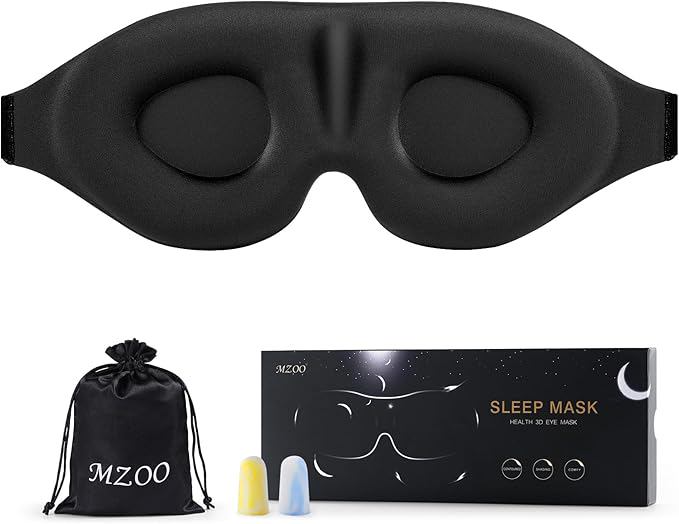
Since you're often sleeping during daylight, your bedroom environment is non-negotiable. Invest in blackout curtains or a quality sleep mask to create true darkness. White noise or a fan can help mask daytime sounds like traffic or lawnmowers. A cool room temperature, around 65-68°F (18-20°C), supports the natural drop in core body temperature that initiates sleep.
Finally, grant yourself grace. Perfect sleep every day is not the goal for a shift worker. The goal is more consistent, restorative sleep over time. Some days will be better than others. By removing the common routine mistakes that actively work against you, you give your body a fighting chance to find the rest it needs.