
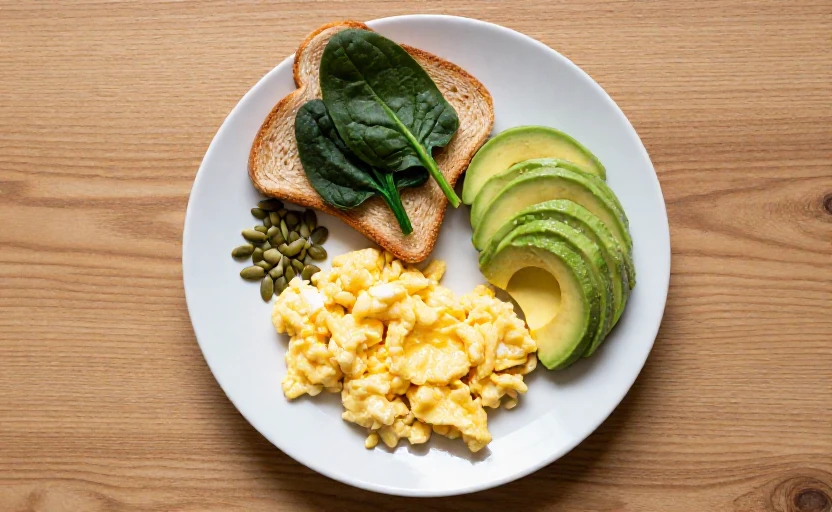
Starting your day with a sense of calm isn't just about a quiet morning routine; it can begin with the food on your plate. What you eat for breakfast sets the tone for your body's stress response, influencing everything from your mood to your energy levels for hours to come. By choosing foods that support stable blood sugar and nourish your nervous system, you can create a foundation of resilience against daily stressors.
An anxiety-reducing breakfast focuses on balance. It combines nutrients that promote the production of calming neurotransmitters, prevent energy crashes that can heighten feelings of stress, and support gut health, which is intricately linked to mental well-being. The goal isn't a magic cure, but a gentle, consistent way to support your body's natural ability to find equilibrium.
What makes a breakfast calming?
The connection between your gut and your brain, often called the gut-brain axis, is a two-way street. The foods you eat directly influence the production of chemical messengers like serotonin, much of which is made in the digestive tract. A breakfast that supports this system typically has a few key characteristics: it's rich in fiber to feed beneficial gut bacteria, contains quality protein and healthy fats to slow digestion and stabilize blood sugar, and provides specific vitamins and minerals that act as cofactors for neurotransmitter synthesis.
Think of your breakfast plate as a tool for steady energy. Avoiding sharp spikes and crashes in blood sugar is one of the most direct ways food can influence feelings of anxiety.
What to include on your plate
Building your meal around these components can help create a sense of sustained calm and focus.
Complex carbohydrates
Opt for whole, fiber-rich sources like rolled oats, quinoa, or whole-grain bread. These carbohydrates are broken down slowly, providing a steady release of glucose to the brain. This steady fuel helps prevent the irritability, shakiness, and anxiety that can accompany a blood sugar drop. The fiber also acts as a prebiotic, supporting a healthy gut microbiome linked to mood regulation.
Quality protein
Including a source of protein is non-negotiable for anxiety management. Protein provides the amino acid tryptophan, a precursor to serotonin. It also slows the absorption of carbohydrates, further smoothing out the energy curve. Good options include:
- Greek yogurt or skyr
- Eggs
- Nut butters (like almond or peanut butter)
- Chia seeds or hemp seeds
- Lentils or beans (in a savory breakfast bowl)
Healthy fats
Your brain is nearly 60% fat, and it needs dietary fats to function optimally. Omega-3 fatty acids, in particular, have been studied for their role in reducing inflammation and supporting brain health. Add a serving of fats like avocado, walnuts, flaxseeds, or chia seeds. Cooking eggs in a drizzle of olive oil is another simple way to incorporate them.
Magnesium-rich foods
Magnesium is a mineral that plays a crucial role in the nervous system's relaxation response. It's often called nature's calming mineral. A deficiency can contribute to feelings of anxiety and restlessness. Incorporate foods like spinach (add it to a smoothie or omelet), pumpkin seeds, almonds, or black beans.
What to skip or limit
Just as some foods support calm, others can undermine it. The main culprits are those that cause rapid blood sugar fluctuations or overstimulate the nervous system.
Refined sugars and simple carbs
Pastries, sugary cereals, white toast with jam, and flavored yogurts can cause a rapid spike in blood sugar, followed by a sharp crash. This rollercoaster can trigger the release of stress hormones like cortisol and adrenaline, mimicking or exacerbating feelings of anxiety. The initial energy burst is often followed by fatigue and jitteriness.
Excessive caffeine on an empty stomach
While a moderate amount of coffee can be part of a healthy routine for many, drinking strong coffee on an empty stomach can be a direct trigger for anxiety, heart palpitations, and nervousness. Caffeine stimulates the release of adrenaline. If you enjoy coffee, try having it after you've eaten some food, or consider switching to green tea, which contains L-theanine, an amino acid that can promote a state of relaxed alertness alongside a smaller amount of caffeine.
Heavily processed foods
Breakfast sausages, certain granola bars, and processed pastries often contain high levels of sodium, preservatives, and unhealthy fats that can promote inflammation. Chronic inflammation is increasingly linked to mood disorders, including anxiety. Choosing whole, single-ingredient foods is a safer bet for mental well-being.
Putting it together: Sample anxiety-friendly plates
The beauty of this approach is its flexibility. Here are a few balanced combinations:
- Savory oat bowl: Cooked steel-cut oats topped with a fried egg, sautéed spinach, and a sprinkle of pumpkin seeds.
- Calming smoothie: Blend plain Greek yogurt, a handful of spinach, frozen berries, a tablespoon of almond butter, and a scoop of chia seeds with water or unsweetened almond milk.
- Simple toast upgrade: Whole-grain toast spread with avocado, topped with smoked salmon (for omega-3s) and a squeeze of lemon.
- Yogurt parfait: Plain Greek yogurt layered with fresh berries, a few walnuts, and a drizzle of honey.
Remember, consistency matters more than perfection. Building a breakfast habit centered on whole, nutrient-dense foods is a powerful, daily act of self-care that supports your nervous system. It's one tangible step you can take to cultivate a sense of groundedness as you move through your day.