
You know that feeling. It’s around 2:30 p.m., your energy is dragging, and a tight knot of pressure sits somewhere in your chest. Deadlines are looming, but your brain feels fuzzy. Cortisol, your body’s primary stress hormone, is often running the show at this hour—and not in a helpful way. While a cup of coffee might give you a temporary jolt, it can also keep cortisol levels elevated, making you feel wired but scattered.
What if the right afternoon snack could do the opposite? Emerging research suggests that combining specific nutrients—particularly magnesium, healthy fats, and steady-release protein—can help lower cortisol and sharpen mental clarity under pressure. One standout option is a simple, satisfying combination: a small handful of almonds with a square of high-quality dark chocolate.
Why Cortisol Peaks in the Afternoon
Cortisol follows a natural daily rhythm. It’s highest in the morning to help you wake up, then gradually declines throughout the day. But when you’re under chronic stress or facing a high-stakes work session, that curve can flatten or spike inappropriately. The afternoon slump, often around 2–4 p.m., is when your blood sugar may dip and stress hormones can surge, leaving you irritable, foggy, and craving sugar or caffeine.
Reaching for a simple carbohydrate or sugary snack sends your blood sugar on a roller coaster, which can trigger another cortisol release later. The trick is to choose a snack that stabilizes blood sugar and provides nutrients that directly support your adrenal system.
What Makes Almonds and Dark Chocolate a Cortisol-Lowering Duo
Magnesium: The Relaxation Mineral
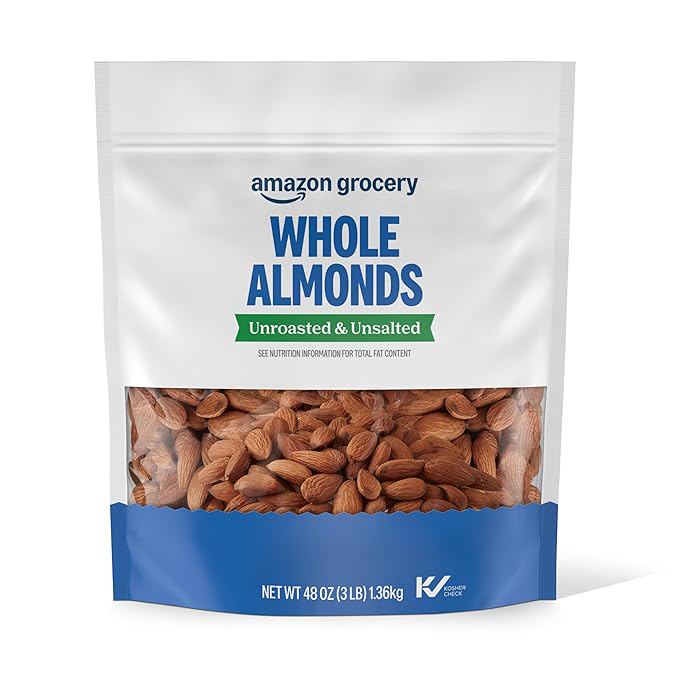
Almonds are one of the best food sources of magnesium, a mineral that plays a crucial role in the body’s stress response. Magnesium helps regulate the hypothalamic-pituitary-adrenal (HPA) axis, which controls cortisol production. Studies have shown that magnesium supplementation can reduce cortisol levels, particularly in people under chronic stress. A one-ounce serving of almonds (about 23 nuts) provides roughly 75–80 mg of magnesium—about 20% of your daily needs.
Flavonoids for Brain Blood Flow
Dark chocolate—specifically chocolate with at least 70% cocoa—is rich in flavonoids, particularly epicatechin. These compounds improve blood flow to the brain, which can enhance focus and cognitive performance under stress. Flavonoids also reduce inflammation and oxidative stress, both of which are elevated when cortisol is high. A 2020 study in the journal Nutrients found that consuming dark chocolate with high flavonoid content lowered cortisol levels in participants after a stressful task.
Healthy Fats and Protein for Steady Energy
Almonds also deliver healthy monounsaturated fats, vitamin E, and a modest amount of protein. Fat and protein slow the digestion of any carbohydrates you eat, preventing a rapid spike and crash in blood sugar. This steady energy helps keep cortisol from spiking and supports sustained concentration for the rest of the afternoon.
Aim for 1 ounce of almonds (about ¼ cup) and 1–2 squares of dark chocolate (70% or higher cocoa). That’s roughly 200–250 calories—enough to stabilize blood sugar without weighing you down.
Other Snacks That Support Stress Resilience
If almonds and dark chocolate aren’t your style, the same nutrient principles apply. Look for snacks that combine protein, healthy fat, and a low-glycemic carbohydrate source. Here are a few examples that target cortisol regulation:
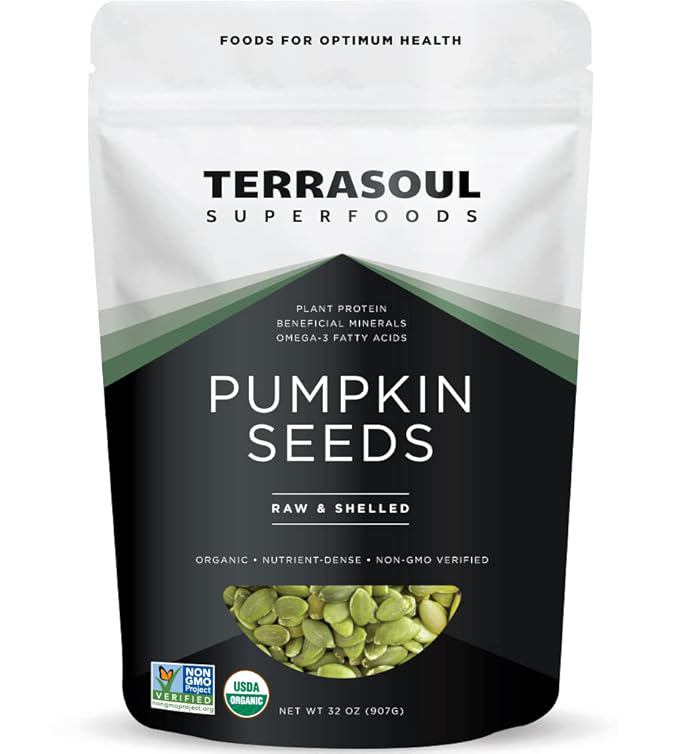
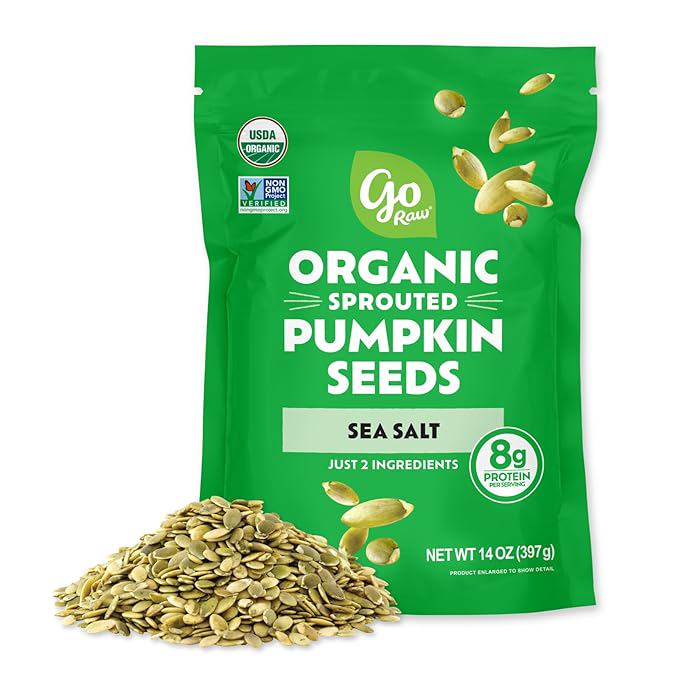
- Pumpkin seeds and a pear: Pumpkin seeds are rich in magnesium and zinc, while the pear provides fiber and a gentle sweetness.
- Greek yogurt with walnuts and berries: Yogurt provides protein and probiotics; walnuts add omega-3s and magnesium; berries supply antioxidants.
- Half an avocado with a hard-boiled egg: Avocado offers monounsaturated fats and potassium; the egg gives you protein and B vitamins that support adrenal function.
- Edamame with a sprinkle of sea salt: A plant-based protein source that also delivers magnesium and iron, edamame has a balanced macronutrient profile for blood sugar stability.
A Note on Magnesium-Rich Foods and Dosage
You don’t need supplements to get the stress-lowering benefits of magnesium. Foods like almonds, spinach, pumpkin seeds, black beans, and banana are excellent sources. For most adults, the recommended dietary allowance (RDA) for magnesium is 310–420 mg per day, depending on age and sex. A single afternoon snack won’t meet that whole target, but regular intake of magnesium-rich foods throughout the day supports a healthier stress response.
If you are considering a magnesium supplement, talk to your healthcare provider first. Too much magnesium from supplements can cause digestive upset or interfere with certain medications.
How to Build This Into Your Afternoon Routine
Planning ahead is key. Keep a small stash of almonds and a bar of dark chocolate in your desk drawer or bag. At the first sign of the afternoon slump—usually around 2 p.m.—take five minutes away from your screen. Eat the snack slowly, drink a glass of water, and take a few deep breaths. This brief reset does two things: it stabilizes your blood sugar and gives your brain a short break, which alone can lower cortisol.
Pairing the snack with a short mindfulness break—even just one minute of slow breathing—can amplify the stress-lowering effect.
Remember: Cortisol is not the enemy. It’s a necessary hormone that helps you respond to challenges. The goal is not to eliminate it, but to prevent it from staying chronically elevated. This afternoonal nuts-and-chocolate habit is one small, evidence-based tool that can help.