You’ve just picked them up from school, backpacks heavy with the day’s work. They’re tired, hungry, and ready to refuel. The after-school snack is a daily ritual, a small moment of care. But what you reach for in that crucial window can set a pattern that extends far beyond just quieting a rumbling stomach. It can quietly shape your child’s relationship with food, their energy levels for homework and play, and their long-term health.
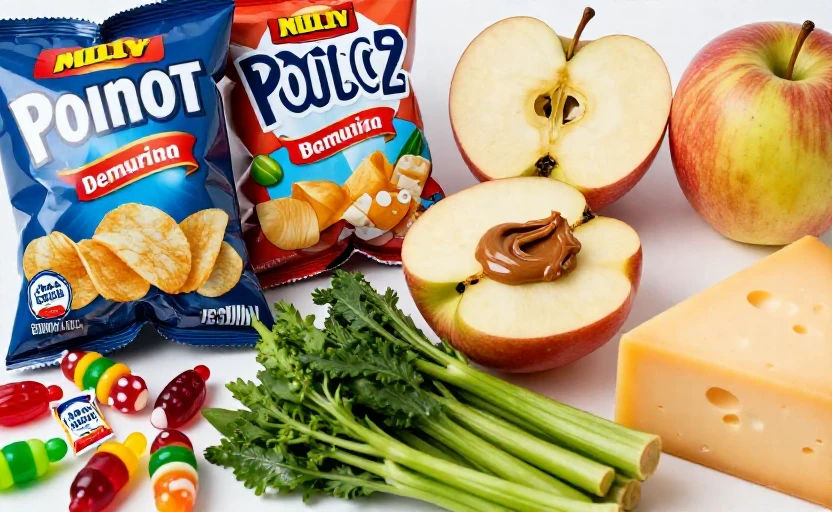
Often, the mistake isn't about offering a snack—it's about what that snack represents. In the rush of the afternoon, it's easy to default to the most convenient, highly processed options: fruit snacks in shiny packages, chips, sugary granola bars, or brightly colored drinks. These choices, while solving the immediate hunger, can lead to a cycle of energy spikes and crashes, displace nutrients from dinner, and teach habits that prioritize quick sugar over sustained nourishment.
Why the After-School Window Matters So Much
Think of your child’s body like a car that’s been running all day. They’ve used up the fuel from lunch, and they need a thoughtful refill to get them through the rest of the drive—homework, activities, and family time. A snack high in refined carbohydrates and added sugars acts like putting low-grade fuel in the tank. It creates a rapid spike in blood sugar, followed by an inevitable crash. This crash can manifest as irritability, fatigue, and difficulty concentrating, just as they’re settling into homework.
More subtly, filling up on empty calories can dull their appetite for the balanced dinner you’ve prepared, missing a key opportunity for vegetables, lean proteins, and whole grains. Over time, consistently choosing hyper-palatable, nutrient-poor snacks can shape taste preferences, making whole, less-processed foods seem less appealing.
The Common Mistake: Ultra-Processed Convenience
The core mistake is equating “snack” with “packaged treat.” Many classic after-school items are what nutritionists classify as ultra-processed foods. They’re engineered for long shelf life and irresistible taste, often containing:
- Added sugars (under many names like corn syrup, fructose, cane juice)
- Refined flours
- Industrial seed oils
- Artificial colors, flavors, and preservatives
While an occasional treat is part of life, making these the daily default teaches the body to expect quick, sweet energy hits and provides little of the building blocks—protein, fiber, healthy fats, vitamins, and minerals—that growing bodies and brains need for repair and development.
The goal isn’t perfection, but a shift in pattern. A nourishing snack combines two key elements: a source of protein or healthy fat to promote satiety, and a complex carbohydrate or fiber for steady energy.
Building a Better Snack Routine
Transforming the after-school snack doesn’t require elaborate prep. It’s about having better options ready and visible. The simplest approach is a “snack formula” that’s easy to remember and execute.
Pair for Power
Instead of a single item, think in pairs. Combine a protein or fat with a fruit, vegetable, or whole grain. This combination slows digestion, provides steady energy, and keeps them satisfied until dinner.
- Apple slices with a tablespoon of nut or seed butter.
- Whole-grain crackers or cucumber rounds with hummus.
- A small cup of plain yogurt with berries.
- A handful of trail mix (nuts, seeds, and a few dark chocolate chips).
- Cheese stick with a piece of whole fruit.
Rethink the Drink
Liquid calories from juice boxes, flavored milks, and sodas are a major source of added sugar that often goes unnoticed. They can deliver as much sugar as a candy bar without providing any fullness. Making water the default drink, perhaps with a slice of citrus or cucumber, is one of the most powerful single changes you can make. Milk is a fine choice with a meal, but letting sugary drinks become the daily thirst-quencher adds up quickly.
Making the Shift Practical and Peaceful
Change can meet resistance, especially when it comes to food. The key is involvement and consistency, not rigidity.
Let your child help choose from a pre-approved list of better options when you grocery shop. Wash and cut vegetables like bell peppers, carrots, or sugar snap peas so they’re as easy to grab as a bag of chips. Have a designated “snack drawer” or shelf in the fridge filled with the good stuff. When a less-nourishing choice is requested, you can calmly offer a choice between two better options: “Would you like yogurt and peaches or whole-grain toast with avocado?” This maintains their autonomy while guiding the selection.
Remember, you’re not just feeding a momentary hunger. You’re using these small, daily moments to build a foundation of healthy habits, stable energy, and a positive relationship with food that can support their health long after the school bell rings.