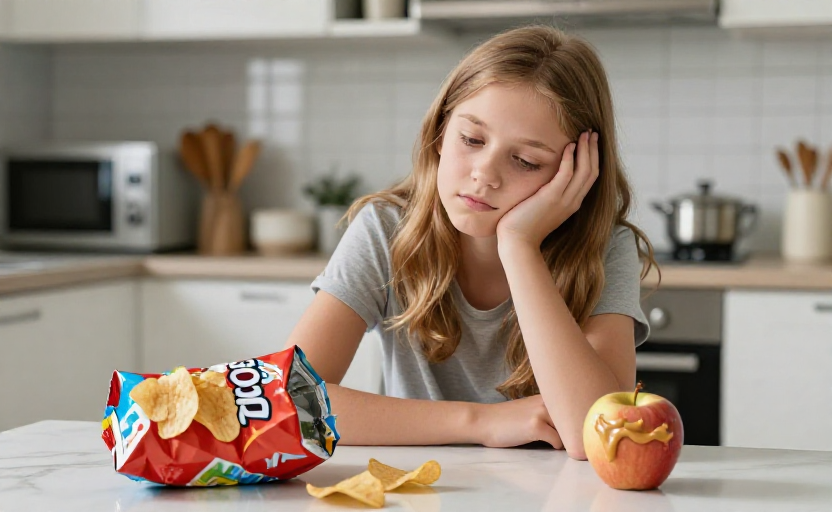
That after-school slump is a real phenomenon. Your teen walks in, drops their backpack, and heads straight for the pantry. What they grab in that moment can set the tone for the rest of their afternoon—influencing homework focus, after-school activity energy, and yes, even their mood. While it’s easy to reach for the quickest, most convenient option, that choice often comes with a hidden cost to emotional and mental balance.
The mistake isn’t about denying a snack; growing bodies and busy minds genuinely need the fuel. The misstep lies in the type of fuel we often provide without a second thought. Highly processed, sugar-laden, or nutrient-poor snacks can create a physiological rollercoaster that directly impacts brain chemistry, leading to irritability, fatigue, and difficulty concentrating.
Why Snack Choice Matters for Mood
The brain is a high-performance organ, and it demands steady, high-quality nutrition to function optimally. When a teen consumes a snack high in refined sugars and simple carbohydrates—think chips, candy, or sugary drinks—it causes a rapid spike in blood glucose. The body responds by releasing a surge of insulin to bring that sugar level down, often resulting in a crash. This crash isn't just physical; it manifests as mental fog, lethargy, and irritability.
Conversely, a snack that combines protein, healthy fats, and complex carbohydrates provides a slow, steady release of energy. This supports stable blood sugar levels, which is foundational for stable moods. Nutrients like omega-3 fatty acids, B vitamins, magnesium, and antioxidants play direct roles in neurotransmitter production and brain cell protection. The right snack isn't just filling a stomach; it's supporting the very biochemical processes that regulate emotion and focus.
The goal isn't perfection at 3:30 p.m., but awareness. A simple shift from a pure sugar hit to a balanced bite can smooth out the afternoon's emotional edges.
Common Mood-Disrupting Snack Traps
Let's look at some typical after-school picks and their potential pitfalls:
- Sugary Cereal or Granola Bars: Many are disguised as healthy but are packed with added sugars. That initial sugar rush leads to a crash, often right when they need to sit down for homework.
- Salty Chips and Pretzels: These are primarily refined carbohydrates with little fiber or protein. They digest quickly, leaving hunger—and low energy—returning soon after. High sodium can also contribute to dehydration, which exacerbates fatigue.
- Soda, Energy Drinks, or Sweetened Coffee: This is perhaps the biggest mood saboteur. The caffeine and sugar combo creates a sharp peak and a deep valley in energy and mood, and can significantly disrupt sleep patterns later, creating a cycle of next-day fatigue.
- Pastries or Cookies: Like sugary cereals, these offer a fleeting sense of satisfaction followed by a drop in blood sugar, which the brain perceives as stress, potentially triggering feelings of anxiety or frustration.
Building a Better Snack: The Mood-Supporting Formula
You don't need a nutrition degree to make a positive change. Aim for snacks that include at least two of these three components: protein, healthy fat, and fiber. This combination slows digestion, provides sustained energy, and supplies key nutrients.
Here are some simple, realistic swaps and ideas:
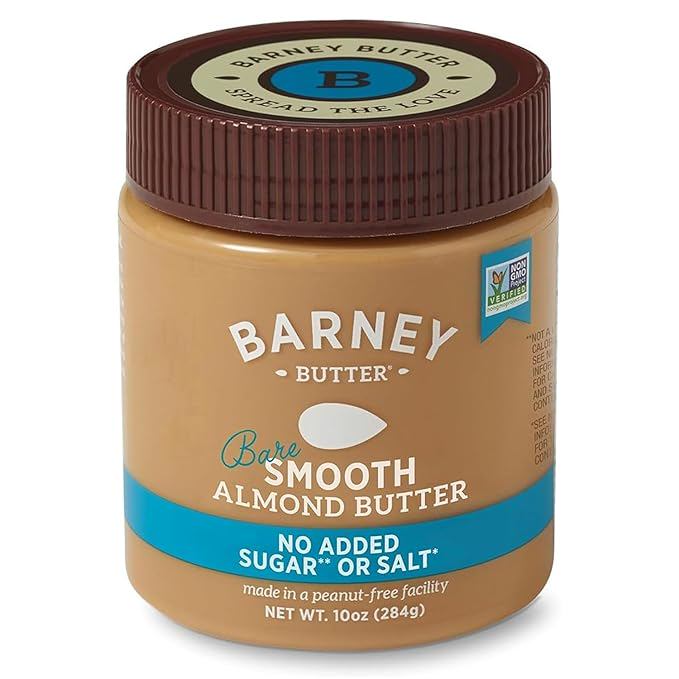
- Instead of just an apple, have apple slices with a tablespoon of almond or peanut butter.
- Instead of a bag of chips, try whole-grain crackers with cheese or hummus.
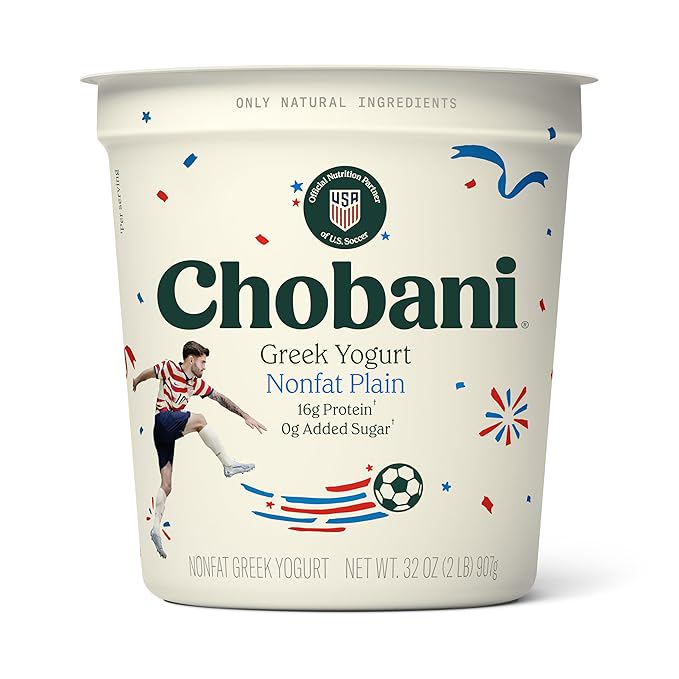
- Instead of a sugary yogurt, choose plain Greek yogurt and add fresh berries and a drizzle of honey.
- Instead of a pastry, try a small handful of nuts and dried fruit (without added sugar).
- Keep it simple: A hard-boiled egg, a piece of cheese with whole-wheat toast, or a small smoothie made with yogurt and spinach are all excellent, balanced options.
Creating an Environment for Success
Teens are autonomous, and we can't control every bite. However, we can shape their environment and make the better choice the easier choice.
- Stock the pantry strategically. Make sure those balanced options are visible, accessible, and pre-portioned where possible. Wash and cut veggies on the weekend; keep hummus and cheese sticks at the front of the fridge.
- Involve them in the process. Ask your teen what balanced snacks they enjoy. Take them grocery shopping and let them pick out a new whole-grain cracker or a nut butter to try. Ownership increases buy-in.
- Model the behavior. When you reach for an afternoon snack, verbalize your choice. "I'm feeling sluggish, so I'm having some yogurt for protein to get me through making dinner."
- Focus on addition, not restriction. Frame it as "Let's make sure you have the energy for your game tonight," rather than "Don't eat that junk."
Observing the connection between food and mood can be a powerful lesson for a teenager. It empowers them to see that they have some agency over how they feel. By gently steering after-school snacking away from the quick sugar fix and toward more balanced nourishment, you're not just avoiding an afternoon meltdown. You're helping them build a foundational habit of fueling their body and brain for resilience, focus, and a more stable, positive mood.