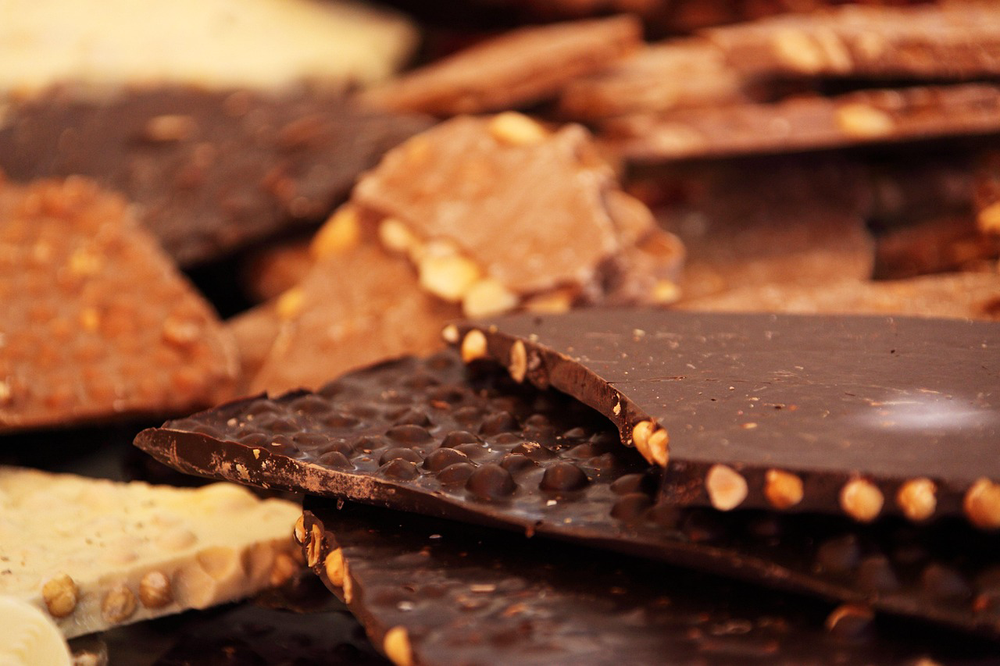
We've all been there. It's mid-afternoon, your eyelids are heavy, and you're craving something to power through the rest of the day. For many, a quick nap seems like the perfect reset. But what you eat right before you lie down can make or break that rest. According to sleep specialists, there's one specific food that is almost guaranteed to sabotage a short nap: chocolate, especially dark chocolate.
This might sound surprising, especially since chocolate is often thought of as a comfort or even a sleepytime treat. However, the reason is rooted in biochemistry and the way your body processes certain compounds. While a small piece of dark chocolate might feel like a harmless indulgence, it contains a potent combination of stimulants that directly counteract your body's natural wind-down process. For a short power nap—typically 10 to 20 minutes—this disruption is particularly damaging because you need to fall asleep quickly and enter a light, restorative stage without hitting deeper sleep cycles.
Why Chocolate Wrecks Your Power Nap
The main culprit in chocolate is a compound called theobromine. Theobromine is structurally similar to caffeine and acts as a mild central nervous system stimulant. While it’s famous for giving chocolate its bitter edge, it also increases heart rate and keeps the brain alert. Dark chocolate, which is often praised for its antioxidant properties, actually contains more theobromine than milk chocolate. Combine that with the small amount of caffeine already present in cacao, and you have a double punch of activation.
Think of eating dark chocolate before a nap like drinking a mini espresso. It’s not enough to keep you up all night, but it is enough to stop you from drifting off quickly.
For a short 20-minute nap, your goal is to fall asleep within five minutes or less. Theobromine and caffeine both block adenosine receptors in the brain. Adenosine is the chemical that makes you feel sleepy. By blocking it, chocolate essentially tells your brain, “Stay awake, there’s energy to burn.” The result is that you lie there, waiting for drowsiness that never quite arrives, or you end up in a groggy state of half-sleep that offers no real restoration.
Sugar and Blood Sugar Spikes
Beyond the stimulant factor, the sugar content in most chocolate bars works against you as well. A quick hit of sugar causes a rapid rise in blood glucose, followed by an equally rapid crash. This crash, sometimes called a sugar slump, might initially make you feel tired. However, the body’s response to the initial spike involves a surge of insulin. The resulting instability in blood sugar levels can interfere with the ability to maintain restful sleep, even for a short period. You might wake up feeling more tired or slightly wired rather than refreshed.
What about milk chocolate or white chocolate?
Milk chocolate contains less theobromine and caffeine than dark chocolate, making it slightly less disruptive, but the sugar load is often higher. White chocolate, technically not real chocolate, contains no cocoa solids, so it lacks theobromine. However, it is still a concentrated dose of sugar and fat. Eating a lot of any high-sugar food before lying down can cause digestive discomfort and heartburn, which then makes falling asleep uncomfortable. The golden rule for a nap is to keep your stomach relatively empty and your nervous system calm.
What Should You Eat Instead?
If you are genuinely hungry before a planned short nap, choose something that supports sleep, not fights it. Good options include a small banana, a handful of almonds, or a glass of milk. These foods contain tryptophan, magnesium, or natural sugars that help promote sleep without the overstimulation. Do not eat a full meal, as heavy digestion will also keep you awake. The key is to have just enough in your stomach to prevent hunger pangs from bothering you.
Timing Matters, Too
Experts also suggest a timing rule of thumb: try to leave at least one to two hours between eating any significant food and lying down for a nap. This allows your body to finish the initial phase of digestion and reduces the risk of acid reflux. If you eat chocolate right before you lie down, you are fighting both a chemical stimulant and a full stomach.
Ultimately, a short nap is about giving your brain a brief, high-efficiency restoration window. Introducing a substance designed to keep you alert is counterproductive. Save your chocolate consumption for a time when you need a gentle pick-me-up or as an afternoon treat away from your bed. Your sleep cycle will thank you.