When stress starts to tighten its grip, the idea of reaching for a comforting, nourishing drink can feel like a small act of reclaiming calm. While no single food is a magic cure, what you blend into your morning or afternoon smoothie can be a deliberate step toward supporting your nervous system. The right combination of ingredients works with your body’s chemistry, providing nutrients that are foundational for a balanced mood.
Think of it as building a nutritional buffer against daily pressures. The goal isn’t to eliminate stress—that’s an impossible standard—but to give your body the raw materials it needs to handle it with more resilience. The kitchen blender becomes a simple tool for self-care, transforming whole foods into a drink that’s as supportive for your mind as it is for your body.
What makes a smoothie ingredient “stress-busting”?
Stress isn’t just a feeling; it’s a physiological event. When we’re under pressure, our bodies use up certain nutrients at a faster rate, particularly B vitamins, vitamin C, and magnesium. Chronic stress can also influence neurotransmitters like serotonin and dopamine, which help regulate mood. A stress-supportive smoothie focuses on ingredients that help replenish these depleted resources and provide compounds that gently support the body’s stress response systems.
The foundation is always whole, minimally processed foods—fruits, vegetables, nuts, seeds, and spices that bring specific nutritional benefits to the mix.
Core ingredients for your blend
Building your smoothie starts with a base, then layers in ingredients with targeted benefits. Here’s a look at some of the most supportive choices and why they work so well together.
The Magnesium Masters
Magnesium is often called nature’s relaxation mineral, and for good reason. It plays a crucial role in muscle relaxation and nervous system regulation. A deficiency can amplify feelings of anxiety and tension.
- Spinach or Swiss chard: A large handful of these leafy greens blends in easily, adding a significant magnesium boost without overpowering the flavor.
- Avocado: Half an avocado contributes creamy texture along with magnesium and healthy fats, which help slow the absorption of sugars for sustained energy.
- Pumpkin seeds: A tablespoon or two of these seeds (or pumpkin seed butter) is a concentrated source of both magnesium and zinc, another mineral involved in mood regulation.
The Vitamin C & Antioxidant Crew
Vitamin C is used by the adrenal glands during stress hormone production, and oxidative stress often increases when we’re under pressure. Antioxidants help combat this cellular wear and tear.
- Berries: Blueberries, strawberries, and raspberries are packed with vitamin C and flavonoids, antioxidants linked to cognitive and emotional health.
- Citrus: A squeeze of fresh orange or grapefruit juice, or a whole peeled clementine, provides a direct hit of vitamin C and a bright, uplifting flavor.
- Kiwi: This small, fuzzy fruit actually contains more vitamin C than an orange, making it a powerful, tart addition.
The Adaptogen & Soothing Spice Shelf
This category includes traditional herbs and spices known for helping the body adapt to stress. They are best used consistently over time, not as an instant fix.
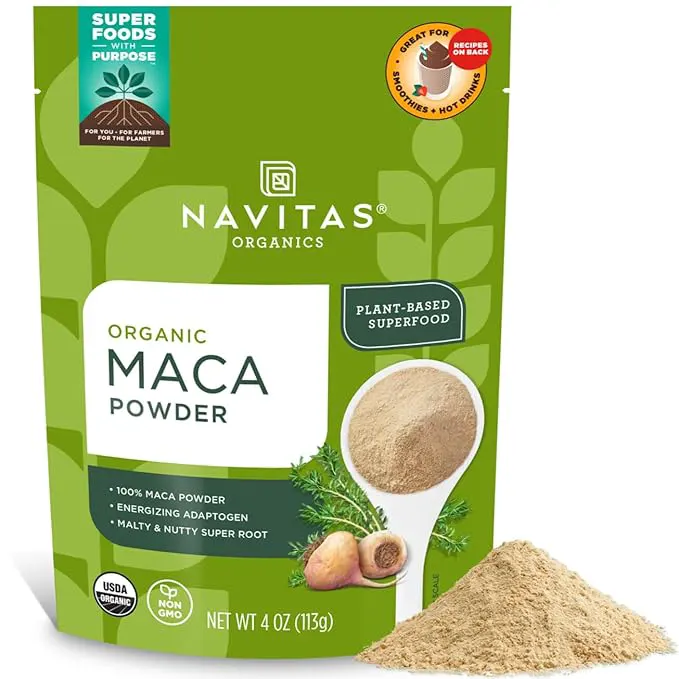
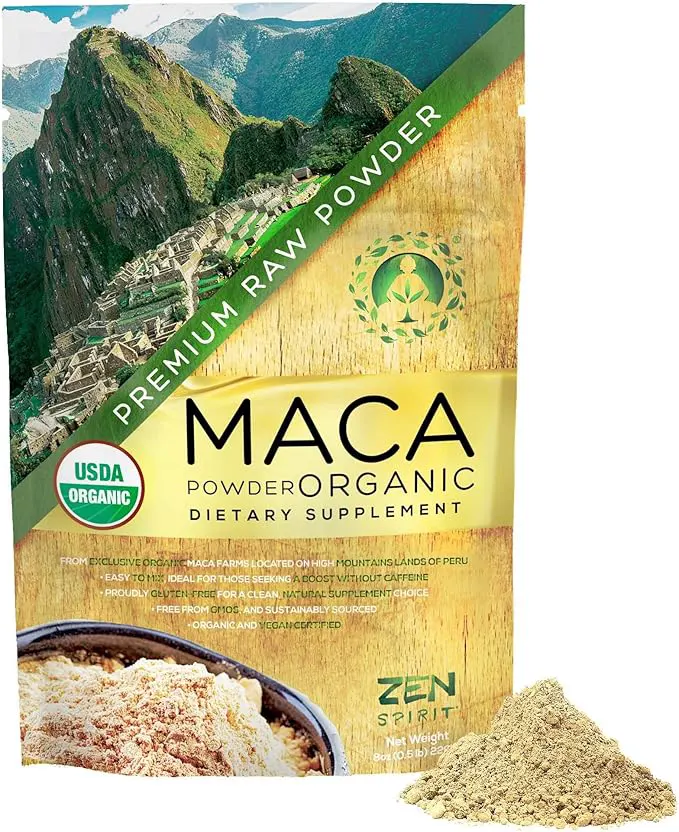
- Maca powder: This root from Peru is considered an adaptogen, often associated with supporting energy and mood balance. Start with a teaspoon.
- Ashwagandha powder: Another adaptogen with a long history in Ayurveda for promoting a sense of calm. It has an earthy taste that pairs well with cinnamon and nutty flavors.
- Cinnamon & turmeric: These warming spices do more than add flavor. Cinnamon can help balance blood sugar, preventing mood crashes, while turmeric contains curcumin, a compound studied for its role in supporting a healthy inflammatory response, which is often linked to stress.
Putting it all together: A template for your blend
You don’t need every ingredient from every category. The art is in choosing a few that work for your taste and what you have on hand. Follow this simple template to craft your own balanced blend.
- Choose your liquid base (about 1 cup): Unsweetened almond milk, oat milk, coconut water, or plain water.
- Add your magnesium source (pick 1-2): A big handful of spinach, ½ an avocado, or a tablespoon of pumpkin seeds.
- Add your antioxidant fruit (about ¾ cup): A mix of frozen berries, a peeled orange, or a ripe kiwi.
- Consider a healthy fat or protein for staying power: A spoonful of almond butter, chia seeds, or a plain plant-based protein powder.
- Flavor with adaptogens or spices (optional): ½ teaspoon of cinnamon, a pinch of turmeric, or 1 teaspoon of maca or ashwagandha powder.
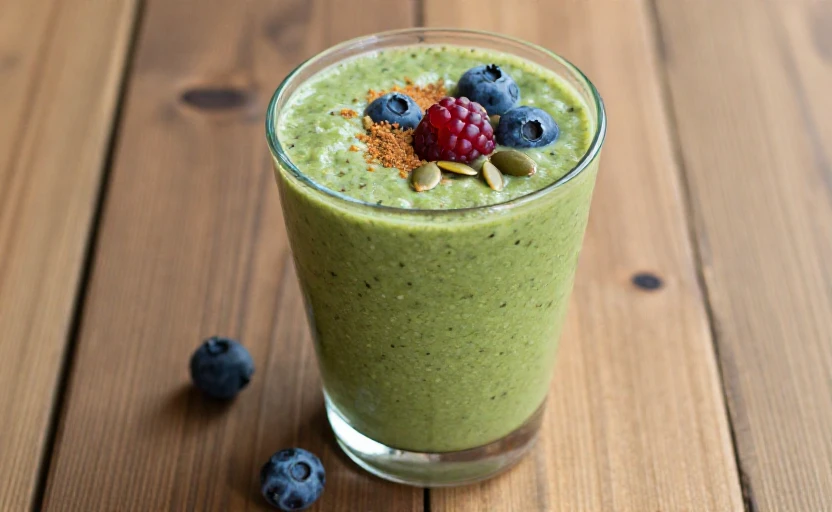
- Blend until completely smooth. Taste and adjust—if it’s too tart, a single pitted date or a drizzle of raw honey can add a touch of sweetness.
Remember, consistency is more meaningful than perfection. A simple smoothie with spinach, berries, and seeds enjoyed regularly can be more supportive than a complex “perfect” blend you make once.
What to be mindful of
While these ingredients are generally safe for most people, it’s wise to listen to your body. If you are pregnant, nursing, taking medication, or have a specific health condition, discussing significant dietary changes with a healthcare provider is a good step. Start with small amounts of new ingredients like adaptogen powders to see how you feel. The aim is gentle support, not a drastic overhaul.
Ultimately, the ritual of making your smoothie can be as calming as drinking it. The few minutes spent measuring, blending, and savoring create a mindful pause in the day—a small but tangible way to nourish yourself from the inside out.