If you’ve ever stared at the ceiling at 2 a.m., you understand the temptation. The promise of a sleep supplement—a simple capsule or gummy that could usher in a full night of rest—feels like a lifeline. The market is flooded with options, from ancient herbal remedies to modern melatonin formulations, each claiming to be the key to better sleep. But before you reach for that bottle, it’s worth pausing to ask what the evidence really says and how to approach these products with both hope and caution.
Sleep supplements are not medications. They are considered dietary supplements, which means they are regulated differently. This distinction is crucial for setting realistic expectations about their effectiveness and understanding the importance of your own due diligence. Let’s explore what experts in sleep medicine and nutrition science highlight when discussing these popular aids.
The Regulatory Landscape: Understanding What You’re Buying
In the United States, dietary supplements fall under the purview of the Food and Drug Administration (FDA), but under a different set of rules than prescription or over-the-counter drugs. A manufacturer does not need to prove a supplement is safe or effective before it hits store shelves. The FDA’s role is primarily reactive, stepping in if a product is found to be adulterated or misbranded after it’s on the market.
This "post-market" regulatory approach means the responsibility for verifying quality and safety shifts significantly toward the consumer.
This system underscores why it’s so important to choose supplements from reputable companies that adhere to voluntary quality standards. Look for third-party verification seals from organizations like NSF International, USP (United States Pharmacopeia), or ConsumerLab.com. These indicate the product has been tested for purity, potency, and the absence of contaminants like heavy metals.
Common Supplements and the Evidence Behind Them
Not all sleep supplements are created equal. Some have a modest body of research supporting their use for specific sleep issues, while others rely more on traditional use than clinical trials. Here’s a breakdown of what experts frequently discuss.
Melatonin
Melatonin is a hormone your body naturally produces in response to darkness, signaling that it’s time to sleep. Supplemental melatonin is most effective for certain circadian rhythm disruptions, such as jet lag or shift work disorder. It can help reset your internal clock.
For general insomnia, the evidence is mixed. It may help reduce the time it takes to fall asleep slightly. Experts consistently warn that more is not better; a typical effective dose is often between 0.5 mg and 3 mg, taken 30-60 minutes before bedtime. Doses higher than what your body produces naturally can lead to next-day grogginess and vivid dreams.
Magnesium
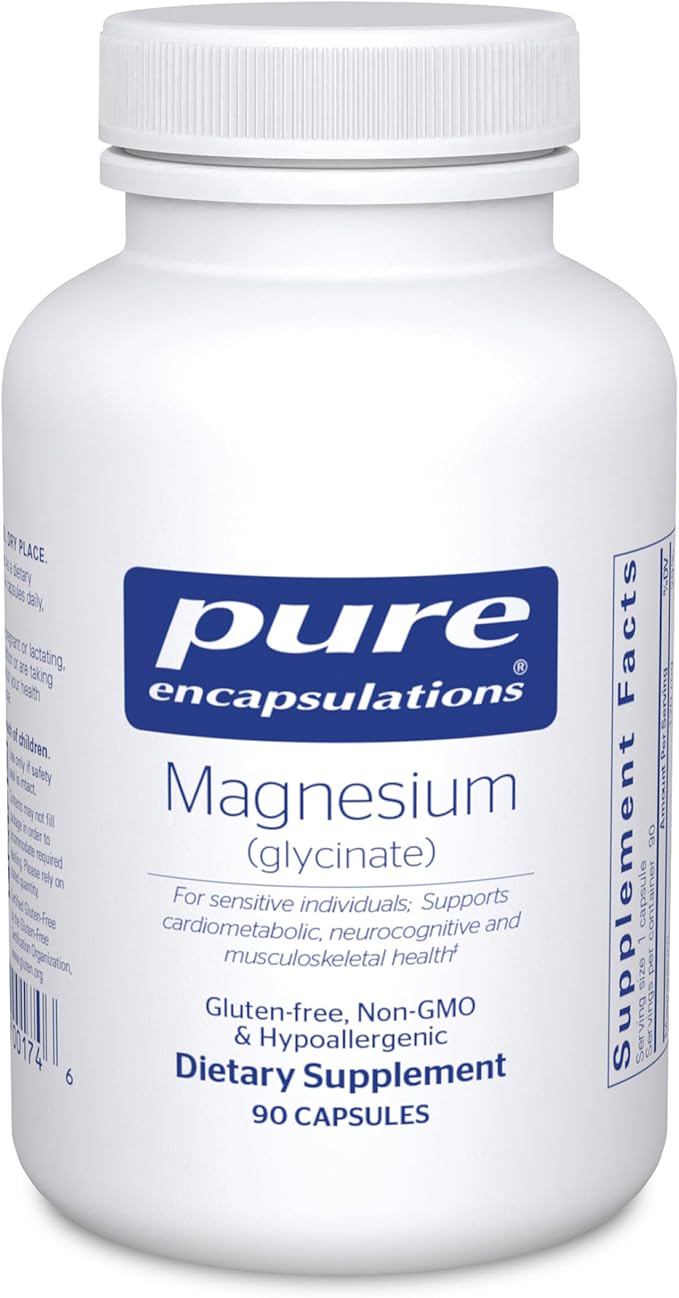
This essential mineral plays a role in hundreds of bodily processes, including muscle relaxation and nervous system regulation. Some research suggests magnesium deficiency can interfere with sleep, and supplementation might improve sleep quality, especially in those with low levels. Forms like magnesium glycinate are often recommended for their calming properties and good bioavailability.
It’s generally considered safe at recommended doses, though high doses can cause digestive upset. As with any supplement, it’s wise to consider whether you might be addressing a deficiency or simply adding to an already sufficient intake.
Valerian Root
Used for centuries as a sedative, valerian root is one of the most studied herbal sleep aids. Some clinical trials show it can improve sleep quality and reduce the time to fall asleep, while others find it no better than a placebo. The inconsistency may be due to variations in plant compounds and extraction methods.
It’s usually well-tolerated for short-term use, but experts note it shouldn’t be combined with alcohol or sedative medications. Its distinctive odor is often a telltale sign of the raw herb.
L-Theanine
This amino acid, found naturally in tea leaves, is promoted for its relaxing and anxiety-reducing effects without drowsiness. Studies suggest it may improve sleep quality by promoting a state of calm alertness during the day and easing the transition into sleep at night. It’s often paired with other supplements like magnesium.
Other Notable Mentions
- Chamomile: Often consumed as a tea, its calming effects are well-documented in folk medicine, though robust clinical trials are limited. It’s widely regarded as safe.
- Lavender: Typically used in aromatherapy (e.g., essential oil diffusers), some studies show inhaled lavender can improve subjective sleep quality. Oral supplements exist but should be used with greater caution.
- Glycine: This amino acid may help lower core body temperature, a signal for sleep onset. Some small studies show promise for improving sleep quality.
Safety First: Critical Conversations and Red Flags
Assuming a supplement is "natural" and therefore completely safe is a common and potentially risky mistake. Herbs contain active pharmacological compounds that can interact with medications or exacerbate health conditions.
The most important step you can take is to consult your healthcare provider or a pharmacist before starting any new supplement. This is non-negotiable if you are pregnant, breastfeeding, have a chronic health condition (like liver or kidney disease), or are taking other medications. For example, valerian can interact with sedatives, and St. John’s Wort (sometimes used for sleep related to depression) has a long list of dangerous drug interactions.
Treat supplements as you would any other active substance in your routine—with respect for their potential effects and interactions.
Be wary of products that make drug-like claims (“cures insomnia”), contain proprietary blends that hide individual ingredient doses, or promise immediate, miraculous results. These are red flags for misleading marketing.
A Holistic View: Supplements Are Part of a Larger Picture
Sleep experts emphasize that no supplement is a substitute for good sleep hygiene. Think of a supplement not as a standalone solution, but as a potential supportive tool within a broader framework for healthy sleep.
This framework includes:
- Consistency in your sleep and wake times.
- Ensuring your bedroom is dark, quiet, and cool.
- Limiting exposure to blue light from screens for at least an hour before bed.
- Avoiding caffeine and large meals too close to bedtime.
- Managing daily stress through practices like mindfulness or gentle movement.
If sleep difficulties persist, it’s essential to seek professional medical advice. Chronic insomnia may be a symptom of an underlying condition like sleep apnea, anxiety, or restless legs syndrome, which requires a specific diagnosis and treatment plan.
Sleep supplements can offer a gentle nudge toward rest for some people, particularly when used intentionally for specific, short-term needs. Their greatest value may lie in their placebo effect—the powerful mind-body response that comes from taking a moment to consciously prepare for rest. By choosing high-quality products, understanding the evidence, prioritizing safety, and integrating them into a lifestyle that values sleep, you can make an informed decision that supports your journey toward better rest.