
You settle in for a short afternoon nap, hoping to wake up refreshed and recharged. Instead, you surface feeling thick-headed, disoriented, and even more tired than before you closed your eyes. This heavy, groggy feeling is sleep inertia, and while its causes are complex, what you ate or drank right before your nap might be a significant, overlooked contributor.
Sleep inertia is that temporary state of impaired cognitive and sensory-motor performance immediately after waking. It’s the brain’s foggy transition from sleep to full alertness. While a brief period of inertia is normal, intense or prolonged grogginess can derail your afternoon. The connection to your snack is all about timing, digestion, and how certain nutrients influence your brain’s sleep-wake chemistry.
What Happens in Your Body During a Nap?
To understand how food plays a role, it helps to know what a nap is asking of your body. A short nap of 20-30 minutes is intended to be a light, refreshing pause. Your goal is to dip into the lighter stages of non-REM sleep without plunging into the deep, slow-wave sleep that makes waking so difficult.
When you eat, your body shifts resources toward digestion. Blood flow is directed to your gut, and metabolic activity increases. If you lie down with a full stomach, your body is trying to accomplish two major tasks at once: digesting a meal and initiating sleep. This competition can lead to fragmented, lower-quality sleep and a more turbulent wake-up.
The wrong snack can turn a restorative power nap into a recipe for grogginess.
The Grogginess Triggers in Your Snack
Not all foods and drinks affect your nap equally. Some common culprits directly interfere with the sleep-wake process or digestion in ways that amplify inertia.
Heavy, High-Fat Foods
A rich, fatty meal or snack takes longer to digest. Lying down soon after can lead to discomfort, acid reflux, or simply a feeling of fullness that keeps your body working hard when you want it to rest. This digestive activity can prevent you from settling into a calm, steady sleep state, leading to a muddled awakening.
Refined Carbohydrates and Sugars
That sugary pastry or soda causes a rapid spike in blood sugar, followed by a crash. This crash can coincide with your nap, potentially pulling you into a deeper sleep than intended or causing unstable sleep stages. Waking up during this blood sugar dip can intensify feelings of fatigue and mental fog.
Caffeine (Timing is Everything)
This is a classic double-edged sword. A small amount of caffeine right before a short nap—sometimes called a “caffeine nap”—can help reduce inertia because it takes about 20 minutes to kick in, aligning with your wake-up. However, if your nap stretches longer or your timing is off, the caffeine can begin to activate your brain during sleep, leading to a conflicted and non-restful state that ends in grogginess.
Large Portions
Simply put, the more you eat, the more work digestion requires. A large meal forces a significant metabolic shift, which is at odds with the physiological calm needed for clean, light sleep. A smaller snack is almost always a better pre-nap choice.
Choosing a Nap-Friendly Snack
The ideal pre-nap food supports stable blood sugar, is easy to digest, and contains nutrients that may gently encourage relaxation without promoting deep sleep. The key is a small, balanced portion about 30-60 minutes before you plan to rest, allowing the initial digestive surge to pass.
- A small handful of nuts: Almonds or walnuts provide protein and healthy fats for sustained energy without a spike.
- A piece of whole fruit: Like a banana or a few berries. The natural sugars are paired with fiber, leading to a more gradual absorption.
- A small bowl of oatmeal: A complex carbohydrate that can promote feelings of calmness.
- A slice of whole-grain toast with a thin spread of nut butter: This combines complex carbs with a little protein and fat.
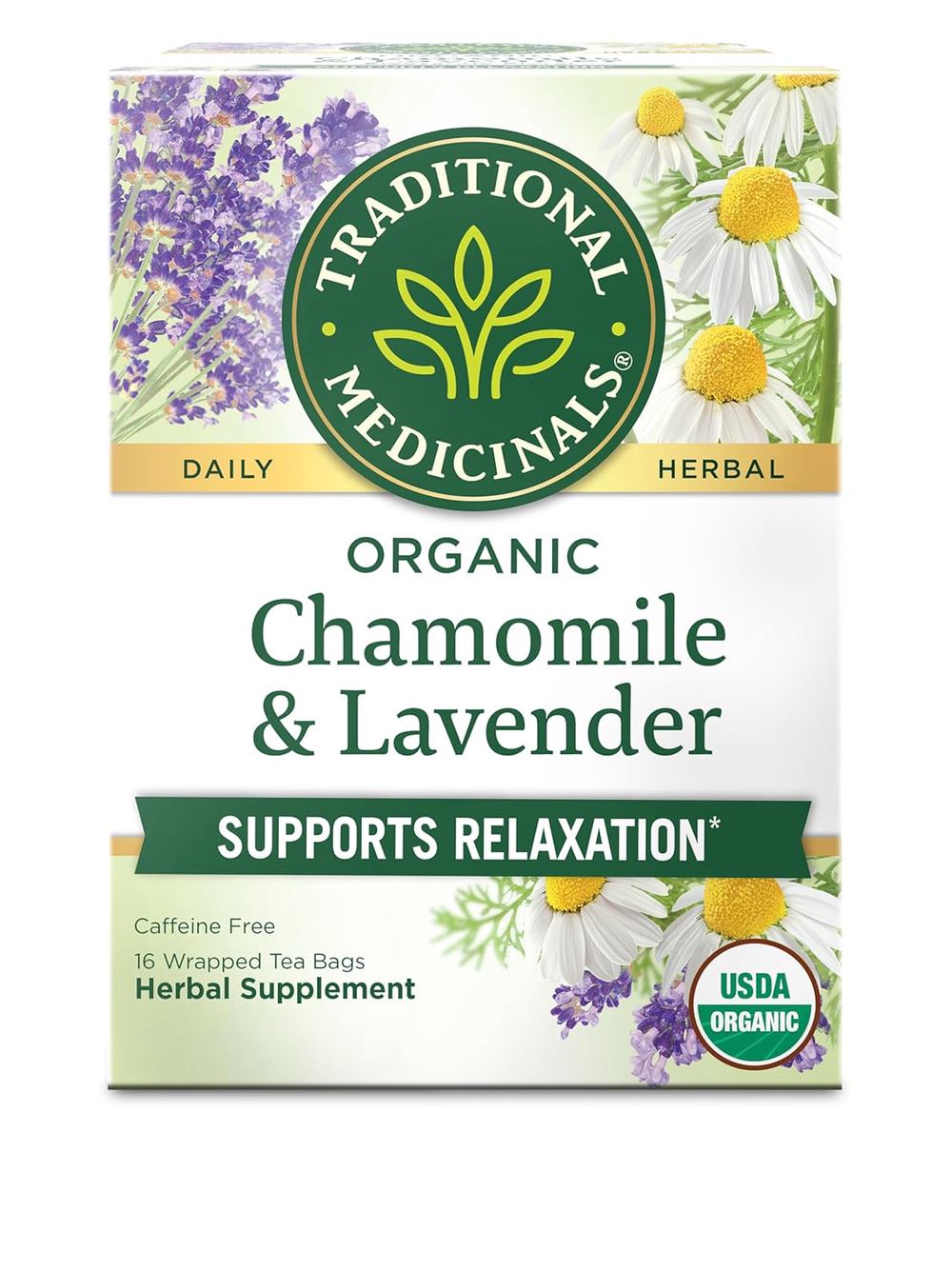
Hydration matters, too. Dehydration can worsen fatigue. A glass of water is an excellent choice. Herbal teas like chamomile or peppermint (non-caffeinated) can be soothing, but avoid drinking so much that you’ll need to wake up to use the bathroom.
Beyond the Snack: Other Ways to Minimize Sleep Inertia
While your snack is a powerful lever, other nap habits influence how you wake up.
Keep it short. Limiting your nap to 20-30 minutes maximizes the chance you’ll wake from light sleep, before descending into deep sleep where inertia is strongest.
Time it wisely. The post-lunch dip in circadian alertness, typically between 1 p.m. and 3 p.m., is a natural window for napping. Napping too late in the day can interfere with nighttime sleep.
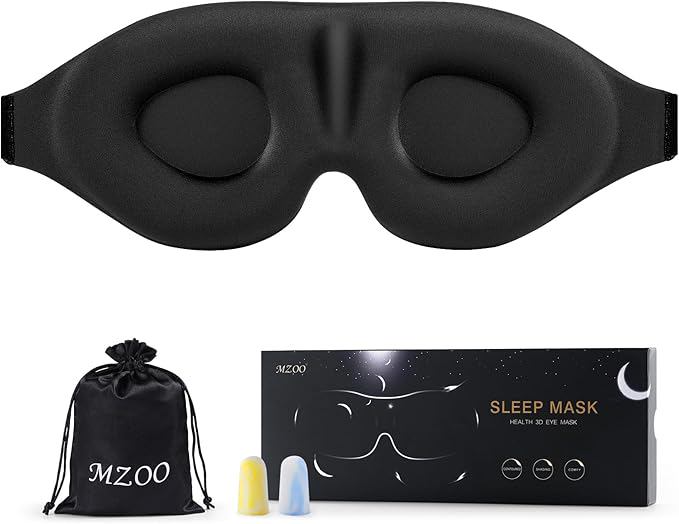
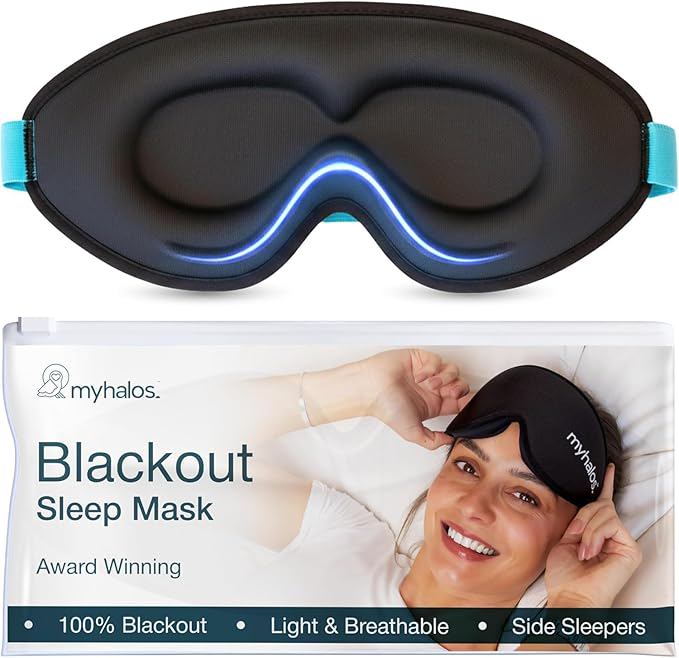
Create a restful environment. A dark, quiet, and cool space signals to your brain that it’s time to wind down, helping you fall asleep more efficiently for the short time you have.
Give yourself a gentle wake-up. If possible, allow a few minutes to transition after your alarm. Stretch, take some deep breaths, and sip some water before jumping into a demanding task.
If you consistently experience severe sleep inertia despite adjusting your habits, it may be worth discussing with a healthcare provider to rule out underlying sleep quality issues or other conditions.
Your pre-nap ritual doesn’t have to be complicated. By being mindful of that small snack—opting for light, balanced choices and avoiding heavy, sugary, or large meals—you can significantly tilt the odds in favor of waking up clear-headed and truly refreshed, turning your nap from a groggy gamble into a reliable tool for well-being.