
You’ve likely felt it—that heavy, restless feeling after a late dinner, followed by a night of tossing and turning. As we get older, this connection between what we eat at night and how we sleep seems to grow stronger. It’s not just in your head; there’s a tangible, biological rhythm at play, one that becomes more sensitive with time.
This isn’t about restrictive diets or eating by a strict military clock. It’s about understanding the gentle, natural dialogue between your digestive system and your sleep cycle. When you learn to listen, you can make small, practical adjustments that support deeper, more restorative rest.
Why timing matters more as we get older
In our younger years, the body is remarkably resilient. It can process a midnight snack and still drift off. But aging brings subtle shifts in our physiology that make timing a key player in sleep hygiene. Our core body temperature, which needs to drop to initiate sleep, is influenced by digestion. Metabolism naturally slows, meaning food sits in the stomach longer. Production of sleep-regulating hormones like melatonin also changes.
Eating too close to bedtime essentially sends your body conflicting signals. One system is trying to wind down for the night, while another is kicking into high gear to digest, metabolize, and manage blood sugar. This internal competition can lead to fragmented sleep, more nighttime awakenings, and a feeling of being unrefreshed in the morning.
Think of your evening as a gradual descent into rest, not a sudden crash landing. Your meal timing is part of that gentle slope.
The science of digestion and sleep cycles
To understand the ‘why,’ let’s look at the two primary processes at work: your circadian rhythm and your digestive system.
Your circadian rhythm is your body’s 24-hour internal clock, regulating everything from hormone release to cell repair. It expects certain events at certain times. Digestion is naturally more efficient earlier in the day when cortisol and metabolic enzymes are higher. As evening approaches, your body begins preparing for sleep, not a complex digestive task.
When you eat late, you disrupt this preparation. The body must produce insulin to manage blood glucose, and your core temperature may rise due to the thermic effect of food—the energy used to digest. Since a drop in core temperature is a critical signal for sleep onset, this can delay your ability to fall asleep.
Furthermore, lying down with a full stomach can exacerbate acid reflux or heartburn, conditions that often become more common with age and can severely disrupt sleep continuity.
The role of meal composition
While timing is crucial, what you eat plays a supporting role. Heavy, fatty, or large meals take significantly longer to digest and should be avoided late. Spicy foods can trigger indigestion. Conversely, a small snack that includes a bit of complex carbohydrate and protein (like a few whole-grain crackers with almond butter) might not be disruptive if you’re genuinely hungry a few hours after an early dinner. The goal is to avoid sending your digestive system into overdrive just as you’re trying to power down.
Finding your ideal evening rhythm
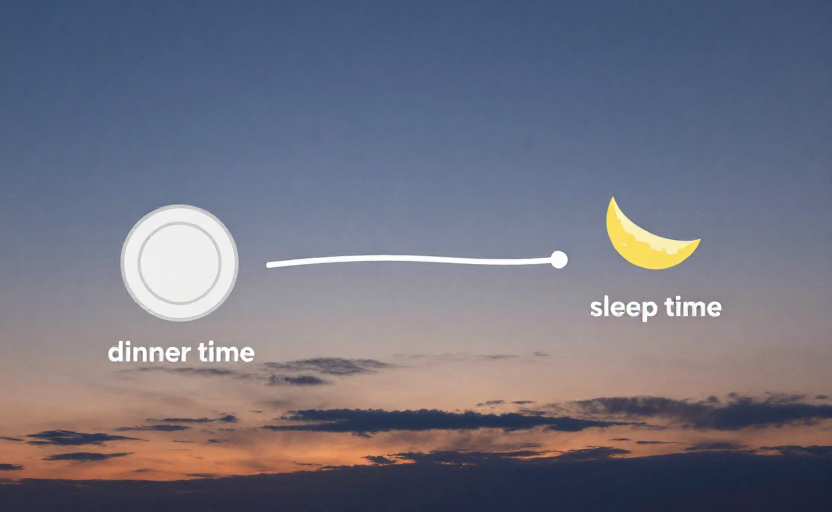
There’s no universal perfect time that works for every person. It depends on your individual schedule, metabolism, and when you naturally go to bed. However, a practical guideline for most adults, especially those over 50, is to aim for your last main meal to finish at least 2 to 3 hours before bedtime.
This window allows for the bulk of digestion to move from the stomach to the small intestine, reducing the risk of reflux and giving your core temperature time to begin its nightly decline. If you eat dinner at 6 p.m. and go to bed at 10 p.m., you’re well within this range. If your schedule forces a later dinner, focus on making that meal lighter and easier to digest.
Creating a consistent routine is as important as the clock itself. Try to eat your evening meal around the same time each day. This regularity reinforces your circadian rhythm, training your body to anticipate both digestion and sleep.
- Listen to your body: Notice how you feel after eating at different times. Keep a simple log for a week of dinner time, meal lightness, and sleep quality.
- Prioritize a larger lunch: If you know you’ll have a late social dinner, make lunch your more substantial meal of the day.
- Wind down with ritual, not food: Replace late-night snacking with a calming routine—herbal tea, reading, or gentle stretching.
Adjusting habits for better sleep
Changing long-standing habits takes patience. Start with one manageable shift. If you typically eat dinner at 8 p.m. and go to bed at 10:30, try moving it to 7:30 for a week. Observe any changes in how quickly you fall asleep or how you feel at night.
Hydration is another key piece. It’s vital to stay hydrated throughout the day, but try to taper off fluids about an hour before bed to minimize nighttime trips to the bathroom, another common sleep disruptor as we age.
Finally, view your evening meal timing as one strand in the web of good sleep hygiene. It works in concert with other practices: exposure to natural light during the day, a dark and cool sleep environment, and managing stress. When these elements align, you create the optimal conditions for your body to find the deep, restorative sleep it needs.
The relationship between your dinner plate and your pillow is a powerful one, growing more significant with each passing year. By honoring your body’s natural rhythms and giving it the time it needs to transition from digestion to rest, you’re not just avoiding discomfort—you’re actively nurturing the quality of your sleep and, by extension, your overall well-being.