
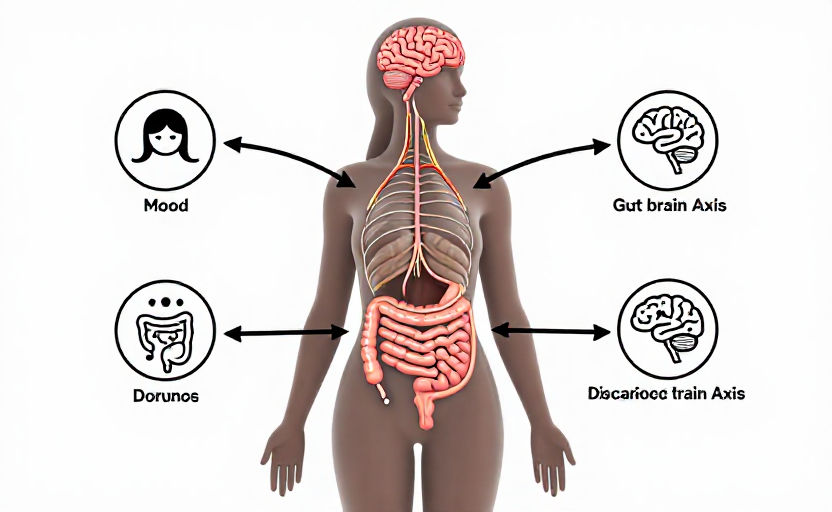
That sinking feeling in your stomach before a big presentation. The loss of appetite when you are anxious. The sudden urge to visit the bathroom when you are nervous. These are not coincidences. They are the most obvious evidence of a sophisticated communication network running between your brain and your digestive system. This is the gut-brain connection, a bidirectional highway that influences your mood, your digestion, your immunity, and even how you think.
While the term sounds complex, the concept is simple: your gut and your brain talk to each other constantly. When that conversation gets disrupted, it sends up flares. Recognizing those specific warning signs early is the practical first step toward restoring balance. This guide explains exactly how the connection works and highlights the red flags you should not ignore.
What Is the Gut-Brain Axis?
The gut-brain axis is the physical and biochemical link between your central nervous system (the brain and spinal cord) and your enteric nervous system (the dense network of neurons lining your digestive tract). Your gut is sometimes called the second brain, because it contains about 100 million neurons — more than exist in either the spinal cord or the peripheral nervous system.
This axis relies on several channels of communication:
- The vagus nerve: This long cranial nerve runs directly from the brainstem down to the abdomen. It is the main physical cable sending signals both ways.
- Neurotransmitters: About 90 to 95 percent of your body's serotonin (the happiness chemical) is actually produced in the gut, not the brain. Your gut also produces dopamine and GABA, all of which influence mood.
- Immune signals: The gut lining houses a large portion of your immune system. Inflammation in the gut can send cytokine signals to the brain, triggering fatigue or brain fog.
- Microbial metabolites: Your gut bacteria produce short-chain fatty acids and other compounds that directly affect brain function.
In short, what happens in your gut does not stay in your gut. It travels straight up that vagus nerve and influences your mental and emotional state, for better or worse.
Warning Signs That Your Gut-Brain Connection Is Off
Disruption in this axis rarely announces itself as a neat diagnosis. Instead, it shows up in patterns that link digestive trouble with mood or cognitive changes. Here are the most practical warning signs to watch for.
Chronic Digestive Discomfort with No Clear Cause
Persistent bloating, gas, constipation, or diarrhea that does not clearly link to food poisoning or an intolerance can signal a communication breakdown. This is often called functional dyspepsia or irritable bowel syndrome (IBS) — conditions where the gut structure looks normal but acts distressed. The brain is sending signals that make the gut overly sensitive or sluggish.
Unexplained Anxiety or Depression
If your mood shifts — especially if you feel anxious for no obvious reason — your gut might be partly responsible. Remember the serotonin production happening in your intestine. When your gut microbiome is unbalanced, it can fail to produce enough of these mood-regulating chemicals. The vagus nerve then carries distress signals to the brain, creating a feeling of unease even when your life circumstances are fine.
Brain Fog and Difficulty Concentrating
That fuzzy-headed feeling, difficulty finding words, or trouble focusing can be a warning sign that inflammation in the gut is affecting the brain. When the gut barrier becomes leaky (a condition called intestinal permeability), inflammatory compounds can enter the bloodstream and trigger neuroinflammation. This directly impairs cognitive function.
Sudden Food Sensitivities
Developing new sensitivities to foods you used to eat without issue is a common red flag. This often indicates that the gut lining has been compromised, and the immune system is now reacting to food particles that should have been kept out. The resulting inflammatory response can travel up the gut-brain axis, worsening mood and fatigue.
Sleep Disruption Linked to Digestion
Your gut microbiome follows a circadian rhythm. When that rhythm gets disrupted — by poor diet, stress, or antibiotic use — your sleep can suffer. If you find yourself waking frequently during the night, especially around 2 or 3 a.m., and also experience morning bloating or irregular bowel habits, the gut-brain axis is likely involved.
What Worsens the Gut-Brain Disconnect?
Several lifestyle factors directly amplify the risk of gut-brain dysfunction. Understanding these helps you read the warning signs more clearly.
- Chronic stress: Stress changes gut motility, increases intestinal permeability, and alters the microbiome composition. This creates a feedback loop where the gut sends distress signals back up to the brain, worsening anxiety.
- Poor diet low in fiber: A diet high in processed foods and low in fiber starves the beneficial gut bacteria, reducing the production of anti-inflammatory compounds that support brain health.
- Overuse of antibiotics: Antibiotics can decimate the gut microbiome diversity. Without a healthy microbial community, the gut-brain connection loses its important chemical messengers.
- Lack of physical movement: Regular movement encourages vagus nerve activity and blood flow to the gut. Sedentarism weakens this signaling.
A practical note: The gut-brain connection is not a diagnosis. These warning signs are clues to discuss with your healthcare provider. Self-treating for leaky gut or dysbiosis without professional guidance can sometimes do more harm than good.
Simple Steps to Support the Gut-Brain Dialogue
Supporting a healthy gut-brain connection does not require a complicated protocol. Focus on the basics, and be consistent.
Eat a Diverse, Fiber-Rich Diet
Variety in plant foods supports a more diverse microbiome, which correlates with better mood and cognition. Aim for thirty different plant foods per week — think nuts, seeds, vegetables, fruits, legumes, and whole grains. Fermented foods such as yogurt, kefir, sauerkraut, and kimchi also provide live bacteria that support diversity.
Manage Stress with the Vagus Nerve in Mind
Deep, slow breathing — at a rate of about six breaths per minute — directly stimulates the vagus nerve. This shifts the nervous system from sympathetic (fight-or-flight) to parasympathetic (rest-and-digest), calming both brain and gut in minutes.
Prioritize Consistent Sleep
Aim for the same bedtime and wake-up time, even on weekends. The gut microbiome adapts to your schedule, and a regular rhythm helps maintain a healthy circadian alignment between gut and brain.
Move Your Body Daily
Even a twenty-minute walk stimulates vagus nerve activity and increases gut motility. Gentle movement like walking, yoga, or stretching is particularly effective because it avoids triggering the stress response that intense exercise may provoke.
The gut-brain connection is not a wellness trend — it is a real physiological axis that affects how you feel physically and mentally every single day. The warning signs are not always loud. They are often subtle: a low mood that lingers, digestion that feels off, or a fog that lifts and returns. When you notice these signals together, consider them a message from your second brain. Listening to that message is the most practical thing you can do.