
If you work nights, rotating shifts, or early mornings, you’ve probably noticed that a full night of sleep doesn’t always feel restorative. That’s because shift work doesn’t just steal hours—it fundamentally rewires your body’s recovery timeline. Unlike someone who can reset after a single bad night, your circadian rhythm is constantly battling conflicting cues from light, schedule, and social life.
This article breaks down exactly how shift work disturbs each phase of sleep recovery, why it can take days to bounce back, and which practical adjustments offer the most help. We’ll stay grounded in the science without prescribing medications or rigid sleep schedules.
What happens to your sleep architecture on a rotating schedule
Your body relies on two internal systems to regulate sleep: the circadian clock (which responds to light) and the homeostatic sleep drive (which builds pressure the longer you stay awake). In a typical daytime worker, these systems align neatly. But when your work schedule shifts by six or more hours, the mismatch creates what researchers call circadian misalignment.
This misalignment specifically disrupts non-rapid eye movement (NREM) sleep—the deep, restorative stage where tissue repair, immune function, and memory consolidation happen. The result is that even if you log seven hours, you may spend far less time in slow-wave sleep and REM sleep. Over several days, this deficit accumulates and your recovery timeline stretches from one night to three or four.
Why recovery takes longer than you think
Most people assume that one day off can fix everything. But the timeline for full sleep recovery after a stretch of night shifts is longer than popular wisdom suggests. Studies indicate that after five consecutive night shifts, the circadian system can take two to four days to realign, even with optimal light management. That means your sleep efficiency, reaction time, and mood may remain below baseline for nearly half the following week.
Factors that extend the timeline:
- Frequent rotation (e.g., switching day to night within the same week)
- Children or family commitments that force early waking after a night shift
- Caffeine use late in the shift, which delays sleep onset and reduces REM depth
- Evening social events that push bedtime later on days off
On the other hand, recovery can be accelerated by consistent sleep-wake timing (even on days off), strategic use of bright light during the first half of a night shift, and avoiding bright light on the commute home.
The role of light and darkness in resetting the clock
The single strongest cue for your biological clock is light. During a standard day, bright morning sunlight signals the brain to suppress melatonin and raise alertness. For night workers, the challenge is that the commute home often coincides with sunrise, which tells the body to wake up just as you are trying to fall asleep.
Practical steps that support your recovery timeline:
- Wear blue-blocking glasses during the last two hours of a night shift and on the drive home
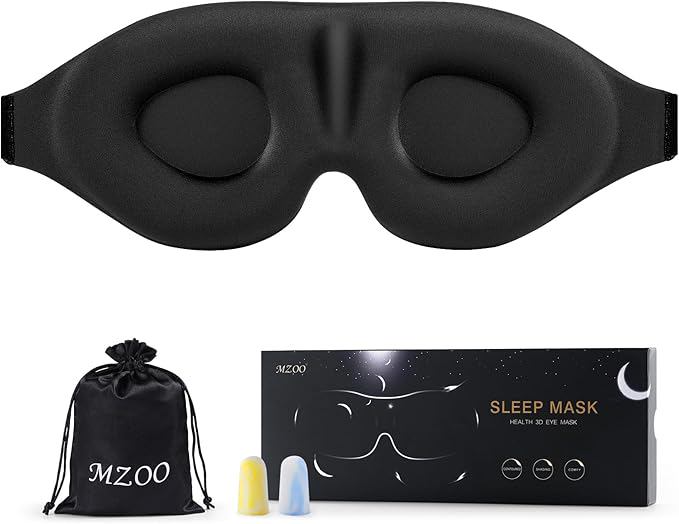
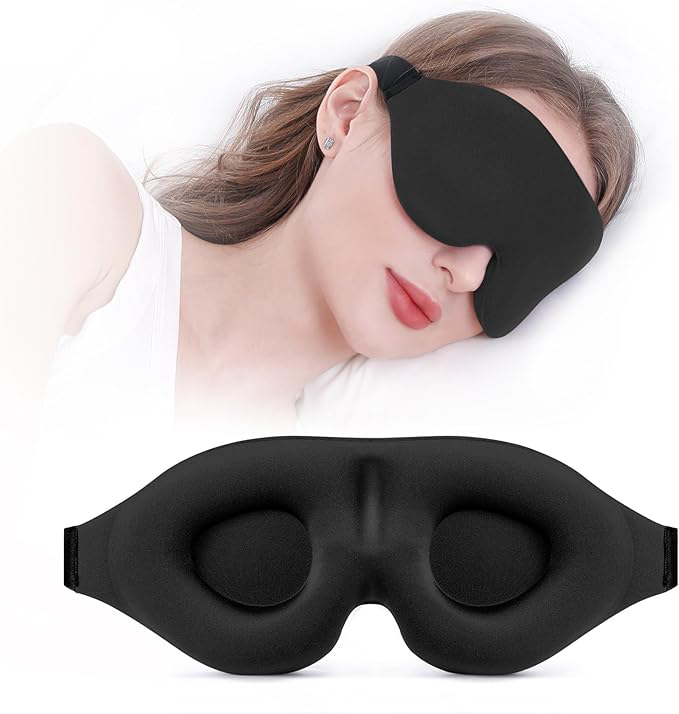
- Create a cave-like sleep environment: blackout curtains, no screens, and a cool room temperature (65–68°F / 18–20°C)
- Limit bright light exposure for at least four hours before your intended daytime bedtime
When you do sleep, even a short nap before a night shift (20–30 minutes) can improve alertness without blunting your sleep drive for the main sleep period afterward.
Napping as a recovery tool
Naps are one of the few evidence-backed strategies for shift workers, but timing matters. A 90-minute nap before a night shift can improve performance by reducing sleep inertia upon waking. Shorter 20-minute naps during a break can help sustain alertness, but only if taken before 2:00 a.m. in most circadian rhythms.
If you are on a rapid rotation schedule, a pre-planned nap before a long shift may be more beneficial than trying to bank extra hours on the weekend—because those weekend hours often come at the wrong circadian time and do not produce the same restorative depth.
Social and metabolic factors that slow recovery
Sleep recovery is not just about the minutes spent in bed. Your body's ability to repair depends on meal timing, stress levels, and social demands. Eating a heavy meal right before a day sleep can disrupt digestion and increase awakenings. Evening caffeine or nicotine can delay REM onset by hours.
Additionally, shift workers are more likely to experience low vitamin D from limited sun exposure, which is linked to poorer sleep quality and mood. A simple blood test can check levels, and if low, a supplement with vitamin D3 (600–800 IU daily, per general guidelines) may support sleep regulation—though always check with a healthcare provider for your specific needs.
A quick tip: If you must eat during a night shift, choose a light protein-based meal over heavy carbs, which can spike blood sugar and make you feel drowsy at the wrong times.
How to tell if your recovery timeline is off track
You don’t need a sleep lab to know when circadian recovery is lagging. Watch for these signs:
- Feeling unrefreshed after seven or more hours in bed
- Drowsiness during driving home, even after caffeine
- Difficulty falling asleep at your intended bedtime, or waking up after only three or four hours
- Irritability, brain fog, or a sense of detachment from daily life
If any of these persist for more than a few days after a rotation change, it may be worth speaking with a sleep medicine specialist—not for a prescription, but for targeted behavioral strategies.
Shift work is a reality for millions, and your ability to recover from irregular schedules can be improved with consistent habits rather than quick fixes. By respecting your body’s internal clock—through light management, strategic napping, and careful meal timing—you can compress that recovery timeline from several days to 48–72 hours. It’s not perfection, but it’s a practical path toward better rest.