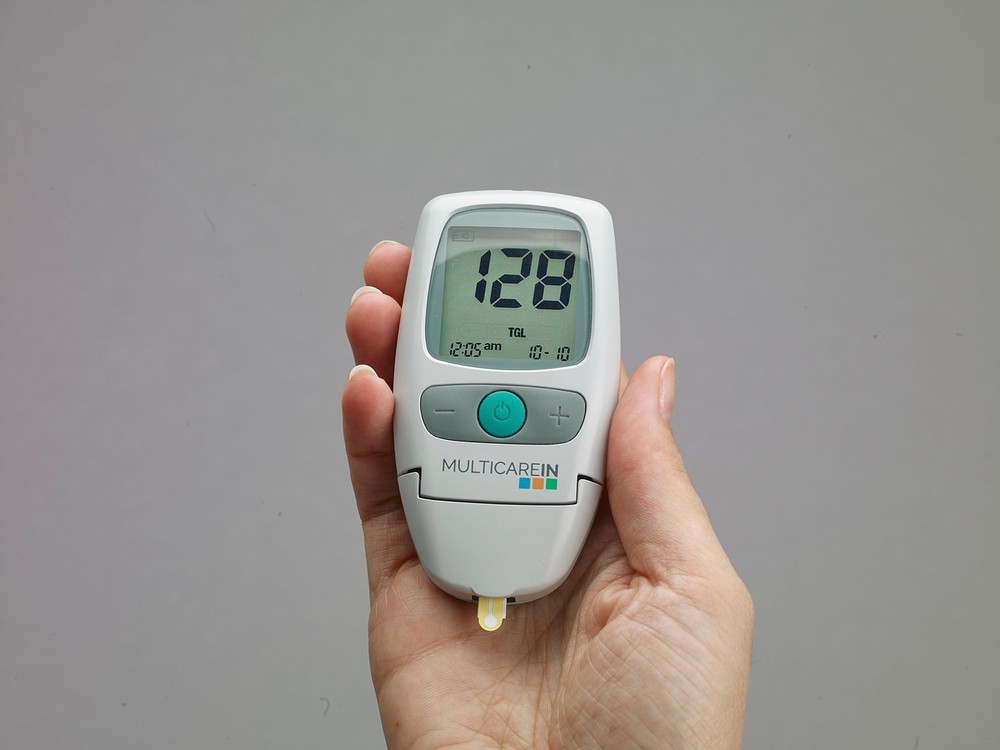
You know the shaky, sweaty, confused feeling that can come on without warning. For anyone living with diabetes—or caring for someone who does—that moment raises a pressing question: how low is too low? Understanding where the danger zone begins and recognizing the early whispers of hypoglycemia can make the difference between a quick snack and an emergency room visit.
Hypoglycemia isn't just an inconvenience. It is a genuine medical event where brain function and physical coordination start to slip. Let's cut through the numbers and symptoms so you know exactly what to watch for and when to act.
What blood sugar number counts as dangerously low?
Most medical guidelines set 70 mg/dL (3.9 mmol/L) as the official threshold for hypoglycemia. But here is the nuance: not every person feels symptoms at exactly the same number. For some individuals, especially those with well-controlled diabetes, symptoms can appear at 80 mg/dL. Others with chronically high blood sugar may feel fine at 65 mg/dL—though that doesn't mean it's safe.
The American Diabetes Association defines level 1 hypoglycemia as a glucose reading between 54 and 69 mg/dL. This is the zone where you can typically self-treat with fast-acting carbs. Level 2 hypoglycemia (below 54 mg/dL) is considered clinically serious and requires immediate intervention. Level 3 is a severe event involving cognitive impairment or unconsciousness, regardless of the exact number on the meter.
One important caveat: if you use a continuous glucose monitor (CGM), remember that interstitial fluid readings lag behind actual blood glucose by about 5 to 15 minutes. Always confirm with a fingerstick before treating a low if your CGM shows a borderline number and you have no symptoms.
The key number to remember: anything below 54 mg/dL is a red flag, but symptoms can start well before that. Trust your body more than the meter alone.
Early warning signs that your glucose is dropping
Hypoglycemia symptoms tend to follow a pattern, but they can vary from person to person and even episode to episode. The early autonomic symptoms happen when your body releases adrenaline to try to raise your blood sugar. These are your first clues:
- Shakiness or trembling in your hands or legs
- Sweating, even when you aren't hot or exerting yourself
- Rapid heartbeat or palpitations
- Sudden hunger, especially with a gnawing or urgent feeling
- Anxiety or nervousness that seems to come out of nowhere
- Nausea or a vague sense of unease
As the glucose level continues to fall, neuroglycopenic symptoms emerge because the brain isn't getting enough fuel. These are more dangerous:
- Confusion, difficulty concentrating, or slow thinking
- Slurred speech, similar to someone who has had too much alcohol
- Blurred or double vision
- Clumsiness, unsteady gait, or difficulty with fine motor tasks
- Drowsiness or extreme fatigue
- Headache that develops gradually
Why some people don't feel their lows
Here is where things get tricky. Hypoglycemia unawareness occurs when the body stops producing the usual adrenaline response. This is most common in people who have frequent low episodes, those who have had diabetes for many years, or individuals taking certain medications like beta-blockers that blunt the physical symptoms.
If you have hypoglycemia unawareness, you might not feel shaky or sweaty until your blood sugar is already dangerously low. This increases the risk of severe events, including loss of consciousness or seizures. The only reliable solution is to avoid low blood sugar for a period of weeks to months, which can retrain your body to detect the early warning signals again.
Anyone with recurrent hypoglycemia should discuss this with their healthcare provider. A temporary relaxation of glucose targets may help restore awareness.
What to do when you catch a low early
The rule of 15-15 is a widely taught approach, and it works because it prevents overcorrecting. When you detect a low (symptomatic or a reading under 70 mg/dL):
- Consume exactly 15 grams of fast-acting carbohydrate. Good options include four glucose tablets, half a cup of fruit juice or regular soda, one tablespoon of honey or sugar, or a small handful of jellybeans.
- Wait 15 minutes. Do not eat more during this time.
- Recheck your blood sugar. If it is still below 70 mg/dL, repeat the process.
- Once your glucose is above 70 mg/dL, eat a small snack with protein or complex carbs (like half a sandwich or apple with peanut butter) to prevent another drop.
Avoid the temptation to eat an entire candy bar or drink a large juice. That will send your blood sugar soaring high, leading to a frustrating rebound that is hard to manage.
When to call for emergency help
Some situations require more than a snack. Seek immediate medical attention if you or someone near you has any of the following:
- Confusion that makes conversation impossible
- Inability to swallow safely
- Loss of consciousness or unresponsiveness
- Seizures or convulsions
- Blood sugar that stays below 54 mg/dL despite two rounds of 15-15 treatment
In an emergency, never try to force food or drink into an unconscious person—they can choke. Glucagon injection or nasal powder (available by prescription) is the appropriate treatment. Family members and close friends should be trained on how to administer it.
Keep a glucagon kit within easy reach and make sure at least two people in your household know how to use it. Practice with a training device, not the real injection, so the steps are automatic in a crisis.
How to prevent lows from happening in the first place
The best treatment for hypoglycemia is preventing it. While no approach is perfect, these habits significantly reduce your risk:
- Match food to medication timing. If you take rapid-acting insulin, eat your meal immediately afterward. If you use intermediate or long-acting insulin, keep your meal schedule consistent day to day.
- Check your glucose before driving. It is not worth the risk. Treat any low before you get behind the wheel, even if you feel fine.
- Adjust for physical activity. Exercise can lower blood sugar for up to 24 hours. Reduce your insulin dose beforehand or eat a small carb snack before a workout, depending on your doctor's recommendations.
- Be cautious with alcohol. Drinking, especially on an empty stomach, can cause a delayed drop in blood sugar hours later. Never drink without eating food, and check your glucose before bed.
- Use technology wisely. CGM alarms that sound at 80 mg/dL can give you a head start. If you ignore alerts, adjust your threshold higher so you have more time to react.
Ultimately, the exact number that is "too low" for you is the one that makes you feel unsafe or unable to function. The better you know your own patterns, the quicker you will catch it. That awareness—more than any single meter reading—is your strongest protection.