
You might blame stress, caffeine, or a racing mind for your restless nights. But often, the real culprits are hiding in plain sight: the glow of a charger light and the hum of a distant appliance. Light and noise are two of the most pervasive — and most overlooked — disruptors of deep sleep. They don't just annoy you; they fundamentally alter your brain's ability to enter and stay in restorative stages of rest. Here's how they do their damage and, more importantly, what you can do about it without remodeling your bedroom.
How light hijacks your internal clock
Your body relies on a master clock in the brain called the suprachiasmatic nucleus (SCN). This cluster of cells uses light signals from your eyes to set your circadian rhythm. When the sun goes down, the SCN tells your pineal gland to release melatonin, the hormone that prepares your body for sleep. But when artificial light enters your eyes — even a sliver under the door or the standby light on a TV — that signal gets confused. The SCN thinks it's still daytime and suppresses melatonin production. You may still fall asleep, but your sleep will be lighter and more fragmented.
Blue light, the kind emitted by phone screens, tablets, and energy-efficient LED bulbs, is the most potent suppressor of melatonin. A 2019 study in Chronobiology International found that just 90 minutes of tablet use before bed delayed melatonin onset by roughly three hours. But it's not just screens. Tiny LEDs on smoke detectors, power strips, and laptop chargers can collectively keep your melatonin levels measurably lower throughout the night.
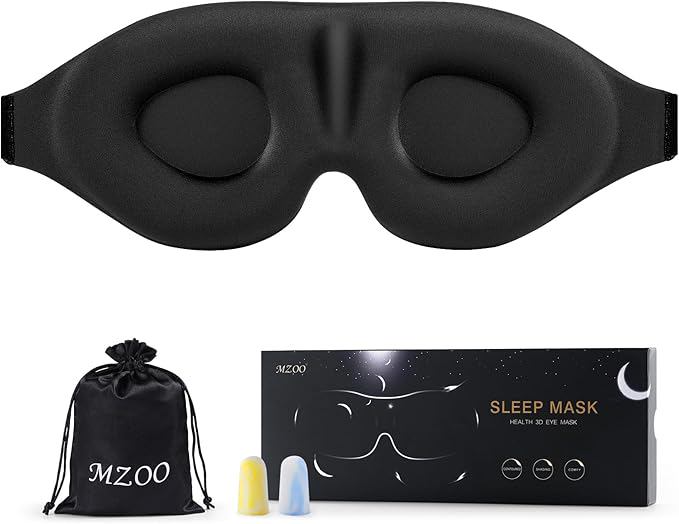
The fix: Treat your bedroom like a cave. Use blackout curtains, cover glowing electronics with electrical tape, and wear a sleep mask if needed. For unavoidable screens, use built-in night mode settings that shift the screen to warmer tones.
Why unwanted noise keeps you in light sleep
Your brain never truly stops listening. Even when you're unconscious, your auditory system processes sounds and evaluates them for threat. This is a survival mechanism — it's why a parent wakes at a baby's whimper but sleeps through a passing train. The problem starts when your brain remains in a semi-alert state because of persistent noise. You may not fully wake up, but you won't enter the slow-wave and REM sleep stages that restore your body and mind.
Noise doesn't have to be loud to be disruptive. A study from the Journal of Sleep Research found that intermittent sounds — a dripping faucet, a neighbor's muffled conversation, street traffic — are more harmful than constant sound because the brain tries to determine if each new noise is dangerous. This prevents the prolonged deep sleep needed for memory consolidation and immune repair. Even sounds as low as 30 decibels, like a whisper or a refrigerator hum, can increase nighttime heart rate and cortisol levels.
The silent killer: unexpected silence
Paradoxically, absolute silence can also create problems. Some people become hyperaware of the quiet, which can worsen insomnia. The goal isn't zero sound but predictable, low-level ambient sound that your brain can classify as non-threatening. Constant white noise or nature sounds work well because they remain steady, giving your auditory system nothing new to interpret.
How light and noise team up to steal your rest
The damage isn't additive; it's synergistic. A room with both a pesky light and an intermittent noise creates a double burden on your sleep architecture. The light keeps your internal clock slightly out of sync, while the noise forces your brain into a state of low-grade vigilance. Together, they prevent the body from reaching the physical stillness and low brain-wave activity that define deep sleep. Over months and years, this combination has been linked to higher rates of insulin resistance, weight gain, depression, and cognitive decline. In a 2023 study from Environmental Health Perspectives, participants who slept with even dim light (around 50 lux, roughly the light of a nightlight) showed elevated heart rates and insulin resistance the next morning compared to those in total darkness.
Practical steps to reclaim your sleep environment
You don't need a blackout bunker or soundproof walls. Small, incremental changes create meaningful improvement quickly.
- Perform an evening audit. Ten minutes before bed, walk through your bedroom and unplug or cover every tiny light source. This includes routers, cable boxes, phone chargers, and power strips. Use blue LED tape or nail polish to dull unavoidable lights.
- Upgrade your window treatments. Affordable blackout curtains or fitted eye masks block more than just light — they signal to your brain that it's safe to release melatonin.
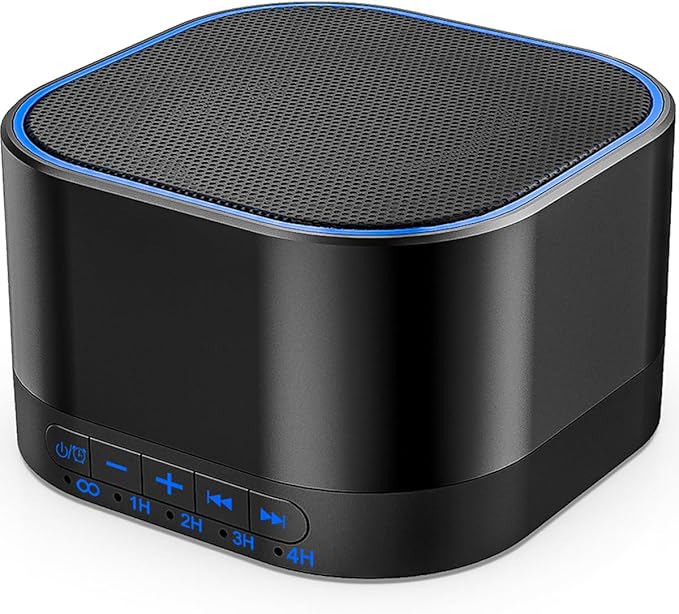
- Layer your sound strategy. If you can't eliminate noise (a highway, thin walls, a snoring partner), use a white noise machine, a fan, or a neutral phone app playing steady rain or static. Keep the volume low — just enough to cover the peaks of outside noise, not drown them out.
- Keep electronics out of reach. Move your phone to the other side of the room or in another room entirely. The light from its screen when you check a notification late at night resets your melatonin suppression. Plus, the potential for incoming calls or vibrations becomes an unpredictable noise event.
- Try a sunrise alarm. Instead of a sudden alarm tone in the dark, a gradual light alarm that mimics dawn can help your body wake naturally. This reduces the noise shock and supports your circadian rhythm rather than fighting it.
The deeper question: are you sensitive to your environment?
Some people shrug off a glowing charger and a distant train; others feel their sleep quality drop from a single floorboard creak. Individual sensitivity differs based on genetics, age, and sleep debt. If you're a light or noise-sensitive sleeper (and you probably are if you're reading this), you need stricter controls. The good news is that these elements are modifiable. Once you understand how light and noise interact with your nervous system, your bedroom becomes a sanctuary you can actively design — rather than a room you just happen to sleep in.
Small changes compound. Tonight, start with one thing: cover the light, soften the noise, and notice how your morning feels. Your brain will thank you.