
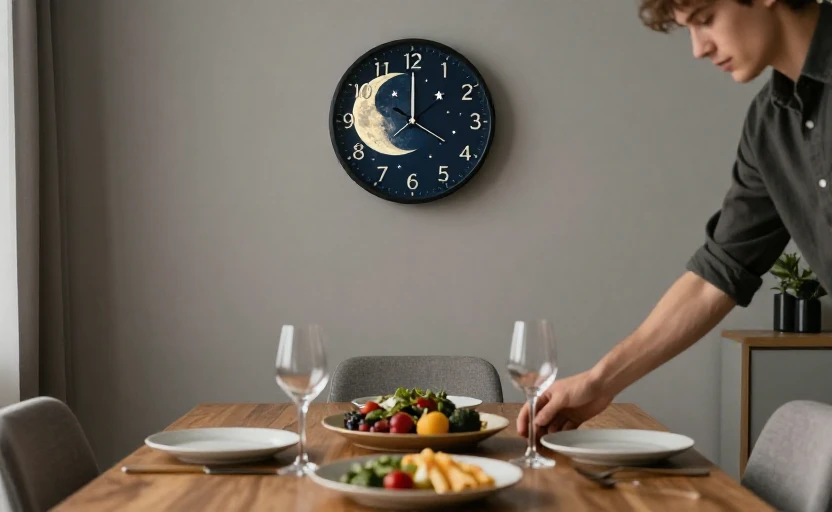
You’ve dimmed the lights, put your phone away, and settled into a comfortable bedtime routine. Yet, sleep remains elusive, or the quality feels shallow and unrefreshing. Often, the culprit isn’t just your evening habits—it’s what’s happening in your kitchen. The timing and composition of your last meal can be a powerful, yet frequently overlooked, lever for improving sleep quality.
It’s not about rigid rules or going to bed hungry. Instead, it’s about aligning your eating patterns with your body’s natural circadian rhythms to support, rather than disrupt, the complex process of falling and staying asleep. We spoke with dietitians to translate the science into practical, gentle guidance for your evening plate.
Why Meal Timing Matters for Sleep
Your body runs on a master internal clock that regulates everything from hormone release to body temperature. This circadian rhythm also governs digestion and sleep-wake cycles. Eating a large, heavy meal too close to bedtime forces your digestive system to work overtime when it should be winding down. This can lead to discomfort, acid reflux, and a core body temperature that’s elevated—a state incompatible with the temperature drop needed to initiate sleep.
Furthermore, the timing of food intake influences the production of sleep-related hormones. Late-night eating can blunt the natural nighttime rise of melatonin, your body’s primary sleep signal, and may affect cortisol patterns, keeping your system in a subtly alert state.
The goal is to give your body the space to transition from ‘feast’ mode to ‘rest and repair’ mode.
The Ideal Window: More Art Than Science
You’ll often hear the guideline to finish eating 2–3 hours before bed. This is a helpful starting point for most people, but dietitians emphasize it’s not a one-size-fits-all rule. The ideal window depends on your individual metabolism, the size and content of your meal, and your personal sleep schedule.
For a standard dinner, aiming for that 2–3 hour buffer allows for significant digestion to occur. Stomach emptying slows down at night, so a larger meal may need even more time. A smaller, lighter snack might be comfortably consumed a bit closer to bedtime if needed to prevent hunger pangs from keeping you awake.
Listen to your body. If you consistently experience heartburn, bloating, or restless sleep after late meals, pushing your dinnertime earlier is a strong first step to experiment with.
What to Eat (and Avoid) in the Evening
Timing is one piece of the puzzle; the composition of your last meal is equally important. The focus should be on foods that promote satiety and provide nutrients that support sleep physiology, while avoiding those that are stimulating or difficult to digest.
Consider including:
- Complex carbohydrates: Foods like whole grains, sweet potatoes, or oats can help tryptophan—an amino acid precursor to melatonin and serotonin—cross the blood-brain barrier.
- Lean proteins: A modest portion of turkey, chicken, fish, tofu, or legumes provides tryptophan. Avoid very high-fat protein sources like greasy meats, which digest slowly.
- Magnesium-rich foods: This mineral acts as a natural muscle relaxant. Think leafy greens, nuts, seeds, and bananas.
- Small amounts of healthy fats: A little avocado or olive oil can aid satiety, but large amounts of fried or very rich foods will delay digestion.
It’s wise to be mindful of:
- Caffeine: Its effects can linger for 6–8 hours. Consider a cut-off time in the early afternoon.
- Alcohol: While it may induce drowsiness initially, it fragments sleep architecture and often causes awakenings later in the night.
- High-sugar foods and refined carbs: These can cause blood sugar spikes and crashes, potentially leading to nighttime awakenings.
- Spicy and acidic foods: These are common triggers for heartburn, especially when lying down.
- Excessive fluids: Hydrate well earlier in the day, but taper off liquids 1–2 hours before bed to minimize sleep-disrupting trips to the bathroom.
Navigating Real-Life Scenarios
Life isn’t always ideal. You might work late, have social commitments, or simply feel hungry. The key is adaptability.
If dinner must be late, opt for a lighter, easier-to-digest meal. A bowl of soup with vegetables and beans, or a small piece of fish with roasted vegetables, is a better choice than a heavy steak and fries. If you’re hungry an hour before bed, a small snack is preferable to lying awake with a growling stomach. Dietitians often suggest options like a few almonds and a piece of fruit, a small bowl of cottage cheese, or a slice of whole-grain toast with a thin spread of nut butter.
The consistency of your schedule matters, too. Try to eat your meals at roughly the same times each day, even on weekends. This regularity reinforces your circadian rhythm, making it easier for your body to anticipate and prepare for both digestion and sleep.
Ultimately, finding your optimal last meal timing is a personal experiment. Start by gently shifting your dinner 30 minutes earlier for a week and observe any changes in your sleep quality or morning energy. Pay attention to how different foods make you feel at night. This isn’t about restriction, but about nurturing your body’s innate need for restorative rest. By creating a little more space between your last bite and your bedtime, you’re giving your body the quiet it needs to truly recharge.