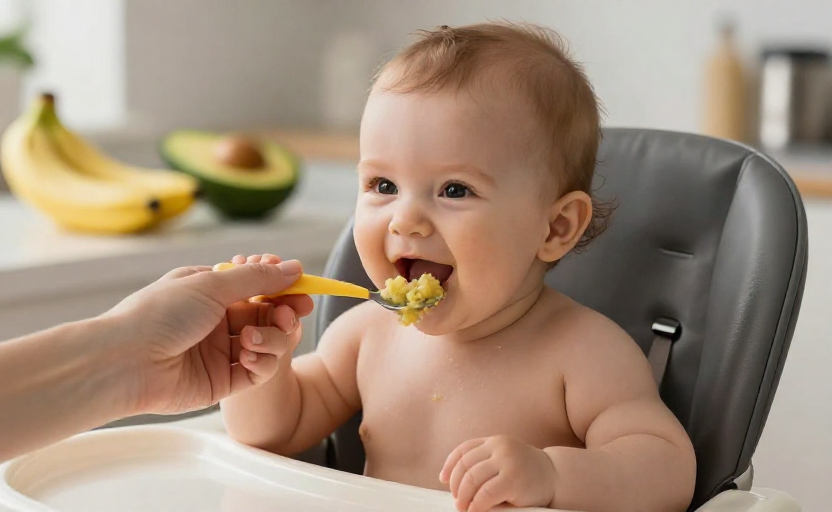
Introducing your baby to solid foods is a milestone filled with excitement, messy faces, and a fair share of parental worry. It’s natural to wonder what’s safe, what’s nutritious, and what’s best to hold off on. While the world of purees and finger foods opens up a new realm of exploration, knowing which foods to avoid during these early months is just as important as knowing which to offer.
This guidance isn’t about fostering fear, but about providing a clear, calm map for this new journey. The recommendations are based on widely accepted pediatric guidelines aimed at minimizing risks of allergies, choking, and exposure to substances that tiny, developing systems aren’t yet ready to handle.
Why are some foods off-limits for babies?
Before we get to the specific list, it helps to understand the “why” behind the advice. The primary concerns when starting solids are choking hazards, allergic reactions, and the immature digestive and immune systems of infants under one year. Some foods pose a physical risk because of their size or texture, while others contain components like honey or excess sodium that a baby’s body cannot process safely.
The goal isn't to restrict, but to introduce the widest variety of safe, healthy foods at the appropriate time.
Key foods and ingredients to avoid
Keeping these core principles in mind, here are the main categories and specific foods to steer clear of as you begin.
1. Choking hazards
This is the most immediate safety concern. Foods that are hard, round, slippery, or sticky can easily block a small airway. Always prepare foods in a way that minimizes risk—think soft, mushy, or cut into thin, manageable pieces.
- Whole nuts and seeds: These are firm and round. Nut butters can also be a risk if served in a thick glob; always thin them with water, breast milk, or formula and spread thinly.
- Whole grapes, cherry tomatoes, and berries: Their size and shape are perfect for blocking an airway. Always cut them into quarters or smaller pieces.
- Chunks of hard cheese or meat: Offer cheese in very thin slices or shredded, and ensure meat is cooked until very tender and shredded or cut into tiny pieces.
- Popcorn, hard candy, and chewing gum: These are obvious risks and have no place in a baby’s diet.
- Raw, hard vegetables: Carrots, apples, or celery should be cooked until soft or grated finely.
2. Honey and unpasteurized foods
Honey, including in baked goods or cereals, is a strict no until after the first birthday. It can contain bacterial spores that cause infant botulism, a rare but serious illness. Similarly, avoid any unpasteurized juices, milks, or cheeses (often labeled “raw”), as they can harbor harmful bacteria like E. coli or Listeria.
3. Added sugars and salt
A baby’s kidneys are not mature enough to process large amounts of sodium, and developing a preference for sweet or salty foods can set unhelpful patterns. Avoid:
- Processed foods marketed for adults (like canned soups, sauces, or snacks).
- Sweetened yogurts, puddings, or cereals. Opt for plain, full-fat versions.
- Juices and sugary drinks. Breast milk, formula, and later, small amounts of water with meals are sufficient.
4. Certain fish and potential allergens (proceed with guidance)
This category requires nuance. While it was once common to delay allergenic foods, current guidance suggests that early introduction of peanuts and eggs, for example, may actually help prevent allergies. However, this should be done deliberately and safely.
- High-mercury fish: Avoid shark, swordfish, king mackerel, and tilefish. Instead, choose low-mercury options like salmon, light tuna, and cod.
- Common allergens (peanut, egg, dairy, wheat, soy, tree nuts, sesame, shellfish): Discuss a plan with your pediatrician. Introduce these one at a time, in small amounts, at home (not at daycare), and watch for any reaction. For infants at high risk of peanut allergy, introduction may happen as early as 4-6 months under medical supervision.
How to introduce new foods safely
The “how” is as important as the “what.” Follow these practices to make the introduction process smooth and safe.
Always supervise your baby while they are eating. Ensure they are sitting upright, not leaning back or playing. Start with single-ingredient foods, waiting 3-5 days before introducing another new food. This makes it easier to identify the cause if an allergic reaction, like hives, vomiting, or difficulty breathing, occurs. If you suspect a severe allergic reaction, seek emergency medical care immediately.
Texture progression is key. Begin with very smooth purees around 6 months, then move to thicker, mashed consistencies, followed by soft, finger-sized pieces as your baby develops the pincer grasp and chewing motions.
Creating a positive feeding environment
Beyond the safety rules, your attitude sets the stage. Let mealtime be exploratory and low-pressure. Your job is to offer a variety of safe, nutritious options; your baby’s job is to decide what and how much to eat. It’s normal for them to make faces, spit food out, or reject a food entirely. It can take 10-15 exposures for a baby to accept a new taste or texture.
Trust your instincts and your pediatrician’s advice. This phase is a foundation for a lifetime of healthy eating, built one messy, wonderful spoonful at a time.