
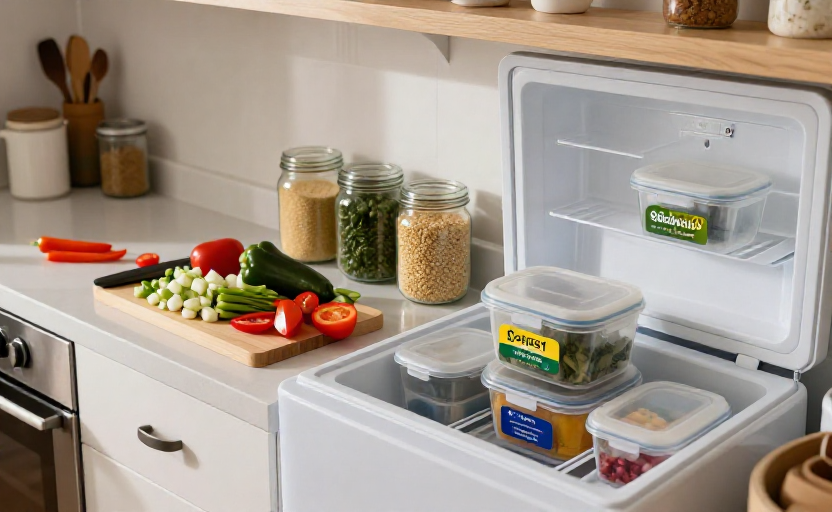
The arrival of a newborn reshapes every part of your daily life, especially the kitchen. Between feedings, diaper changes, and the sheer exhaustion of new parenthood, the simple question of “What’s for dinner?” can feel monumental. The solution isn’t about gourmet cooking; it’s about gentle, sustainable planning. With a bit of strategic meal prep, you can nourish your family, reduce daily stress, and reclaim precious moments for rest and connection during those first transformative months.
This approach centers on simplicity, flexibility, and grace. Your goal is to eat, not to achieve culinary perfection. The strategies here are designed to work within the unpredictable rhythm of life with an infant, helping you build a small reservoir of ready-to-go meals that will carry you through the weeks.
Shifting your mindset: nourishment over perfection
First, release any expectation of elaborate, from-scratch meals every night. For now, nourishment means anything that provides energy and comfort with minimal effort. A bowl of hearty soup, a baked potato with toppings, or a simple grain bowl all count as wins. The focus is on assembling components rather than executing complex recipes.
Your kitchen goal is not to be a chef, but a gentle curator of easy, satisfying food.
Embrace shortcuts without guilt. Pre-washed greens, frozen vegetables, pre-cooked grains, and quality canned beans are your allies. They cut down on prep time and cleanup, which are valuable commodities. Think of meal prep as building a toolkit of ready ingredients you can combine in different ways throughout the week.
Core strategies for sustainable prep
Effective meal prep with a new baby is less about a single marathon session and more about integrating small, manageable tasks into your new routine.
Batch-cook foundational ingredients
Instead of preparing entire meals, cook large batches of versatile bases. This gives you maximum flexibility. On a day when you have a spare half-hour (perhaps during a nap), cook a big pot of:
- Grains: Quinoa, brown rice, or farro.
- Proteins: A tray of baked chicken thighs, a pot of lentils, or a few cans of seasoned black beans.
- Roasted vegetables: Chop sweet potatoes, broccoli, and bell peppers, toss with oil, and roast on a single sheet pan.
Store these components separately in the fridge. Throughout the week, you can mix and match them into bowls, salads, wraps, or quick stir-fries.
Master the freezer stash
Your freezer is your most reliable teammate. Focus on foods that freeze and reheat well. In the final weeks of pregnancy or on a calm weekend, double or triple recipes for:
- Hearty soups, stews, and chilies (store in individual portions).
- Marinara or bolognese sauce.
- Burritos or breakfast sandwiches, wrapped individually.
- Muffins or lactation cookies for quick snacks.
Label everything with the date and contents. When you’re too tired to think, you can simply pull a ready-made meal from the freezer.
Embrace one-handed, nourishing snacks
For the parent who is often holding or feeding a baby, easy-to-eat snacks are essential. Keep a stocked “snack station” in the fridge and pantry with items like hard-boiled eggs, cheese sticks, yogurt cups, nut butter packets, whole fruit, trail mix, and granola bars. Hydration is also crucial, so keep a large water bottle with a straw within reach at all times.
Sample prep plan for a calmer week
Here’s a realistic look at how this might come together. You don’t need to do all of this; even one or two steps will help.
Sunday (or your chosen day):
- Cook 2 cups of dry quinoa or rice.
- Roast two sheet pans of mixed vegetables (e.g., cauliflower, carrots, onions).
- Hard-boil half a dozen eggs.
- Wash and chop lettuce or spinach for salads.
- Prepare a large batch of overnight oats in jars for breakfasts.
Weekday Meals (assembled in 10-15 minutes):
- Lunch Bowl: Quinoa + roasted veggies + a can of chickpeas + a drizzle of tahini.
- Quick Dinner: Reheat a frozen portion of soup, serve with a side salad.
- Breakfast: Grab a jar of overnight oats and a piece of fruit.
Simplifying grocery shopping and accepting help
Use grocery delivery or pickup services without hesitation. They save energy and time. Keep a running list on your phone, and focus on replenishing your core components: fresh produce, proteins, and pantry staples.
When friends or family ask how they can help, be specific. “We’d love a home-cooked meal” is a perfect answer. You can also suggest they pick up a few grocery items for you. Most people are genuinely happy to have a concrete way to support you.
Remember, this season is temporary. Your meal prep routine will evolve as your baby grows and sleeps more predictably. For now, celebrate the small victories—a prepared meal, a nourishing snack, a kitchen that doesn’t feel like a burden. By prioritizing simple, strategic food preparation, you’re caring for your family’s well-being and your own, one gentle step at a time.