
Most people who menstruate know the feeling: a sudden wave of irritability, sadness, or anxiety that seems to arrive like clockwork in the days before their period. It's easy to dismiss these mood changes as just part of the monthly package, and often, they are. But there's a difference between typical premenstrual syndrome (PMS) and more severe mood disturbances that signal it's time to talk to a healthcare provider.
Understanding where that line falls can be confusing. You might wonder if your experience is normal or if you're dealing with something more serious, like premenstrual dysphoric disorder (PMDD). This article offers expert-backed guidance on recognizing when PMS mood changes warrant professional support, while also covering the nutritional strategies that can help stabilize mood during the luteal phase.
What are typical PMS mood symptoms?
For many, PMS brings mild to moderate emotional shifts. You might feel more tearful, quick to anger, or socially withdrawn. These feelings usually begin after ovulation, resolve within a few days of your period starting, and don't drastically interfere with your daily life. Common emotional symptoms include:
- Irritability or anger
- Mild depression or sadness
- Anxiety or tension
- Mood swings
- Difficulty concentrating
- Fatigue or low energy
If these symptoms are manageable and don't prevent you from going to work, maintaining relationships, or enjoying activities, they are typically considered within the range of normal PMS.
When do PMS mood changes require a doctor's visit?
The key difference between PMS and a condition like PMDD lies in the severity and impact on functioning. You should consider seeking help if you experience any of the following:
- Your mood feels uncontrollable: You have intense rage, panic attacks, or persistent suicidal thoughts.
- Symptoms last longer than usual: The emotional distress extends well into your period or continues after it ends.
- Your daily life is disrupted: You are missing work, avoiding social interactions, or struggling to care for yourself or your family.
- You feel hopeless or depressed: A low mood that fits a cyclic pattern but feels deep and unshakable.
- You have a history of depression or anxiety: PMS can exacerbate underlying mental health conditions.
If you are having thoughts of self-harm or suicide, call or text 988 (in the U.S.) to reach the Suicide & Crisis Lifeline. Help is available 24/7.
A healthcare provider can assess your symptoms, often using a daily symptom tracker for two cycles, to distinguish between PMS and PMDD. They may also rule out other conditions like thyroid disorders or depression that can mimic PMS.
The role of micronutrients in mood regulation
While seeking professional advice for severe symptoms is critical, nutrition can play a supportive role for those with milder PMS-related mood changes. According to dietitian Priya Palan of Zen Multispeciality Hospital in Mumbai, the right micronutrients can help regulate metabolism at the cellular level and ease emotional symptoms.
“The symptoms that many women experience during their menstrual cycles can be dealt with the consumption of micronutrients in the diet,” Palan explains. Below are key nutrients that research links to better mood and reduced PMS severity.
Magnesium and vitamin B6 for mood swings
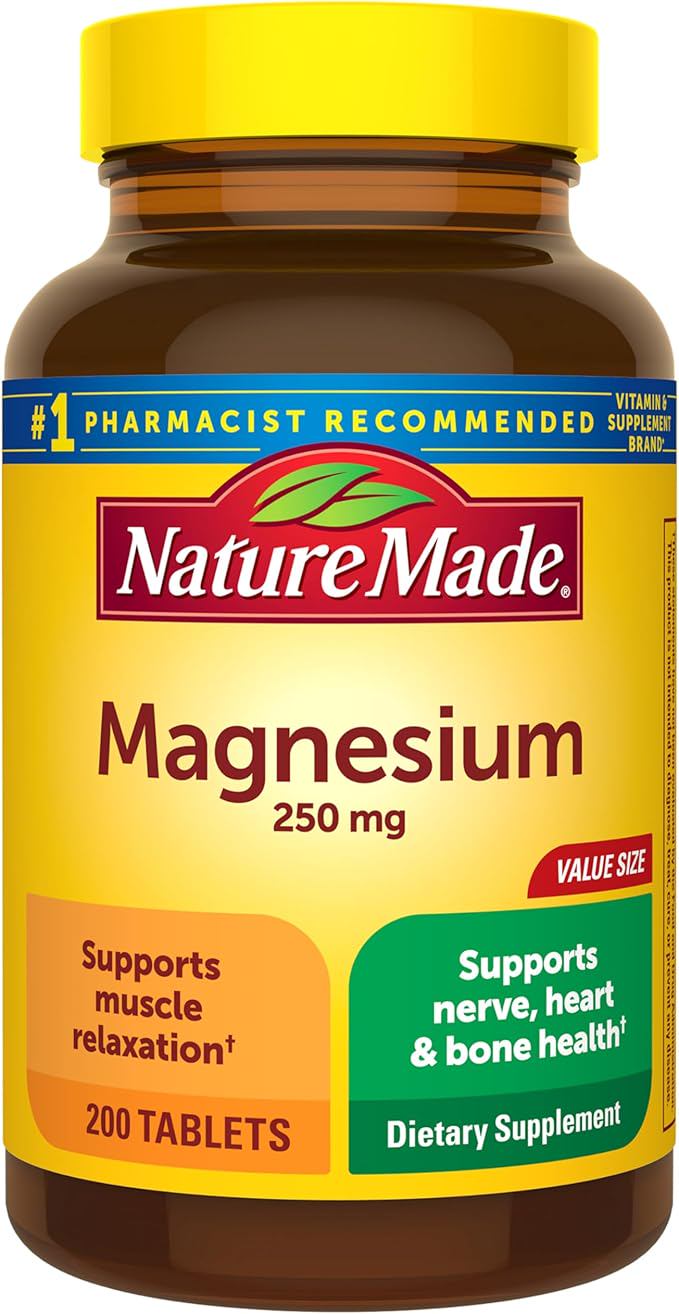
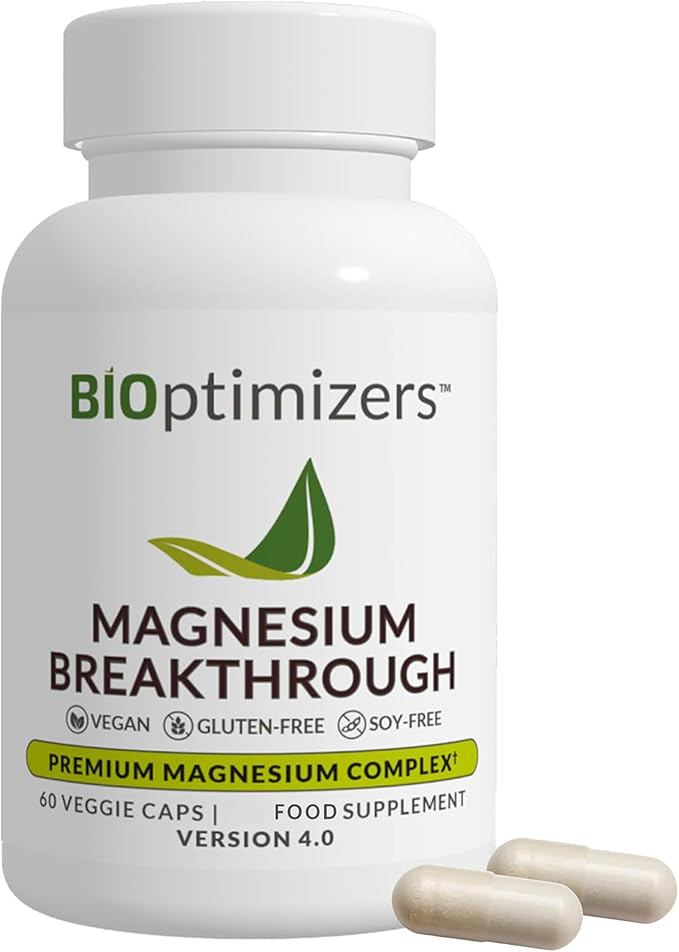
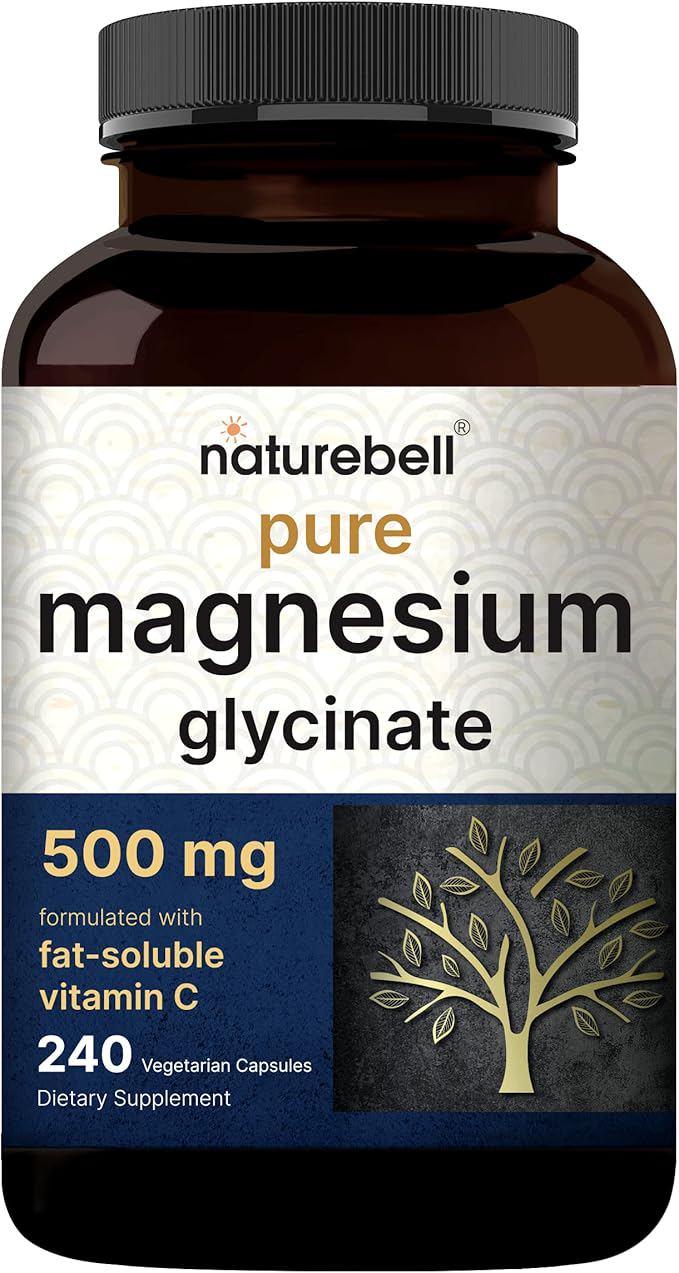
Magnesium helps relax smooth muscle and has a calming effect on the nervous system, which can reduce stress and anxiety. Good sources include green leafy vegetables, nuts, pumpkin seeds, and dark chocolate. Vitamin B6 is involved in the production of neurotransmitters like serotonin and dopamine. It also helps make new red blood cells and carry oxygen, which can combat fatigue. Find it in eggs, chickpeas, avocados, and nuts.
Calcium and vitamin D for behavioral changes
Calcium has a functional role in relieving water retention and the behavioral shifts that come with PMS. One study found that women who consumed more calcium and vitamin D had a lower risk of PMS. Sources of calcium include almonds, yogurt, paneer, and seeds. Vitamin D can be obtained from fortified foods like cereals and juices, as well as from sunlight.
Omega-3 fatty acids for cramp-related distress
The anti-inflammatory properties of omega-3 fatty acids can counteract the prostaglandins that cause headache and cramp pain, which in turn can improve mood. Fish, walnuts, flaxseeds, and soy are rich sources.
Iron, zinc, and folic acid for energy and hormonal balance
Women with heavy bleeding may become iron-deficient, leading to fatigue and low mood. Iron-rich foods like spinach, beans, and red meat should be paired with vitamin C (from citrus fruits or amla) to boost absorption. Zinc supports estrogen and progesterone receptors, potentially relieving pain. Eggs, legumes, and pumpkin seeds are good sources. Folic acid helps regulate the menstrual cycle and combat anemia—leafy vegetables, avocado, and asparagus provide it.
Why you should track your symptoms
Before you can decide if you need help, you need data. Using a period tracking app or a simple notebook to log your mood, physical symptoms, and their impact each day can reveal patterns. If you notice that your emotional symptoms consistently appear in the week before your period and vanish soon after it starts, that's a classic PMS pattern. If the symptoms are severe and debilitating, that information is invaluable for a healthcare provider.
Tracking also helps you identify which nutritional changes are working. For example, after boosting magnesium-rich foods and omega-3s, you might see a calmer luteal phase. If you see no improvement despite dietary changes, or if your scores remain high on the severity scale, that's another clear signal to seek professional guidance.
What a healthcare provider can offer
If you decide to seek help, your doctor or gynecologist can discuss several options beyond nutrition:
- Medication: Selective serotonin reuptake inhibitors (SSRIs) are a first-line treatment for PMDD and can be taken only during the luteal phase.
- Therapy: Cognitive behavioral therapy (CBT) can help you manage stress and reframe negative thoughts.
- Hormonal treatments: Birth control pills that contain drospirenone and ethinyl estradiol (like Yaz) are FDA-approved for PMDD.
- Lifestyle adjustments: Regular aerobic exercise, adequate sleep, and stress management techniques have all shown benefit.
It's important to remember that PMS-related mood changes exist on a spectrum. You don't have to suffer in silence because something feels "too mild" for a doctor's visit. A conversation with a trusted healthcare professional can provide clarity, validation, and a path forward—whether that involves supplements, medication, or simply the relief of knowing you are not alone.