
Waking up night after night, watching the clock, feeling the frustration build—chronic insomnia is more than just a few bad nights. It’s a persistent pattern that can drain your energy, mood, and overall sense of well-being. If this sounds familiar, you’re not alone, and more importantly, you’re not without options. The management of chronic insomnia has moved far beyond simple sleep hygiene tips. Today, a suite of evidence-based techniques, backed by rigorous clinical research, offers a clear path toward reclaiming restful sleep.
These approaches don’t promise a magic bullet, but they do provide a structured, effective framework. They work by gently reshaping the thoughts, behaviors, and habits that keep the cycle of sleeplessness spinning. The goal isn’t perfection, but progress—a gradual return to a more sustainable and satisfying relationship with sleep.
What Makes Insomnia “Chronic”?
Occasional sleeplessness is a common human experience. Chronic insomnia disorder, however, is defined by a persistent difficulty with sleep that occurs at least three nights per week for three months or longer, despite having adequate opportunity for sleep. It’s accompanied by significant daytime impairment, such as fatigue, mood disturbances, or difficulty concentrating. This distinction is crucial because the longevity of the problem means it has often become a self-perpetuating cycle. The brain has learned a pattern of hyperarousal and anxiety around the bed and bedtime. Effective management, therefore, focuses on unlearning that pattern.
The Cornerstone: Cognitive Behavioral Therapy for Insomnia (CBT-I)
Widely considered the first-line, gold-standard treatment for chronic insomnia, CBT-I is a structured program that targets the thoughts and behaviors fueling sleeplessness. Unlike general talk therapy, it’s a skills-based, often short-term approach with a strong track record in clinical trials. It typically involves several core components, which can be delivered by a trained therapist or through structured digital programs.
Stimulus Control Therapy
This technique addresses the conditioned association between your bed and wakefulness. Over months or years of lying awake in bed, your brain stops linking the bedroom with rapid sleep onset. Stimulus control instructions are designed to rebuild that association. The rules are straightforward but require consistency: use the bed only for sleep and intimacy (no reading, scrolling, or worrying in bed); if you’re awake for more than 20 minutes, get up and go to another dimly lit room until you feel sleepy again; maintain a fixed rising time regardless of sleep duration.
The goal of stimulus control is simple: to make your bed a strong cue for sleep, not a cue for wakeful frustration.
Sleep Restriction
This sounds counterintuitive but is profoundly effective. Sleep restriction temporarily limits your time in bed to match your actual average sleep time. If you’re spending 8 hours in bed but only sleeping 5.5, your initial “sleep window” might be set to 6 hours. This creates mild, controlled sleep deprivation, which helps consolidate sleep and increase sleep drive. As efficiency improves, the window is gradually expanded. This process directly tackles the problem of lying awake for long periods, which fragments sleep and erodes confidence.
Cognitive Restructuring
Here, you work on identifying and challenging the unhelpful beliefs and worries about sleep that fuel anxiety. Thoughts like “I’ll never function tomorrow” or “I must get eight hours or my health is ruined” create performance anxiety around sleep. Cognitive restructuring helps you examine these thoughts realistically, develop more balanced perspectives, and reduce the mental pressure that keeps you awake.
Beyond CBT-I: Complementary Evidence-Based Practices
While CBT-I forms the core, other techniques can support and enhance this work, particularly in managing the physiological arousal that accompanies chronic insomnia.
Mindfulness and Relaxation Training
Practices like progressive muscle relaxation, diaphragmatic breathing, and mindfulness meditation are not about forcing sleep. Instead, they aim to lower the overall level of nervous system arousal and interrupt the cycle of racing thoughts. Mindfulness, in particular, encourages observing thoughts and bodily sensations—including frustration about being awake—with a non-judgmental attitude. This can reduce the struggle and anxiety that amplifies wakefulness.
Paradoxical Intention
This clever technique involves trying to stay awake (with your eyes open, in bed, in the dark) rather than trying to fall asleep. It removes the performance anxiety and effort that often backfire. By eliminating the pressure to sleep, the anxiety lessens, and sleep often arrives more naturally.
Light Therapy and Circadian Rhythm Support
For some, chronic insomnia is intertwined with a delayed or irregular sleep-wake cycle. Strategic light exposure—seeking bright light (preferably morning sunlight) upon waking and minimizing blue light from screens in the evening—can help strengthen your natural circadian rhythms, making sleep feel more timely and predictable.
Building a Sustainable Sleep Support System
Evidence-based techniques are most effective when woven into a consistent daily context. This isn’t about rigid rules, but about creating a supportive environment and routine.
- Wind-Down Routine: Dedicate the 30-60 minutes before bed to calming, screen-free activities. This signals to your brain that it’s time to shift gears.
- Daytime Habits: Regular physical activity (finished several hours before bed) and mindful caffeine/alcohol intake can significantly impact sleep quality.
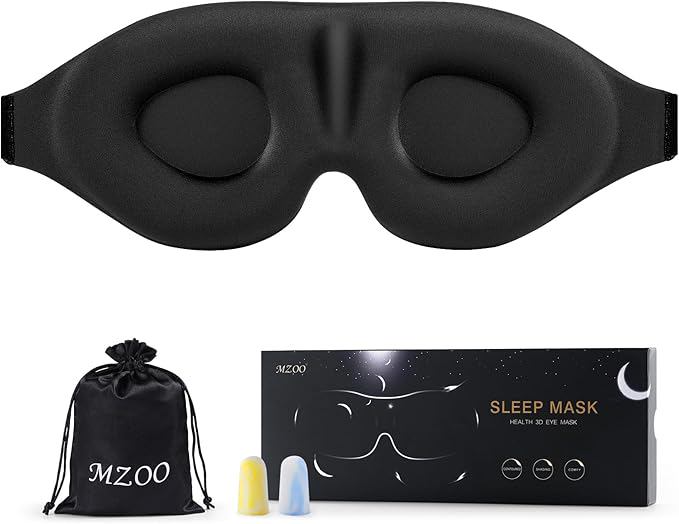
- Sleep Environment: A cool, dark, and quiet bedroom is foundational. Consider this the stage upon which your new sleep skills can perform.
Managing chronic insomnia is a process of patient, consistent practice. There will be better nights and more challenging ones. The power of evidence-based techniques lies in giving you a reliable set of tools to use, regardless of how the night unfolds. By focusing on changing your actions and relationship to sleep, rather than on sleep itself, you gradually dissolve the patterns that hold insomnia in place and make space for restorative rest to return.