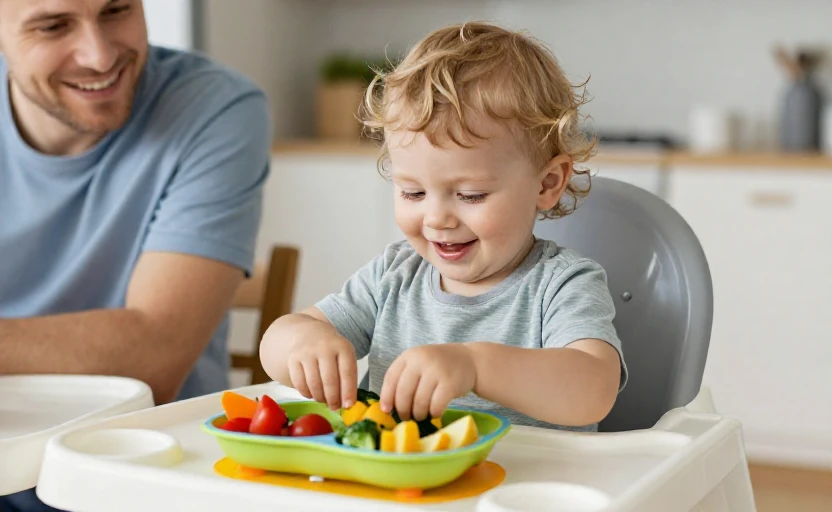
Establishing a healthy relationship with food begins long before a child can read a nutrition label. The high chair is where the foundation is laid—not just for what they eat, but for how they feel about mealtimes, their bodies, and nourishment itself. This early stage is less about rigid rules and more about creating consistent, positive patterns that encourage curiosity and trust around food.
Think of these daily routines as gentle guideposts. They’re about setting a predictable rhythm that makes trying new foods feel safe and turning shared meals into moments of connection, not conflict. The goal isn’t a perfect eater, but a child who grows up seeing food as a source of joy and energy.
Why Routines Matter More Than Rules
For a toddler, the world is wonderfully unpredictable. Routines provide an anchor of safety. When it comes to eating, a predictable flow—wash hands, sit together, offer familiar and new foods—signals that it’s time to focus and explore. This structure reduces anxiety and power struggles. The child learns to listen to their own hunger and fullness cues within a reliable framework, which is the cornerstone of intuitive eating later in life.
The high chair is a classroom for curiosity, not a battleground for control.
Key Daily Routines to Establish
Integrating these practices into your day doesn’t require a complete overhaul. Start with one or two and let them become second nature.
Create a Consistent Meal & Snack Schedule
Aim for three meals and two to three scheduled snacks at roughly the same times each day. This pattern prevents toddlers from becoming overly hungry (and therefore fussy) and helps them understand that food comes at reliable intervals, reducing constant grazing. It also allows their appetite to naturally ebb and flow, making them more likely to be genuinely hungry when they sit down.
Eat Together Whenever Possible
This is perhaps the most powerful routine. When you sit and eat the same foods (or a variation) at the same time, you model healthy eating behaviors without saying a word. They see you chewing, trying different foods, and enjoying the meal. This social connection makes the high chair experience about family and participation, not isolation.
Involve Them in Simple Food Preparation
Even very young children can participate. Let them wash a cucumber, tear lettuce for a salad, or stir yogurt. This hands-on involvement builds familiarity and pride. A child who helped make the meal is far more invested in tasting it. Keep it simple, safe, and fun.
Offer a "Safe Food" with Every Meal
Alongside any new or less-favored foods, always include one thing you know they will reliably eat, like a favorite fruit, bread, or cheese. This takes the pressure off. They won’t go hungry, and the presence of a safe option can give them the confidence to tentatively explore something new on their own terms.
Practice Responsive Feeding
Your job is to provide a variety of healthy options at predictable times. Their job is to decide what and how much to eat from what’s offered. Trust them. Avoid coaxing, bribing, or forcing "one more bite." This respects their innate ability to regulate intake and helps prevent negative associations with food.
Navigating Common High Chair Challenges
It’s normal for routines to meet resistance. Here’s how to hold the course calmly.
Food Throwing: This is often a signal of being finished or a test of cause-and-effect. Calmly say, "Food stays on the tray. When you throw, it tells me you’re all done," and end the meal. Consistency is key.
Sudden Food Jags: When a child wants only one food for days, continue to offer it alongside other options. Jags usually pass. Ensure the preferred food is nutritious, and trust that variety will return.
Refusal of New Foods: It can take 10-15 exposures for a child to accept a new food. Present it without fanfare, in tiny portions, and alongside favorites. Let them see you eating it. No pressure is the best policy.
The Long-Term Impact of Early Habits
The rhythms you establish now do more than fill a belly. They teach patience through waiting for meals, motor skills through self-feeding, and language through conversation at the table. Most importantly, they build a foundational trust: trust in their own body’s signals, trust in you as a provider, and trust that mealtime is a secure, pleasant part of the day. This trust is the true nutrient that supports a lifetime of healthy choices, long after the high chair is packed away.