
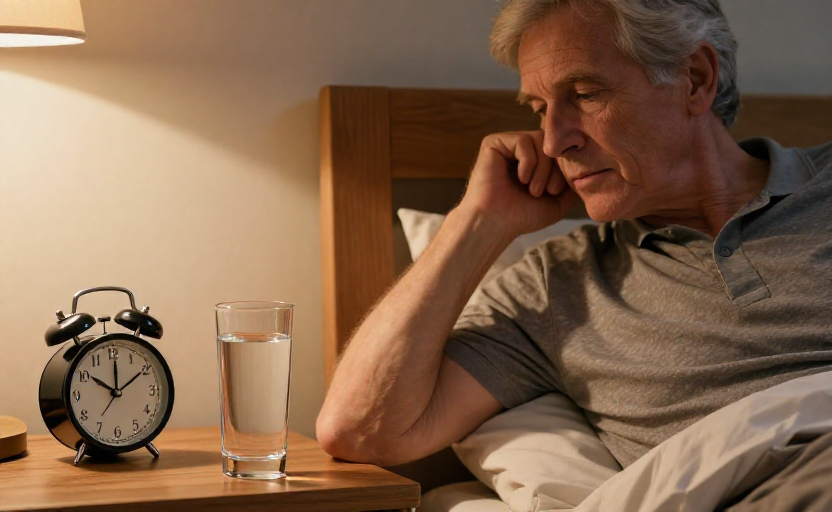
You know the feeling: you’ve been diligent all day, sipping from your water bottle, proud of your healthy habit. Yet, come bedtime, you find yourself staring at the ceiling or making multiple trips to the bathroom. For many older adults, the very hydration practices meant to support wellness can quietly become a thief of restful sleep.
The relationship between fluid intake and sleep grows more delicate with age. Natural changes in kidney function, bladder capacity, and even the body’s thirst signals mean that a routine that worked at forty may backfire at sixty. It’s not about drinking less water, but about drinking smarter—aligning your habits with your body’s changing rhythms to protect both hydration and sleep.
Why does hydration affect sleep differently as we age?
Several physiological shifts make older adults more susceptible to sleep disruption from fluids. First, the kidneys become less efficient at concentrating urine, which can lead to producing more urine at night, a condition known as nocturia. Second, the bladder’s capacity and elasticity can decrease, making the urge to go more frequent and urgent. Finally, the body’s production of the antidiuretic hormone (ADH), which tells the kidneys to conserve water overnight, often diminishes. This perfect storm means that evening fluids have a more direct and rapid path to disrupting your sleep cycle.
The goal isn’t to restrict fluids overall, but to strategically time them so your body isn’t processing a large volume just as you’re trying to rest.
Which daily hydration habits are the most common culprits?
Some patterns are so ingrained we don’t think of them as choices. See if any of these sound familiar.
The “Catch-Up” Evening Guzzle. After a busy day of perhaps not drinking enough, you finally sit down in the evening and consume the majority of your daily water intake in a few hours. This floods your system right before bed, guaranteeing your kidneys will be working overtime while you’re trying to sleep.
The Pre-Bedtime Herbal Tea Ritual. While a calming, caffeine-free tea seems like a perfect bedtime ritual, that large, warm mug of liquid is still a significant volume for your body to process. Even without caffeine, it can contribute to nocturia.
Relying on Thirst Alone. As we age, thirst sensation can become less reliable. You might not feel thirsty all day, then suddenly feel parched in the evening, leading to that “catch-up” guzzle. Conversely, you might not feel thirsty until you’re already somewhat dehydrated, which can also disrupt sleep by causing dry mouth or leg cramps.
The Post-Dinner Diuretic. Enjoying a glass of wine, a cup of coffee with dessert, or even a diet soda with your evening show introduces both fluid and a diuretic substance. Alcohol and caffeine both interfere with the ADH hormone, prompting your body to excrete more water, often at the most inopportune time.
How can you hydrate wisely for better sleep?
Adjusting these habits requires gentle shifts, not drastic deprivation. The following strategies can help you stay hydrated while safeguarding your sleep.
Front-load your fluid intake
Make a conscious effort to distribute your fluids more evenly throughout the waking hours. Aim to consume the bulk of your daily water by late afternoon. Keep a water bottle visible and accessible during the day—not just on your evening side table.
Create a gentle evening taper
Start reducing the volume of fluids about 2-3 hours before bedtime. This doesn’t mean going completely dry, but rather sipping small amounts if you’re thirsty. Think a few satisfying sips to moisten your mouth, not a full glass.
Reconsider your evening beverage choices
If you love a bedtime tea, try making it earlier in the evening or reducing the cup size. Be mindful of hidden diuretics like alcohol and caffeine after dinner. Pay attention to how your body reacts; some people are more sensitive than others.
Elevate your daytime hydration sources
Don’t rely on water alone. Incorporating water-rich foods like cucumber, watermelon, berries, and soups into your lunch and afternoon snack can boost hydration without adding a large volume of liquid to process later. This can be especially helpful if you have a smaller appetite or find plain water unappealing.
Listen to your body’s new patterns. If you notice you’re consistently waking up at a certain time, track your fluid intake for a few days. You may discover a direct link between that 7 p.m. large glass of water and your 2 a.m. awakening. A small, thoughtful adjustment—like finishing that water by 6 p.m.—could make a significant difference. It’s a process of tuning in, not a set of rigid rules, to find the balance that lets you wake up feeling both rested and refreshed.