The journey into solid foods is a thrilling milestone, but for many parents, it’s also the starting line for a familiar worry: picky eating. Will my child ever eat a vegetable? Why do they only want beige foods? The good news is that the habits you establish from the very first spoonful can set a positive, open-minded tone for your child’s relationship with food for years to come. Preventing picky eating isn’t about forcing bites; it’s about cultivating curiosity, managing your own expectations, and making mealtimes a low-pressure exploration.
Think of this stage less as “feeding” and more as “food introduction.” Your baby is learning not just how to swallow, but about textures, colors, smells, and the social ritual of eating together. The goal is to build a foundation where a wide variety of foods feels normal and safe. By focusing on a few key daily habits, you can help your little one become a confident, adventurous eater, one messy meal at a time.
Start with variety, not just single foods
The classic advice of introducing one new food every few days is sound for checking for allergies, but it shouldn’t define your entire approach. Once you’ve safely introduced a few basics, don’t hesitate to mix things up. Offering a rotation of different colors, textures, and food groups from the beginning prevents your child from becoming accustomed to a monotonous diet. If Tuesday is always sweet potato, they might come to expect it and reject anything else.
The first exposures are about familiarity, not consumption. It can take 10-15 tries for a child to accept a new food.
This means that a “failed” meal where most of the broccoli ends up on the floor isn’t a failure at all—it’s a successful introduction. The food was seen, touched, and maybe tasted. That’s a win. Keep offering it casually alongside foods they already enjoy.
Make family meals the norm, early on
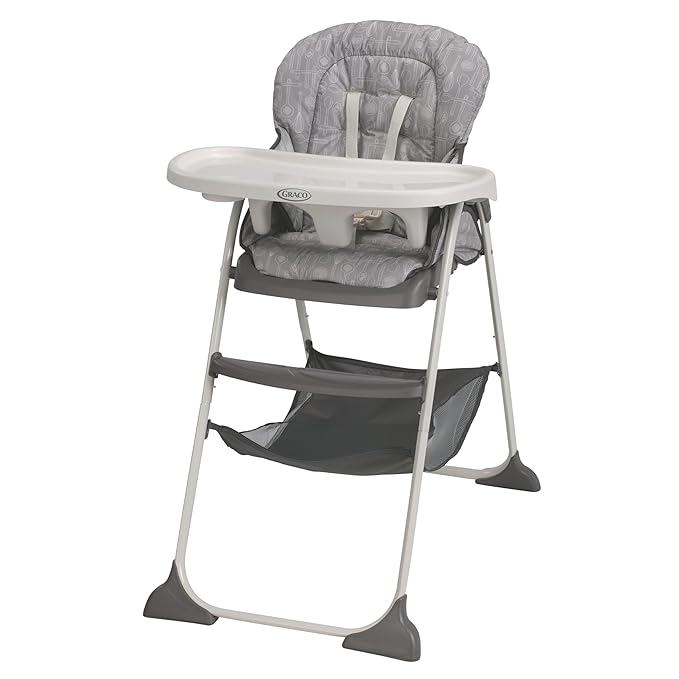
One of the most powerful habits is eating together. As soon as your baby can sit safely in a highchair, pull it up to the table during your meals. Let them see you eating, talking, and enjoying a variety of foods. They learn by watching you. If you’re having lentils and rice, give them a small, appropriately textured portion of the same meal (minus added salt or sugar). This models that we all eat the same food, and it makes trying new things a shared family activity, not a special performance for the baby.
Embrace mess and self-feeding
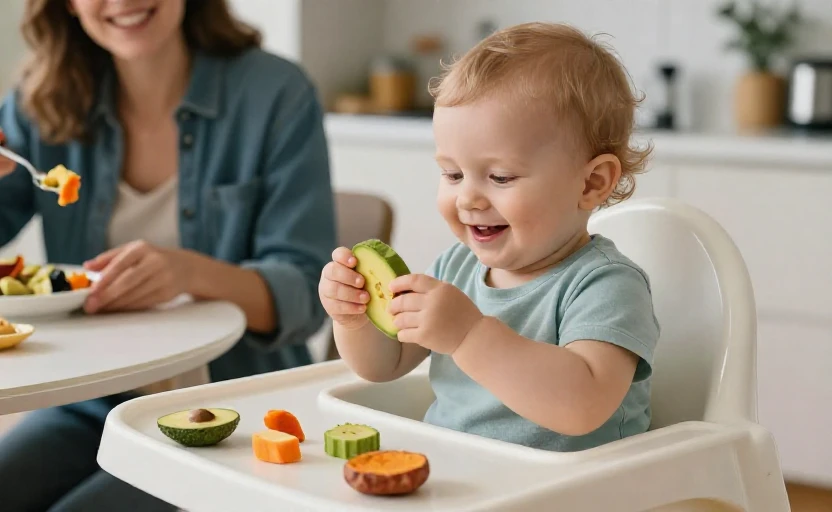
Resist the urge to wipe their face after every bite or to take the spoon away to “do it properly.” Mess is an essential part of the learning process. When a baby squishes avocado between their fingers or smears yogurt on the tray, they are engaging with the food sensorily. This tactile exploration reduces fear of new textures. Allowing age-appropriate self-feeding—with safe, soft finger foods or by holding a pre-loaded spoon—gives them a sense of autonomy. A child who feels in control of what goes into their mouth is less likely to resist out of a power struggle later.
What does self-feeding look like?
- Offering large, graspable sticks of soft-cooked vegetables (steamed carrot, zucchini).
- Letting them hold a spoon while you also offer bites with another.
- Putting a small amount of food directly on their highchair tray to explore.
Keep your reactions neutral
Your face is your baby’s guide to the world. If they try a bit of lemon and make a funny face, laughing or saying “Oh, is it sour?” with a big reaction can accidentally turn rejection into a game. Similarly, looking anxious when they pick up a new green bean sends a signal that this food is worrisome. Aim for a calm, neutral demeanor whether they devour a food or spit it out. A simple “Okay, you’re exploring that pea” is enough. This takes the emotional charge out of eating and allows them to form their own opinion based on taste, not your anticipation.
Structure the day with predictable eating times
Little tummies and brains thrive on routine. Offering meals and snacks at roughly the same times each day helps regulate their hunger cues. A child who is grazing all day may never feel truly hungry at mealtimes, making them less motivated to try something challenging. A structured routine of three meals and 2-3 scheduled snacks creates natural opportunities for hunger to build, making that new food more appealing when it arrives.
You are responsible for the what, when, and where of eating. Your child is responsible for the whether and how much.
This division of responsibility, a cornerstone of feeding philosophy from expert Ellyn Satter, relieves pressure. You provide a balanced option, and they decide what and how much to eat from it. This trust helps prevent mealtime battles.
Repeated exposure is your best tool
Rejection is not permanent. A food refused today may be accepted next week if it’s offered without fanfare. Continue to put a small portion of previously rejected foods on their plate alongside accepted favorites. Don’t comment on it. Just let it be there. Sometimes, just seeing it regularly is enough to build the courage to try it. Changing the presentation can also help—steamed broccoli one day, roasted with a tiny drizzle of olive oil the next, blended into a soup later on.
What to avoid in your daily habits
Just as important as what you do is what you try not to do. Certain well-intentioned behaviors can inadvertently encourage pickiness.
- Don’t become a short-order cook. Making a separate meal because they refused the first one teaches them that holding out leads to a preferred option.
- Avoid using dessert as a reward for eating vegetables. This elevates the status of sweet foods and frames the vegetable as a chore to be endured.
- Limit distractions. Turn off the TV and put away phones during meals. This helps your child focus on their hunger and fullness cues and the food in front of them.
Remember, your role is to guide and provide. By making mealtimes predictable, varied, and pressure-free, you give your child the space to develop a healthy, curious appetite that can last a lifetime.