We often approach stress management like a project to be tackled—adding meditation apps, scheduling workouts, and trying to breathe deeply. Yet, the foundation of our daily calm isn't just built by what we add, but often eroded by what we do without thinking. Some of our most ingrained, automatic habits quietly work against our efforts to feel balanced and resilient.
Recognizing these subtle saboteurs is the first step toward reclaiming a sense of ease. It's not about achieving perfection, but about gently shifting the patterns that consistently drain your energy and amplify anxiety.
How does constant connectivity affect stress?
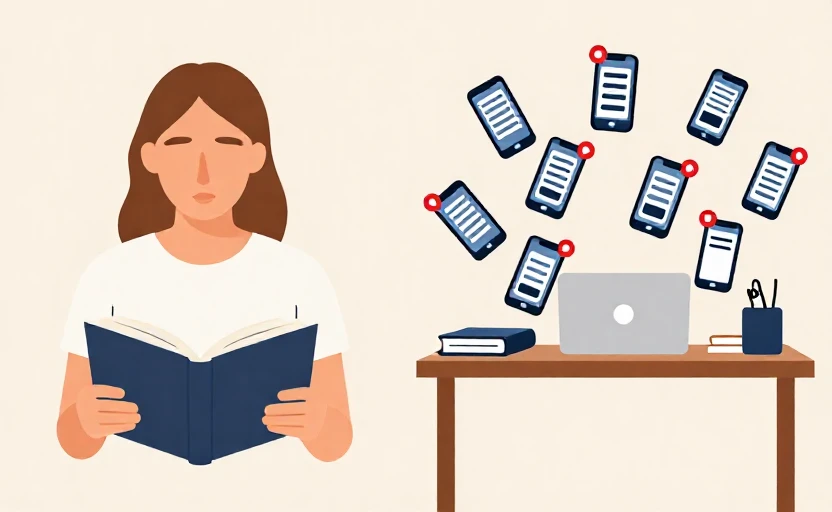
Our devices promise connection and efficiency, but an unchecked habit of digital engagement can keep our nervous systems in a state of high alert. The ping of a notification, the endless scroll of news and social feeds, and the pressure to be perpetually available create a low-grade hum of cognitive overload.
This isn't just distraction; it's a constant drip of micro-decisions and fragmented attention that prevents the mind from settling. The brain never receives the signal that it's safe to fully disengage and restore itself.
Try a digital sunset: power down all screens at least 60 minutes before bed. The blue light and mental stimulation directly interfere with the body's production of melatonin, the sleep hormone.
Can my approach to productivity backfire?
Yes, when it becomes a cycle of relentless task-juggling. Multitasking, once worn as a badge of honor, is now understood to fracture focus and increase mental fatigue. You may feel busy, but switching between tasks can reduce productivity by up to 40% while elevating stress hormones like cortisol.
Similarly, the habit of skipping breaks to "power through" depletes your cognitive reserves. Your brain operates in natural cycles of focus (roughly 90 minutes) followed by a need for rest. Ignoring this rhythm leads to diminishing returns and heightened irritability.
What to try instead
Practice monotasking. Choose one significant task, set a timer for a focused block, and work only on that. When the timer ends, take a genuine break—stand up, look out a window, make a cup of tea. This honors your natural rhythm and creates a more sustainable pace.
Why does poor sleep hygiene undermine everything?
Sleep is the cornerstone of emotional regulation. When we habitually cut it short or disrupt its quality with erratic schedules, caffeine too late in the day, or a stimulating pre-bed routine, we start the next day with a deficit. A tired brain is far more reactive to minor stressors, interprets neutral events as threats more easily, and struggles with impulse control.
This creates a vicious cycle: stress disrupts sleep, and poor sleep lowers your threshold for stress. The habit of sacrificing sleep to gain more waking hours is one of the most counterproductive things we can do for our mental well-being.
- Establish a consistent wake-up time, even on weekends, to regulate your body clock.
- Create a pre-sleep ritual that signals winding down: gentle stretching, reading a physical book, or listening to calm music.
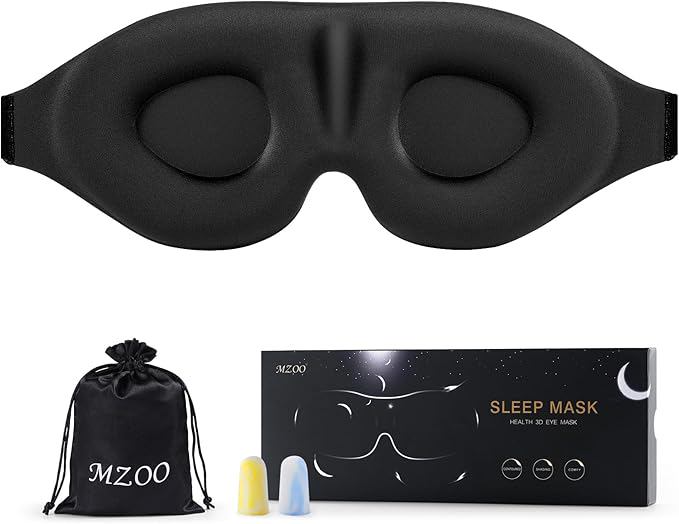
- Keep your bedroom cool, dark, and reserved for sleep and intimacy only.
How does social isolation feed stress?
In times of overwhelm, a common habit is to withdraw. We cancel plans, avoid reaching out, and tell ourselves we'll socialize when we feel less stressed. But isolation often magnifies anxiety, allowing worries to echo in an empty chamber. Connection acts as a buffer.
This doesn't mean you need a packed social calendar. The key is consistent, low-pressure contact—a brief walk with a friend, a phone call while doing chores, or even participating in a low-commitment community group. Shared experience reminds us we're not alone in our struggles.
What about the habit of negative self-talk?
The running commentary in your head holds immense power. A pattern of harsh self-criticism (“I should have handled that better,” “I’m failing at this”) functions as an internal stressor, keeping your body in a state of perceived threat. This habit often operates below conscious awareness, yet its physiological impact is real.
Compassion, particularly self-compassion, is not about making excuses. It's about changing your internal climate from one of criticism to one of supportive coaching. The goal is to relate to your own struggles as you would to a good friend's—with kindness and a desire to help, not blame.
What to try instead
Notice the critic. When you hear that harsh inner voice, simply acknowledge it: “There’s the critic again.” Then, consciously reframe the thought. Change “I’m so disorganized” to “I’m feeling overwhelmed right now, and that’s okay. What's one small thing I can do to feel more in control?”
Is my relationship with caffeine and food making things worse?
Reaching for another coffee when tired or skipping meals when busy are classic stress-response habits. While caffeine can provide a short-term boost, over-reliance can increase jitteriness, disrupt sleep, and exacerbate feelings of anxiety. Similarly, fluctuating blood sugar from irregular meals or sugary snacks can cause energy crashes and mood swings, mimicking or worsening stress symptoms.
Nourishment is a form of foundational support. It's less about a perfect diet and more about creating steady energy to help your body and brain cope with demands.
Pair carbohydrates with protein or fat (like an apple with almond butter) to slow sugar absorption and provide sustained energy, avoiding the spike-and-crash cycle.
Changing these daily habits isn't about a complete life overhaul overnight. It's about bringing gentle awareness to the automatic patterns that no longer serve you. Start with one small shift—perhaps a digital sunset or a consistent wake time. Each positive change creates a slightly more stable platform, making you more resilient to life's inevitable pressures and better able to benefit from the stress-management practices you actively choose.