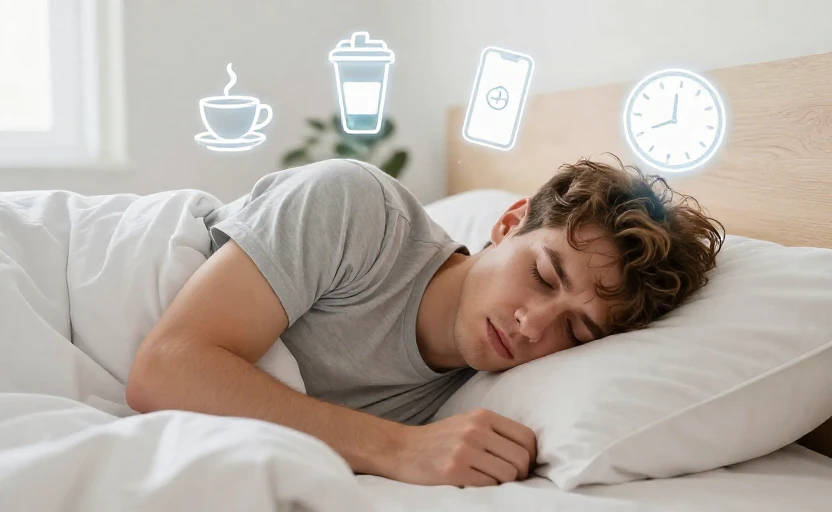
You’ve dimmed the lights, turned off the screens, and settled into a quiet bedtime routine. Yet, you still wake up feeling unrefreshed, as if your sleep was shallow and restless. The culprit might not be your nighttime habits at all, but rather subtle choices you make throughout your day, long before your head hits the pillow.
Sleep quality is built on a foundation laid from the moment you wake up. What you eat, how you move, and even the way you manage stress can quietly undermine your body’s natural sleep-wake cycle. Let’s explore the common daily habits that are secretly sabotaging your rest and what you can do instead.
Your Morning Coffee Isn’t Just a Morning Habit
That first cup of coffee is a cherished ritual, but caffeine’s half-life—the time it takes for your body to eliminate half of it—is about five to six hours. A 3 p.m. latte means a significant amount of caffeine is still circulating in your system at 9 p.m., potentially blocking adenosine, the sleep-promoting chemical that naturally builds up in your brain throughout the day.
Consider a caffeine curfew: aim to have your last caffeinated drink at least eight hours before your intended bedtime.
This isn’t just about coffee. Caffeine is present in black tea, green tea, many sodas, and dark chocolate. Being mindful of all sources, especially in the afternoon, can make a noticeable difference in how quickly you drift off.
The Myth of “Catching Up” on Sleep
Sleeping in late on weekends disrupts your circadian rhythm, the internal clock that regulates sleepiness and alertness. When you shift your wake-up time by several hours on Saturday, you essentially give yourself social jet lag. Come Sunday night, your body isn’t ready for sleep at your usual time, making Monday morning a brutal reset.
Consistency is more powerful than duration. Waking up at roughly the same time every day, even on weekends, anchors your circadian rhythm. If you need to compensate for lost sleep, a short, early afternoon nap of 20-30 minutes is a better strategy than a three-hour sleep-in.
How You Manage Daylight and Darkness
Light is the primary signal for your circadian rhythm. Insufficient bright light exposure during the day, especially in the morning, can weaken the signal that tells your body it’s time to be awake. Conversely, too much bright artificial light in the evening suppresses melatonin production, the hormone that cues sleepiness.
- Seek morning light: Get outside for 15-30 minutes within an hour of waking. Even on a cloudy day, outdoor light is far more intense than indoor lighting.
- Dim evening lights: In the two hours before bed, lower overhead lights and use lamps. Consider using blue-light filters on devices or, better yet, avoid screens where possible.
The Sedentary Day and Its Restless Night
Regular physical activity is one of the most reliable ways to improve sleep depth and duration. However, timing matters. While consistent daytime exercise promotes deeper sleep, vigorous exercise too close to bedtime can be overstimulating for some people, raising core body temperature and releasing energizing endorphins.
The goal is to move your body consistently, not intensely, throughout the day. A daily walk, taking the stairs, or gentle stretching can significantly contribute to sleep pressure—the building need for sleep. Save more intense workouts for earlier in the day, and if you exercise in the evening, opt for calming movements like yoga or stretching.
Evening Eating and Drinking Patterns
Your digestive system’s schedule can conflict with your sleep schedule. A large, heavy, or spicy meal right before bed forces your body to focus on digestion when it should be winding down. This can lead to discomfort, acid reflux, and a higher core body temperature, all of which impair sleep.
Aim to finish your last large meal at least two to three hours before bedtime. If you need a small snack closer to bed, choose something light and balanced, like a banana with a small spoonful of nut butter.
Hydration is also a delicate balance. While dehydration can disrupt sleep, drinking a large volume of water right before bed will likely lead to disruptive middle-of-the-night trips to the bathroom. Try to front-load your hydration earlier in the day and taper off in the last hour or two before sleep.
Unwinding or Winding Up? Your Pre-Bed Routine
Scrolling through social media or watching an intense thriller might feel like a way to relax, but it’s often cognitively and emotionally stimulating. The content can trigger stress, anxiety, or excitement, putting your nervous system on alert instead of into rest mode.
Your pre-bed routine should act as a buffer zone between the busyness of the day and the quiet of sleep. This is the time for activities that are calming and slightly boring. Think reading a physical book (not a suspense novel), listening to calm music or a sleep story, practicing gentle stretching, or writing a brief list of tomorrow’s tasks to quiet a racing mind.
When Daytime Stress Invades the Night
Worry and rumination don’t clock out at bedtime. If you spend your day reacting to stressors without processing them, they will likely surface as you try to quiet your mind. Chronic, unmanaged stress keeps your nervous system in a state of heightened alert, making deep, restorative sleep difficult to achieve.
Building small stress-resilience habits into your day can prevent this backlog. This could be a five-minute breathing exercise after lunch, a short walk outside to break up your workday, or practicing a two-minute “brain dump” journaling session in the afternoon to offload worries. By addressing stress incrementally, you prevent it from becoming a monolithic barrier to sleep at night.
Improving sleep quality is often less about a dramatic overhaul and more about fine-tuning the rhythm of your entire day. By aligning your daily habits with your body’s natural need for rhythm, light, movement, and calm, you build a foundation for sleep that feels less fragile and more resilient. Start with one or two adjustments, observe the effect, and remember that consistency in these daily choices is the true secret to better nights.