You know the feeling: you’ve stuck to a reasonable bedtime, avoided screens for an hour, and still, your sleep tracker shows a restless night with little deep sleep. The culprit might not be your evening routine at all. Data from sleep trackers—from wearables to under-mattress pads—is revealing a surprising truth: the seeds of a poor night’s sleep are often sown hours earlier, in seemingly harmless daily habits.
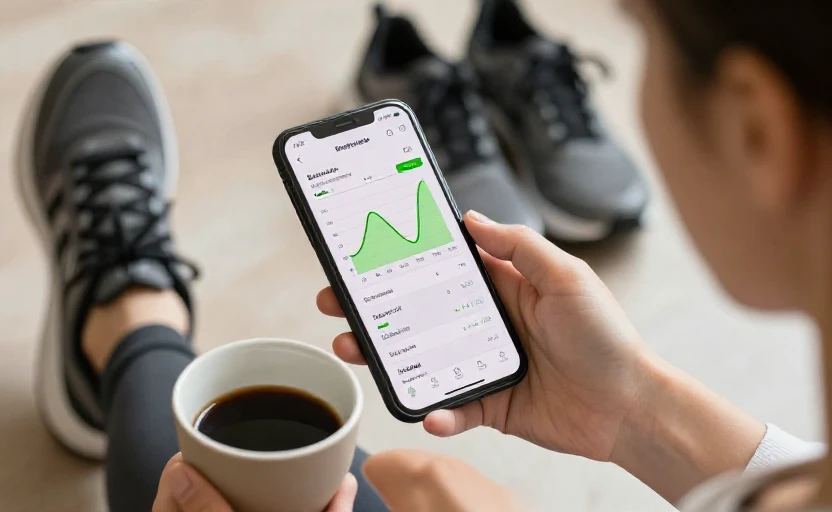
These devices measure more than just duration; they track heart rate variability, body temperature, and movement, painting a detailed picture of sleep architecture. The patterns they uncover point to daytime choices that quietly undermine your body’s natural wind-down process, long before your head hits the pillow.
Your Morning Coffee Might Be Keeping You Up Past Noon
That mid-morning latte feels essential, but tracker data consistently shows a link between afternoon caffeine and fragmented sleep. Caffeine has a half-life of about 5-6 hours. If you have a coffee at 3 p.m., roughly half the caffeine is still in your system at 8 or 9 p.m.
This residual caffeine doesn’t necessarily prevent you from falling asleep, but it can significantly reduce the amount of deep, restorative slow-wave sleep you get. Your tracker might show more frequent micro-awakenings or a elevated resting heart rate throughout the night. The subtle stimulant effect keeps your nervous system slightly on alert, preventing the truly profound drop into the most reparative sleep stages.
Think of caffeine’s effect as a background hum in your nervous system—it makes true, deep silence harder to achieve.
The Hidden Impact of Your Daytime Hydration (or Lack Thereof)
Dehydration is a common daytime oversight with direct nighttime consequences. Even mild dehydration can lead to nocturnal leg cramps, a dry mouth and throat that causes you to wake for water, and an overall increase in core body temperature—a key signal your body uses to initiate sleep.
Conversely, chugging a large volume of water right before bed is a classic tracker-verified sleep disruptor, leading to multiple bathroom trips. The sweet spot, according to the patterns seen in consistent good sleepers, is steady hydration throughout the day, tapering off about 90 minutes before bedtime.
How Your Afternoon Workout Could Backfire
Exercise is fantastic for sleep—usually. The timing, however, is critical. Tracker data often reveals a split: people who finish vigorous exercise at least three hours before bedtime tend to fall asleep faster and get more deep sleep. Those who work out too close to bedtime frequently show elevated heart rates and core body temperatures at a time when both should be dropping.
Intense exercise floods your system with cortisol and adrenaline, which are alertness hormones. While the post-exercise fatigue feels like sleepiness, your internal physiology is still revved up. A cool-down and a warm shower can help signal the shift, but giving your body adequate time to return to baseline is what the data supports.
The “Winding Down” Drink That Does the Opposite
Alcohol is one of the most common—and most misleading—sleep saboteurs trackers identify. It’s a sedative, so it can indeed help you fall asleep faster. But as it metabolizes a few hours later, it causes a rebound effect of increased wakefulness and dramatically suppresses REM sleep, the stage crucial for memory consolidation and mood regulation.
On tracker charts, this often appears as a deep plunge into sleep for the first half of the night, followed by a jagged, restless second half with very little REM. You might sleep for eight hours but wake feeling unrefreshed, because the architecture of your sleep was severely disrupted.
Daylight, Dinner, and Data: The Evening Connection
Two more subtle habits round out the picture. First, light exposure—or the lack of it. Getting bright, natural light in the morning helps set your circadian rhythm, telling your body when to be alert and when to produce melatonin later. Spending all day in dim office lighting can weaken this signal, making the evening wind-down less distinct for your internal clock.
Second, the timing and size of your evening meal. A large, heavy, or spicy meal too close to bedtime forces your digestive system to work overtime. Trackers show this can lead to increased restlessness, a higher sleeping heart rate, and even more frequent awakenings as your body struggles to both digest and rest.
What the Trackers Can’t Tell You
While insightful, this data is just one piece of the puzzle. Trackers measure physiological signals, not subjective sleep quality. Obsessing over your sleep score can itself become a source of anxiety that harms sleep, a phenomenon sometimes called orthosomnia. Use the data as a guide for gentle experimentation, not a definitive judgment on your health.
The most powerful step is to observe the patterns. If you notice your deep sleep is consistently low on days you have a late meeting over coffee, or your restlessness spikes after evening drinks with friends, you have a data point for a personal experiment. Adjust one habit at a time for a week and see what the trend shows.
Sleep isn’t just a nighttime event. It’s the final act of your daily performance, shaped by every scene that came before. By aligning your daytime choices with your body’s natural need for rhythm and recovery, you set the stage for sleep that truly restores.