
We all know the feeling: that tightness in your shoulders, the mental fog, the short fuse. In response, we often reach for the same handful of strategies, convinced they’ll bring relief. Sometimes they do, temporarily. But many of our go-to methods for managing stress can quietly backfire, leaving us more drained in the long run.
Recognizing these common missteps isn’t about adding self-criticism to your plate. It’s about gently shifting toward approaches that offer deeper, more sustainable relief. Let’s look at where our well-intentioned efforts often go astray, and what we can try instead.
Mistaking Distraction for a Solution
When stress feels overwhelming, disappearing into a social media scroll, binge-watching a series, or diving into a busywork project can feel like a lifeline. These activities aren’t inherently bad—they provide a necessary mental break. The mistake happens when we rely on them as our primary coping mechanism.
Distraction acts like a pause button on your nervous system; it doesn’t address the source of the tension. The stressor, and your body’s reaction to it, are merely waiting for you when you resurface. This can create a cycle where you need increasingly more distraction to avoid the discomfort, which never truly dissipates.
Instead of just hitting pause, try creating a moment of genuine release.
This doesn’t mean you must sit and stew in your anxiety. It means pairing distraction with a practice that helps your body process the stress. After your episode or scroll session, try a five-minute body scan: notice where you’re holding tension without judgment. Or, take three slow, deep breaths where your exhale is longer than your inhale. This signals safety to your nervous system, moving you out of a reactive state.
Isolating When You Feel Overwhelmed
It’s a natural impulse to withdraw when you’re stressed. You might feel irritable, foggy, or simply too tired to be social. While solitude can be restorative, prolonged isolation often magnifies stress. It leaves you alone with racing thoughts, which can spiral without the reality check or comfort of another perspective.
Stress thrives in echo chambers of our own making. Sharing a burden, even casually, can literally lighten the load by reducing cortisol levels and increasing feelings of connection.
Instead of full withdrawal, practice micro-connection. You don’t need to pour your heart out over a two-hour coffee. Send a brief text to a friend saying, “Tough day over here. Could use a funny meme.” Take a walk with a partner and mention one thing that felt difficult. The goal isn’t to solve the problem in that moment, but to break the seal of solitude. Human connection, even in small doses, is a powerful regulator for a stressed nervous system.
Using Food, Drink, or Shopping as Emotional Band-Aids
Reaching for comfort food, a glass of wine, or the thrill of an online cart is a deeply ingrained response to stress. These things provide a real, albeit fleeting, dopamine hit and sense of control or pleasure. The mistake is in framing them as “self-care” when they are often avoidance in disguise.
When these behaviors become habitual reactions to stress, they can create secondary cycles of guilt, financial strain, or physical sluggishness that compound the original stress.
This isn’t about moralizing choices. It’s about building awareness and expanding your toolkit. Before you reach for that default, pause for just ten seconds. Ask yourself: “What do I truly need right now?” Often, the answer isn’t sugar or a new item, but movement, rest, hydration, or creative expression.
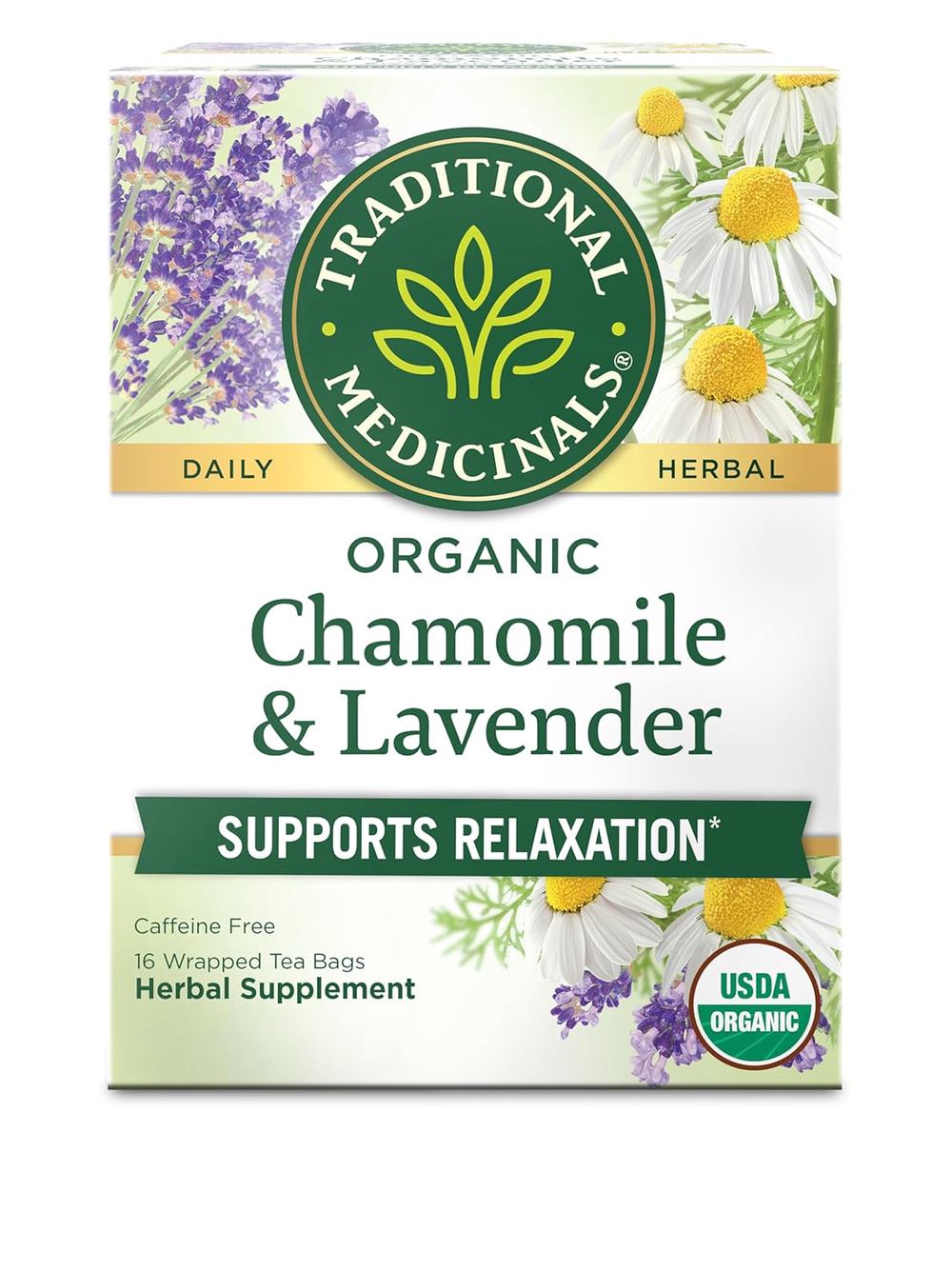
- Try a swap: If you crave the ritual of a comforting drink, make a cup of herbal tea mindfully. If you need the distraction of shopping, “window shop” online and save items to a list to revisit in 48 hours.
- Address the sensory need: Sometimes stress makes us seek sensory input. A cool shower, applying a scented lotion, or squeezing a stress ball can meet that need without the downstream effects.
Bypassing the Body’s Signals
We often treat stress as a purely mental problem to be solved with thoughts—positive affirmations, planning, worrying. While cognitive techniques have value, stress is a full-body experience. Ignoring the physical symptoms—a clenched jaw, shallow breath, restless legs—is like trying to put out a fire by only addressing the smoke.
Your body holds the stress long after your mind has moved on. Chronic muscle tension, headaches, and digestive issues are often the body’s way of saying the stress hasn’t been discharged.
Instead of trying to think your way out of stress, move your way through it. Physical activity is one of the most efficient ways to metabolize stress hormones.
- Shake it out: Literally shake your limbs for a minute. It’s a natural way animals discharge tension after a threat.
- Walk it off: A brisk 10-minute walk, focusing on the sensation of your feet hitting the ground, can reset your mood.
- Stretch and sigh: Do a simple chest-opening stretch (like interlacing your hands behind your back) and let out a long, audible sigh on the exhale.
These actions communicate directly with the primitive part of your brain that initiated the stress response, signaling that the “threat” has passed.
Neglecting the Foundation: Sleep and Routine
When time feels scarce, sleep and daily routines are often the first things we sacrifice. We stay up later to get more done or scroll for “unwind time,” and we abandon gentle morning rituals in a frantic rush. This is like trying to run a marathon on an empty tank and a broken map.
Stress disrupts sleep, and poor sleep lowers your resilience to stress, creating a vicious cycle. Similarly, a lack of predictable rhythm in your day leaves you constantly reacting, which is inherently stressful for the brain.
Protecting sleep and creating micro-routines are acts of stress prevention, not luxuries.
Focus on the bookends of your day: a consistent wake-up time and a calming pre-sleep ritual.
Your pre-sleep ritual doesn’t need to be elaborate. It might simply be washing your face, reading a few pages of a book (not a screen), and taking five deep breaths. The consistency is what matters. It tells your brain the day is ending and safety is here. Similarly, giving yourself just ten minutes in the morning to drink water, look out a window, or jot down one priority can set a more anchored tone for the hours ahead.
Managing stress effectively is less about adding complicated techniques to your life and more about subtly correcting course. It involves listening to your body as much as your mind, seeking connection over isolation, and choosing release over mere distraction. By noticing these common pitfalls, you can begin to replace what depletes you with what truly sustains you, building a foundation of calm that can weather life’s inevitable pressures.