When you live with polycystic ovary syndrome (PCOS), the connection between what you eat and how you feel can become especially clear. Hormonal shifts, insulin resistance, and chronic low-grade inflammation often go hand in hand with the condition. An anti-inflammatory diet is one of the most practical tools for managing those symptoms—not as a cure, but as a way to support your body's natural rhythms and create a more stable hormonal environment.
Building meals around anti-inflammatory foods won't reverse PCOS overnight, but over time it can help reduce insulin spikes, lower oxidative stress, and ease the inflammation that worsens symptoms like irregular cycles, acne, and fatigue. The goal is to make consistent, nourishing choices—not to follow a rigid set of rules.
What is an anti-inflammatory diet for PCOS?
This way of eating focuses on whole, minimally processed foods that are rich in antioxidants, fiber, and healthy fats. It limits foods that trigger inflammation—think refined sugars, industrial seed oils, and highly processed carbohydrates. For someone with PCOS, the approach is particularly helpful because it targets two core issues: insulin resistance and chronic inflammation.
A well-balanced anti-inflammatory diet for PCOS emphasizes vegetables, fruits, lean proteins, legumes, nuts, seeds, and fatty fish. It naturally lowers the glycemic load of your meals, which can help keep blood sugar steady. It also provides the building blocks your body needs for hormone production and detoxification.
What to eat for better hormone balance
Here are the most research-backed food categories to focus on when building a PCOS-friendly anti-inflammatory plate.
Leafy greens and colorful vegetables
Dark leafy greens like spinach, kale, and Swiss chard are packed with magnesium, B vitamins, and antioxidants. Magnesium, in particular, is often low in women with PCOS and plays a role in reducing cortisol and improving sleep. Cruciferous vegetables—broccoli, cauliflower, Brussels sprouts—support liver detox pathways that help the body process excess hormones.
Fatty fish and omega-3s
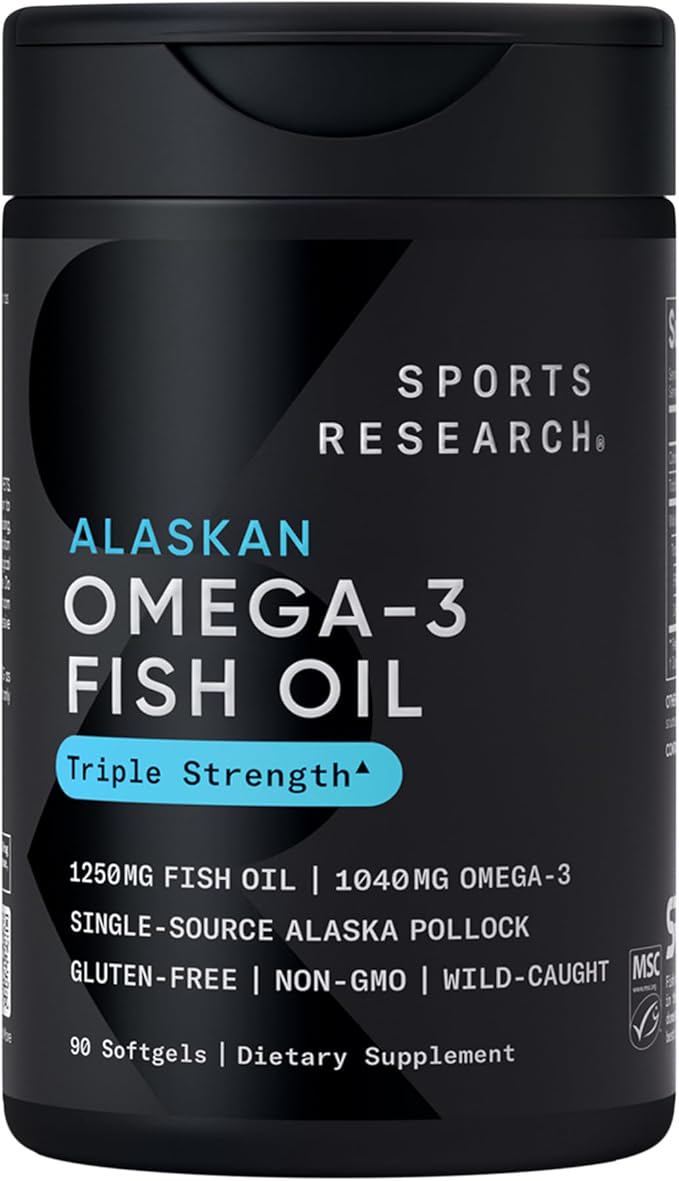
Salmon, sardines, mackerel, and anchovies are rich in EPA and DHA, two types of omega-3 fatty acids that directly fight inflammation. Studies have shown that women with PCOS who consume more omega-3s may see improvements in triglycerides, insulin sensitivity, and even mood. If fish isn't part of your routine, a high-quality fish oil or algae-based supplement can help fill the gap.
Fiber-rich carbohydrates
Not all carbs are inflammatory. Whole grains like quinoa, oats, and brown rice, along with legumes like lentils and chickpeas, provide steady energy without spiking blood sugar. The fiber in these foods also feeds beneficial gut bacteria, which influences estrogen metabolism and immune function—both relevant to PCOS.
Healthy fats from plants
Avocado, olive oil, nuts, and seeds (especially flaxseeds and chia seeds) deliver anti-inflammatory fats and fat-soluble vitamins. Flaxseeds contain lignans, which may help modulate estrogen levels. A tablespoon of ground flaxseed stirred into oatmeal or a smoothie is an easy daily addition.
Berries and low-glycemic fruits
Unlike high-sugar tropical fruits, berries (blueberries, raspberries, strawberries) are low on the glycemic index and loaded with polyphenols that reduce oxidative stress. Tart cherries and apples with the skin on are also good choices.
Anti-inflammatory herbs and spices
Turmeric, ginger, cinnamon, and rosemary aren't just flavor boosters. Curcumin (the active compound in turmeric) is a potent anti-inflammatory, and cinnamon has been shown to improve insulin sensitivity in some studies. Use them generously in cooking or sip them as teas.
What to limit or avoid
An anti-inflammatory diet for PCOS isn't about deprivation, but some foods consistently work against hormone balance. Reducing these can make a meaningful difference:
- Added sugars and refined grains: Soda, white bread, pastries, and sweetened cereals spike blood sugar and promote inflammation.
- Processed seed oils: Soybean, corn, sunflower, and canola oils are high in omega-6 fatty acids, which can tip the balance toward inflammation when consumed in excess.
- Dairy (for some): Not everyone with PCOS needs to avoid dairy, but some find that it exacerbates acne or inflammatory markers. If you suspect it affects you, try a 2- to 3-week elimination and note changes.
- Alcohol and caffeine: These can disrupt sleep, elevate cortisol, and put extra work on the liver. Moderation is key—limit to one drink or one coffee serving per day.
Sample meal ideas for a PCOS-friendly day
Breakfast: Veggie scramble with spinach, mushrooms, and avocado. Serve with a side of berries and a sprinkle of flaxseeds.
Lunch: Large salad with mixed greens, grilled salmon, cherry tomatoes, cucumber, olives, and a lemon-tahini dressing.
Snack: A small apple with a handful of walnuts or a slice of turkey rolled around a roasted red pepper strip.
Dinner: Lentil soup with turmeric and ginger, served with a side of roasted broccoli and a small scoop of quinoa.
Lifestyle factors that support the diet
Food is powerful, but it works best alongside other anti-inflammatory habits. Prioritizing seven to eight hours of quality sleep, managing stress through gentle movement or meditation, and staying well-hydrated all help lower inflammatory markers. Even a ten-minute walk after a meal can improve blood sugar handling—a huge plus for women with PCOS.
Frequently asked questions about an anti-inflammatory diet for PCOS
Can diet alone balance my PCOS hormones? Diet is a foundational tool, but it's not a replacement for medical care. Many women see improvements in cycle regularity, energy, and skin with dietary changes, but some still benefit from medication, supplements, or other treatments. Work with your healthcare provider to find the right combination for you.
How long does it take for an anti-inflammatory diet to work for PCOS? Some women notice changes in bloating and energy within the first few weeks. More significant shifts—like regular periods or improved lab markers—often take three to six months of consistent eating. Patience and consistency matter more than perfection.
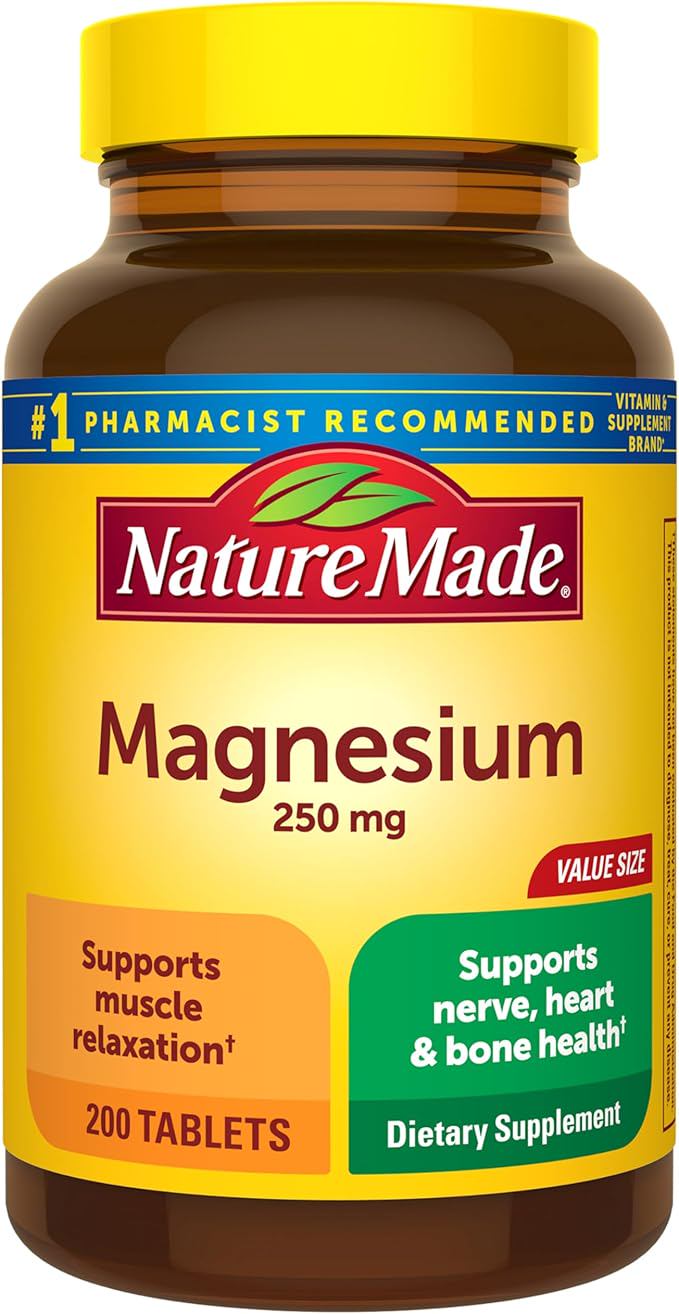
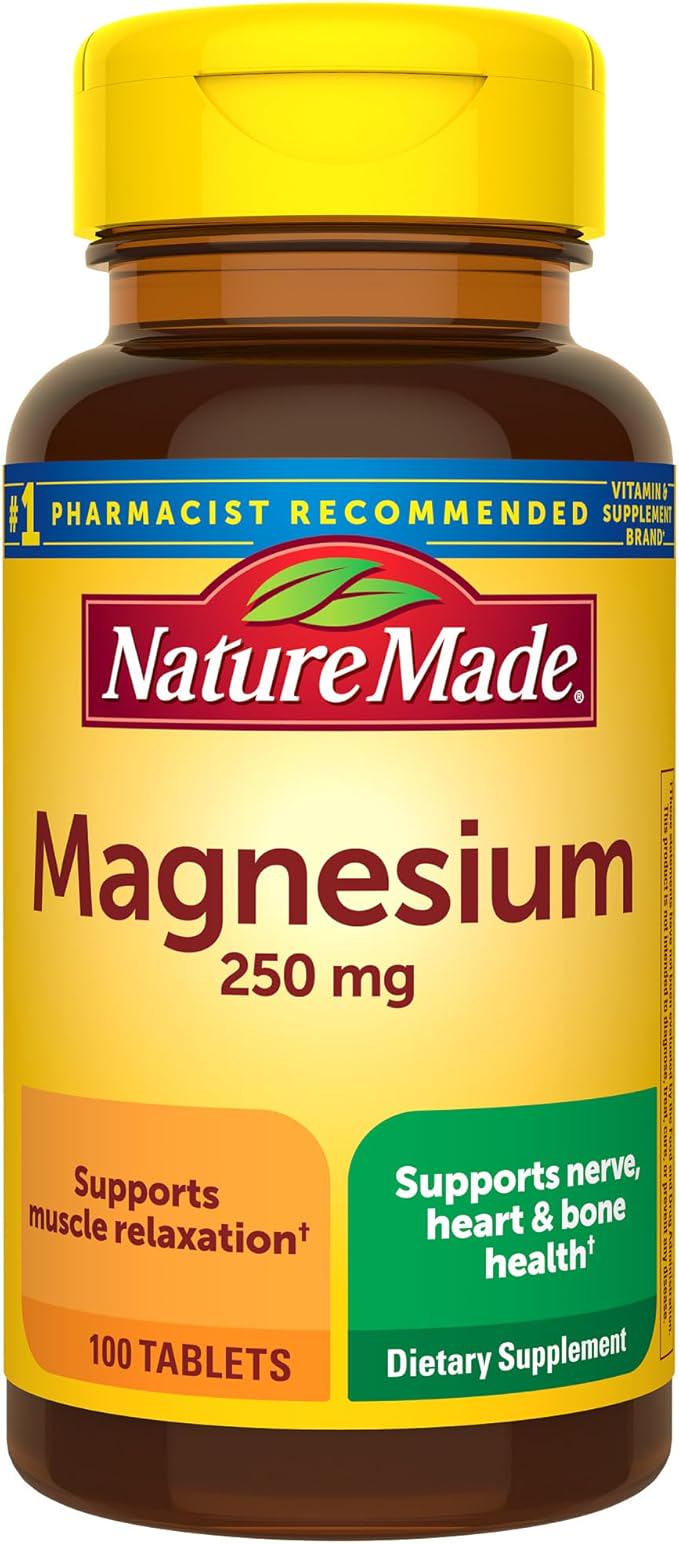
Should I take supplements while following this diet? Many women with PCOS benefit from targeted supplements like omega-3s, magnesium, inositol, or vitamin D. However, supplements should be chosen based on your individual nutrient status and under the guidance of a healthcare professional. No supplement can replace the foundation of a whole-foods diet.
Can I eat carbs on an anti-inflammatory diet for PCOS? Absolutely. The key is choosing unrefined, fiber-rich carbohydrates like oats, quinoa, beans, and starchy vegetables. Your brain and muscles need carbohydrates, and the fiber in whole-food sources actually helps reduce inflammation. It's the refined, sugary carbs that cause trouble—not carbs themselves.