
If you have acne-prone skin, you are likely no stranger to the small, flesh-colored or whitish bumps that seem to appear without warning, particularly around the nose, chin, and forehead. These are whiteheads, technically called closed comedones. Unlike inflamed pimples, they are non-inflammatory lesions — but they can be stubborn, frustrating, and a precursor to larger breakouts if handled incorrectly. This guide explains exactly what whiteheads are, why they form on acne-prone skin, and how to manage them with practical, dermatologist-informed strategies.
What exactly is a whitehead?
A whitehead forms when a pore becomes clogged with a mixture of dead skin cells, sebum (the skin’s natural oil), and sometimes bacteria. The pore remains closed at the surface, trapping the material under a thin layer of skin. This is what gives it the characteristic white or pale bump. On acne-prone skin, the process is accelerated because the sebaceous glands produce more oil than average, and the skin often does not shed dead cells efficiently — a condition called retention hyperkeratosis. That combination creates a fertile environment for whiteheads to multiply.
Why acne-prone skin is a hotspot for whiteheads
Acne-prone skin has a few built-in tendencies that make it more inviting to whiteheads. First, higher sebum production means more oil in the follicles. Second, the skin’s natural exfoliation process is often sluggish, so dead skin cells accumulate more quickly. Third, the microbiome of acne-prone skin may have a higher presence of Cutibacterium acnes bacteria, which can thrive inside a clogged pore. While whiteheads themselves are not inflamed, they can easily turn into inflammatory acne (papules and pustules) if the follicle wall ruptures or if you attempt to squeeze them.
A quick but important note: Whiteheads are not the same as milia, the tiny, hard cysts often found around the eyes. Milia contain keratin, not sebum and dead skin, and usually require professional extraction.
Common triggers that worsen whiteheads on acne-prone skin
Even if your skin is naturally prone to breakouts, certain everyday factors can amplify the number of whiteheads you see. Recognizing these triggers can help you tailor your routine.
- Heavy or occlusive skincare products: Creams, moisturizers, or sunscreens with thick emollients (like coconut oil, shea butter, or petrolatum) can seal in oil and dead cells, encouraging whiteheads. Look for labels that say “non-comedogenic,” though this is not a perfect guarantee.
- Inconsistent cleansing: Skipping a nightly cleanse or using a cleanser that is too gentle to remove oil-based debris can leave behind a film that contributes to clogging.
- Hormonal fluctuations: Androgens stimulate sebum production. Many acne-prone individuals notice an uptick in whiteheads around their menstrual cycle, during pregnancy, or when starting or stopping hormonal contraception.
- Physical friction or pressure: Resting your chin on your hands, wearing a mask for long periods, or even sleeping on a dirty pillowcase can push oil and dead cells deeper into pores.
- Dietary factors: While research is still evolving, some studies link high-glycemic foods (sugary snacks, white bread) and dairy with increased acne lesions, including whiteheads. This is individual — not everyone needs to cut these foods.
Practical steps to reduce whiteheads without irritation
Managing whiteheads on acne-prone skin requires a gentle-but-consistent approach. Over-exfoliating or using harsh scrubs often backfires by irritating the skin, which can trigger more oil production and inflammation. Here is a step-by-step framework.
1. Choose the right exfoliation strategy
Chemical exfoliants are generally more effective than physical scrubs for whiteheads because they dissolve the glue (desmosomes) holding dead skin cells together. The two most evidence-backed options are salicylic acid (beta-hydroxy acid, BHA) and retinoids.
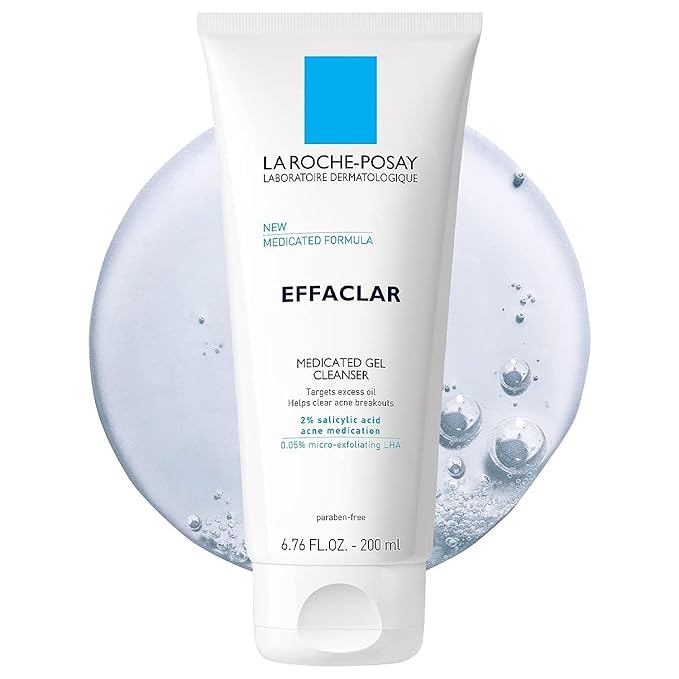
- Salicylic acid is oil-soluble, meaning it can penetrate into the pore to break up the debris. A cleanser or leave-on treatment with 0.5%–2% salicylic acid used a few times per week can help keep pores clear.
- Adapalene (an over-the-counter retinoid) is FDA-approved for acne and works by normalizing skin cell turnover. It can be highly effective for whiteheads, though it requires patience — results may take 8–12 weeks.
2. Cleanse properly, but not too much
Wash your face twice daily with a gentle, pH-balanced cleanser. Avoid foaming cleansers that strip the skin’s barrier, as this can lead to rebound oiliness. A second cleanse in the evening (double cleansing with an oil-based cleanser followed by a water-based one) helps dissolve sunscreen and makeup, ensuring pores are not left with a residue overnight.
3. Moisturize and protect
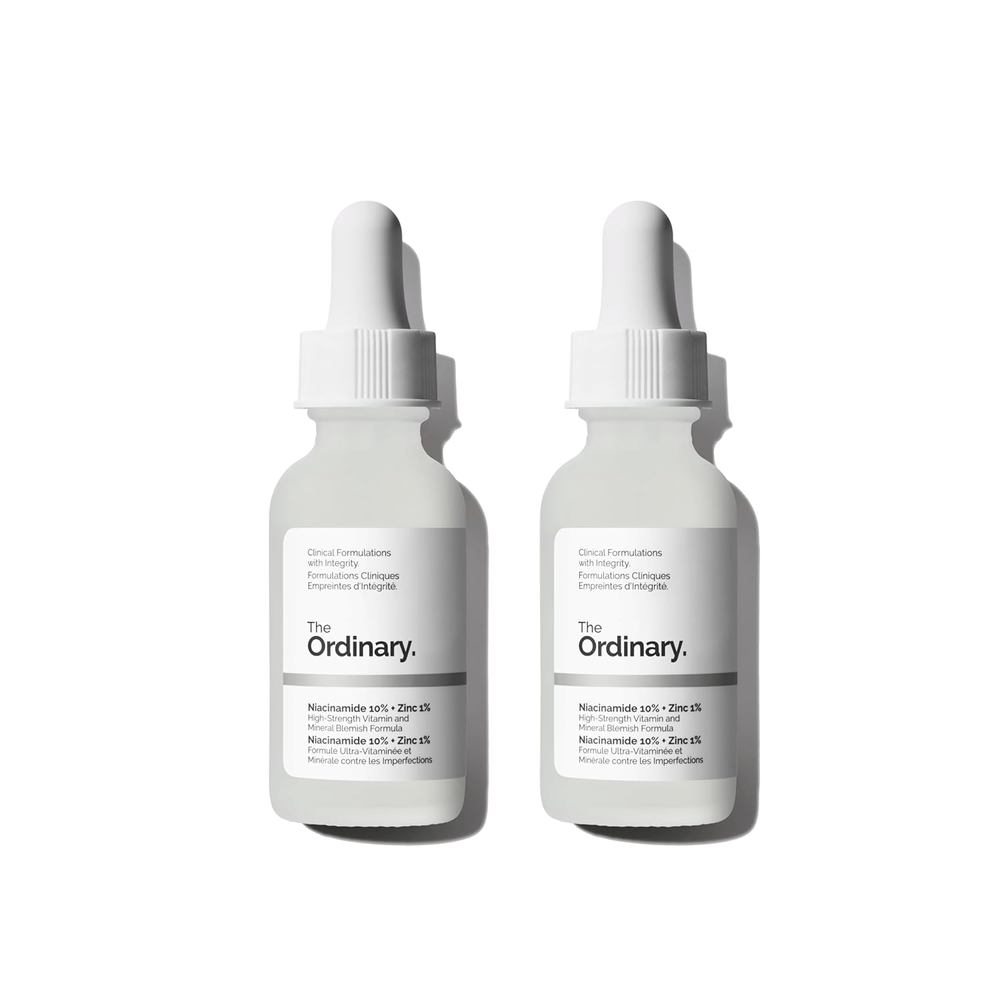
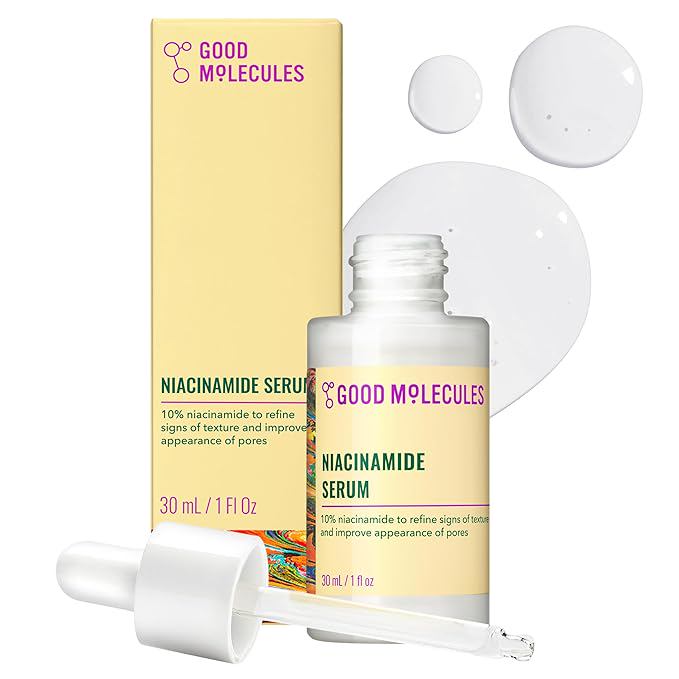
Acne-prone skin still needs moisture. Look for lightweight, gel-based moisturizers containing ingredients like hyaluronic acid, niacinamide, or glycerin. Niacinamide is especially useful because it can help regulate sebum production and reduce inflammation. And do not skip sunscreen: many exfoliants increase sun sensitivity, and sun damage can thicken the outer layer of skin, worsening clogs.
One more habit to avoid: Picking, squeezing, or trying to extract whiteheads at home. This often damages the follicle wall, leading to inflammation and potentially scarring. If you need extractions, see a licensed esthetician or dermatologist.
When to consider professional help
If you have tried a consistent skincare routine for two to three months and whiteheads persist — or if they are transitioning into inflamed acne — it is time to consult a dermatologist. Prescription options such as topical tretinoin, azelaic acid, or a short course of oral antibiotics (for inflammatory acne) may be appropriate. For persistent whiteheads, professional chemical peels (using salicylic acid or glycolic acid) or microdermabrasion can provide more rapid clearing. The key is to treat whiteheads early, before they escalate into more serious acne.
Whiteheads on acne-prone skin are not a sign of poor hygiene; they are a predictable outcome of how your skin naturally functions. With the right balance of exfoliation, barrier support, and patience, you can significantly reduce their frequency and keep your skin calmer.