Feeling tired of feeling tired? You’re not alone. In the search for better rest, many of us turn to the crowded shelf of sleep supplements, hoping to find something that quiets a racing mind or helps us stay asleep. It’s a reasonable step, but the sheer number of options—from melatonin gummies to herbal blends—can be overwhelming and even a little intimidating. How do you know what’s right for you, and how do you use it without causing more harm than good?
This guide is here to help you navigate that landscape with a clear, cautious approach. We’ll walk through the most common supplements, what the science actually says about them, and how to integrate them into your routine thoughtfully. The goal isn’t to find a magic pill, but to understand how these tools might support the foundation of good sleep habits you’re already building.
Understanding the most common sleep supplements
Before you choose anything, it helps to know what you’re looking at. Supplements aren’t medications; they’re not held to the same rigorous testing and approval standards. That makes your role as an informed consumer crucial. Here’s a breakdown of what you’re likely to encounter.
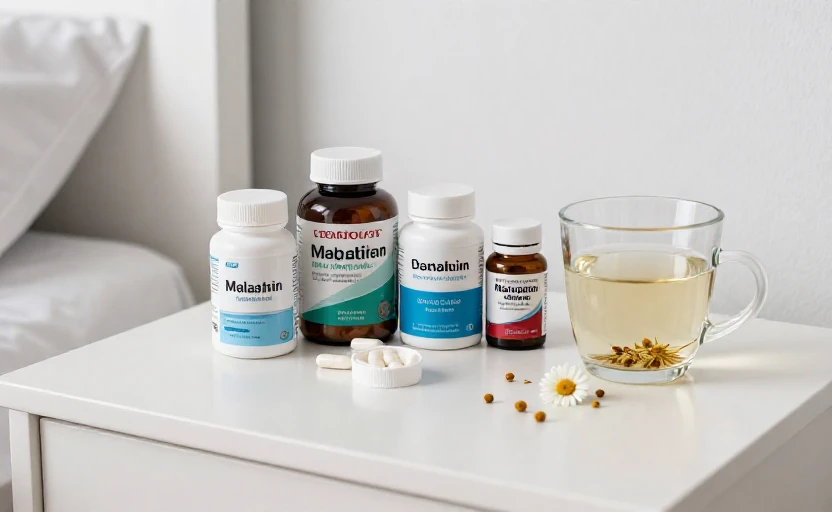
Melatonin is perhaps the most recognized. It’s a hormone your body naturally produces in response to darkness, signaling that it’s time to sleep. Supplemental melatonin is most useful for resetting your internal clock—think jet lag, shift work, or that weekend sleep schedule drift. It’s less effective for general insomnia where the timing of sleep isn’t the core issue.
Think of melatonin as a timing signal, not a knockout sedative.
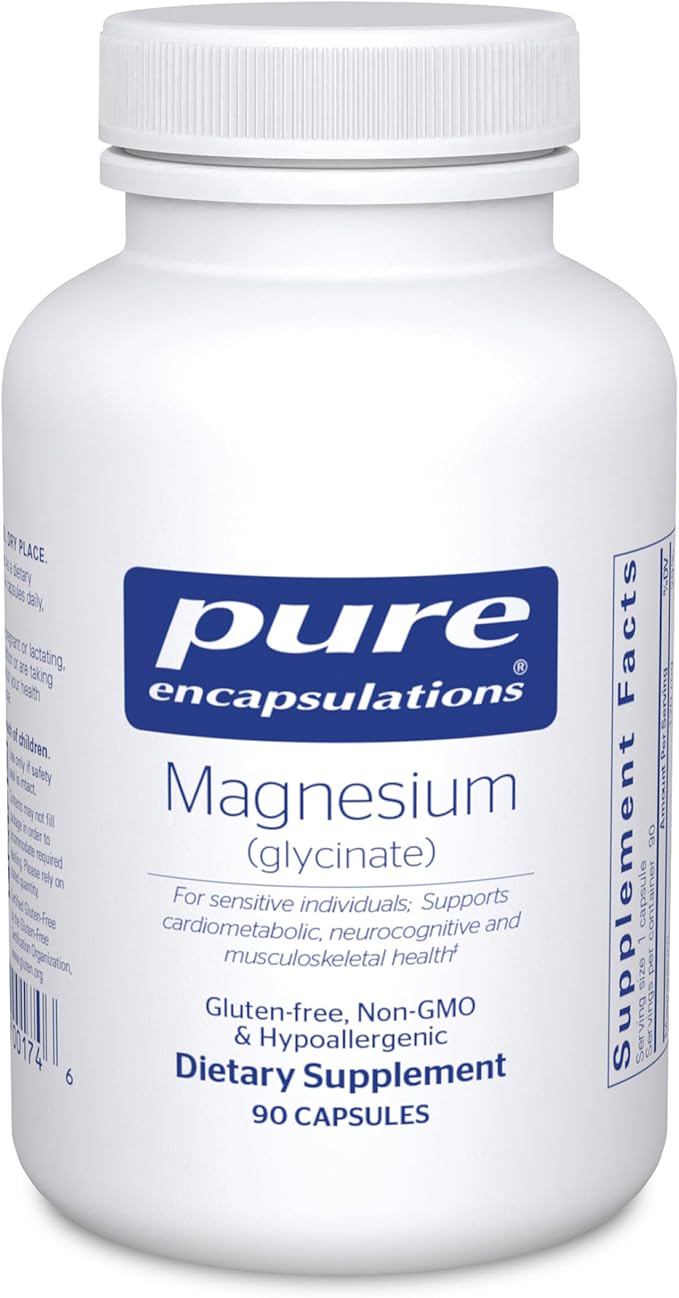
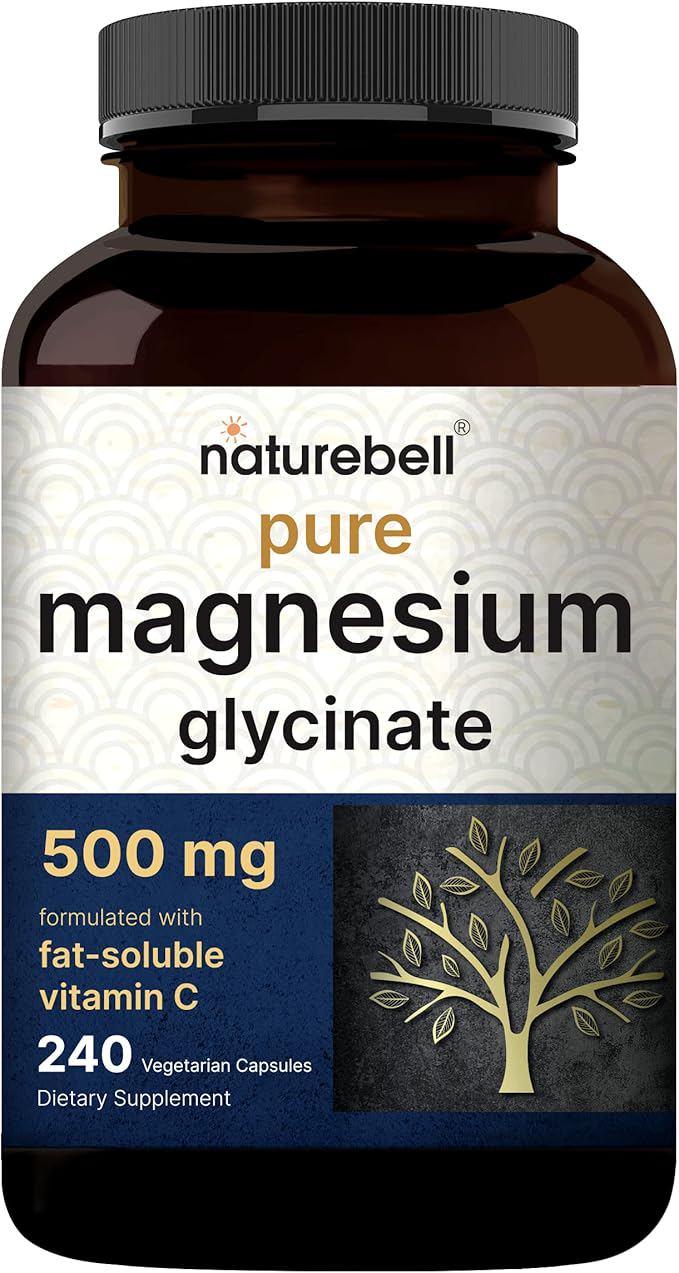
Magnesium is a mineral involved in hundreds of bodily processes, including muscle relaxation and nervous system regulation. Forms like magnesium glycinate are often promoted for sleep because glycine itself has calming properties. If your diet is low in magnesium-rich foods like leafy greens, nuts, and seeds, a supplement might help ease physical tension that interferes with rest.
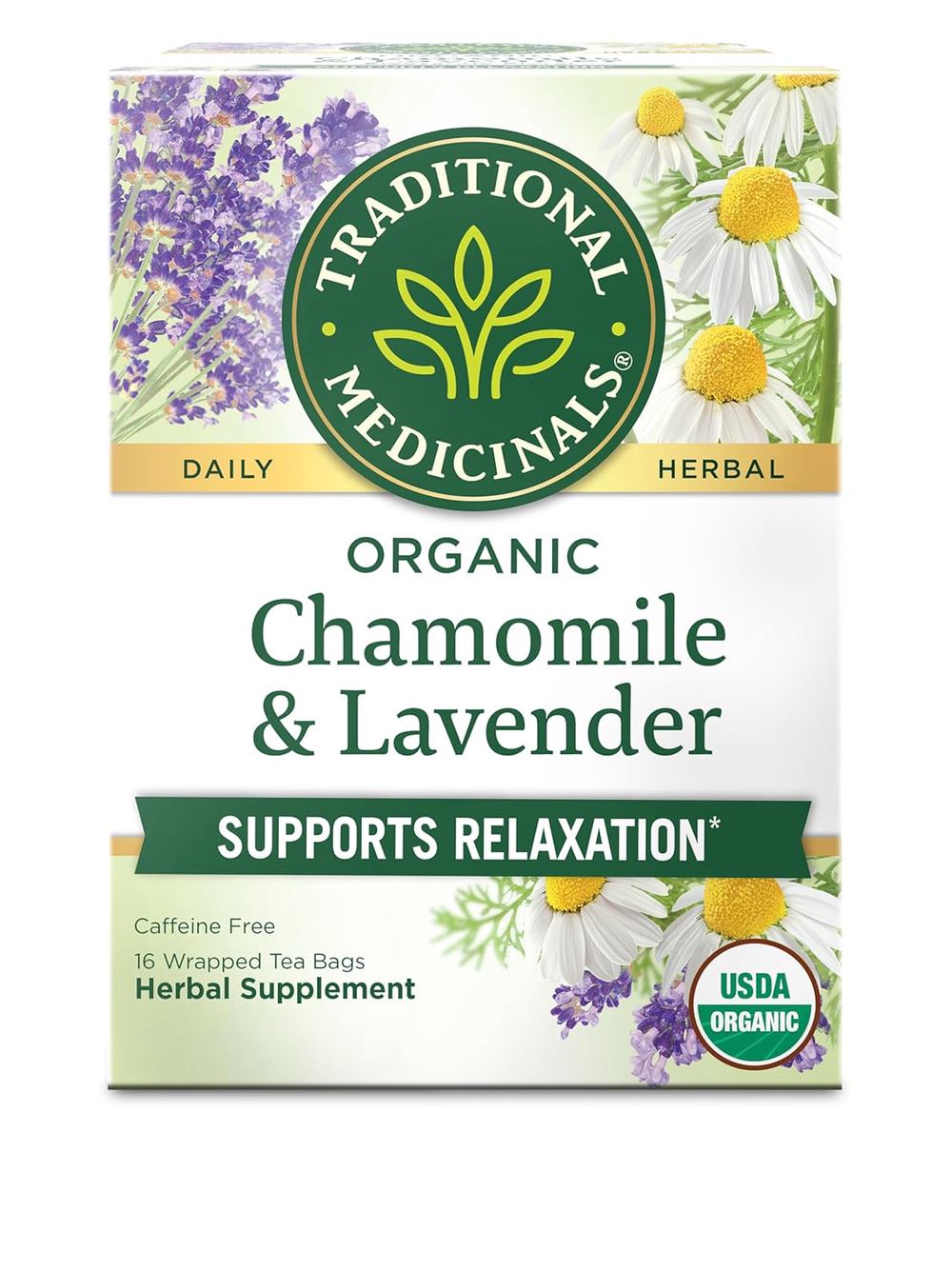
Herbal supplements like valerian root, chamomile, and lavender have long histories in traditional medicine. Valerian root may help some people fall asleep faster, while chamomile (often as a tea) is prized for its mild, calming effect. The evidence for these is more mixed than for melatonin, but many find them a helpful part of a wind-down ritual.
L-theanine, an amino acid found in tea leaves, is known for promoting relaxation without drowsiness. It’s often taken to quiet anxiety that can surface at bedtime, sometimes paired with magnesium or melatonin.
A framework for choosing what’s right for you
With so many options, how do you decide? Start by asking yourself a simple question: What is the main thing keeping me awake? Is it an inability to shut off your thoughts? Physical restlessness? Waking up too early? Your answer points you in a direction.
- For circadian rhythm issues (jet lag, delayed sleep): A low-dose melatonin supplement taken 30-60 minutes before your desired bedtime can be a useful reset tool.
- For mental chatter and anxiety: Herbal options like chamomile or supplements like L-theanine, combined with a breathing practice, might help ease the transition to sleep.
- For physical tension: Magnesium, particularly glycinate or citrate forms, may support muscle relaxation.
Always, the lowest effective dose is the best starting point. More is not better, especially with sleep aids. It’s also wise to introduce only one new supplement at a time. If you start three things simultaneously, you’ll have no idea what’s actually working—or causing an unwanted side effect.
The non-negotiable: safety and smart usage
This is the most important part of the guide. Supplements are accessible, but they are not risk-free.
Consult your doctor first. This is essential if you are pregnant, nursing, have a chronic health condition, or take any medications. Supplements can interact with prescriptions, like blood thinners or antidepressants, with serious consequences.
Look for third-party testing. Because regulation is loose, quality varies wildly. Seek out brands that display seals from independent testing organizations like USP, NSF, or ConsumerLab.com. These verify that what’s on the label is actually in the bottle and that the product is free from contaminants.
Timing and routine matter. A supplement isn’t a substitute for a sleep-conducive environment or habits. Take it as part of a consistent wind-down routine—after you’ve turned off bright screens, dimmed the lights, and perhaps done some light reading. This signals to your body that the supplement is part of the sleep process.
Listen to your body and be patient. Some supplements, like valerian, might work immediately for some. Others, like magnesium, might need consistent use over a week or two to notice an effect. If you experience grogginess the next day, headaches, or vivid dreams, note it. You may need to adjust the dose or the timing.
Building a foundation for better sleep
Think of sleep supplements as one tool in a larger toolbox. They work best when supporting solid sleep hygiene, not replacing it. No supplement can overcome the effects of chronic late-night screen time, an inconsistent schedule, or a bedroom that’s too warm.
Prioritize the fundamentals: a cool, dark, and quiet sleep environment; a regular wake-up time (even on weekends); limiting caffeine and alcohol close to bedtime; and giving yourself a true buffer zone to unwind before trying to sleep. A supplement can be the gentle nudge that helps you cross the finish line, but it can’t run the race for you.
If you’ve given a supplement a fair trial alongside improved habits and still see no change in your sleep after a few weeks, it may not be the right solution for you. Persistent sleep problems are a reason to have a deeper conversation with a healthcare provider, as they can be a symptom of other conditions like sleep apnea or anxiety disorders.
Approaching sleep supplements with curiosity, caution, and realistic expectations allows you to use them as the supportive aids they are meant to be. The ultimate goal is restful, restorative sleep, and getting there safely is what matters most.