
For millions who work nights, rotating shifts, or early mornings, sleep isn't a simple matter of turning off the light. Shift work sleep disorder (SWSD) is the persistent mismatch between your work schedule and your body's internal clock, leading to insomnia when you try to sleep and excessive sleepiness when you need to be alert. It's a real, exhausting condition that can affect health, safety, and quality of life.
In the search for better sleep, many shift workers turn to melatonin. This hormone, naturally produced by your brain in response to darkness, is a key signal for sleep. The idea of using a supplement to mimic that signal is compelling. But how does it actually work for SWSD? Is it a simple fix, or a tool that requires careful understanding? This guide walks through the practical considerations, separating the hopeful science from the hype, to help you make an informed choice.
How Melatonin Works for Shift Workers
Your circadian rhythm is your body's 24-hour master clock, largely set by light exposure. For day workers, melatonin levels rise in the evening, promoting sleepiness, and fall in the morning, supporting wakefulness. A night shift completely flips this script: you're fighting bright light when your body expects darkness and trying to sleep when your internal clock says it's time to be up.
Supplemental melatonin doesn't knock you out like a sleeping pill. Instead, it acts as a chronobiotic—a substance that can shift the timing of your circadian clock. When taken at a strategic time, it can help nudge your body's sleep-wake cycle to better align with your unconventional schedule. The goal isn't sedation, but resynchronization.
Think of melatonin less as a sleeping pill and more as a timing signal for your internal clock.
Strategic Timing is Everything
This is the most critical piece of the puzzle. Taking melatonin at the wrong time can actually make your sleep problems worse by shifting your clock in the wrong direction. The general principle for shift work is to take it before your intended daytime sleep period.
For a typical night shift worker who sleeps from, say, 9 a.m. to 5 p.m., taking a small dose of melatonin (often 0.5 mg to 3 mg) around 8 a.m., just before heading home and preparing for bed, can help signal that it's now the body's "night." This timing helps advance your circadian phase, making it easier to fall asleep and stay asleep during the day.
Consistency is key. Using it sporadically is far less effective than making it a regular part of your pre-sleep routine on workdays.
Choosing a Dose and Product
More is not better with melatonin. Studies on shift work often use surprisingly low doses, sometimes as little as 0.5 milligrams. Higher doses (like the 5 mg or 10 mg tablets commonly found on shelves) don't necessarily improve efficacy for circadian shifting and can increase the risk of morning grogginess, headaches, or vivid dreams.
- Start low: Begin with a 0.5 mg to 1 mg dose.
- Go slow: Give it several days to assess effects before considering a slight increase.
- Look for reliability: Choose a supplement from a reputable brand that adheres to good manufacturing practices, as melatonin content can vary between products.
Melatonin is One Part of the Solution
Relying on melatonin alone while ignoring other sleep hygiene factors is unlikely to solve SWSD. It should be woven into a broader strategy for managing sleep with an irregular schedule.
Mastering Light Exposure
Light is the most powerful reset button for your circadian rhythm. Use it deliberately. Wear blue-light-blocking sunglasses on your commute home in the morning to prevent sunlight from telling your brain it's time to wake up. Conversely, during your night shift, seek bright light (especially blue-spectrum light) to promote alertness. When you wake up in the afternoon or evening before your shift, expose yourself to bright light to help your body understand it's now "morning."
Crafting a Sleep-Conducive Environment
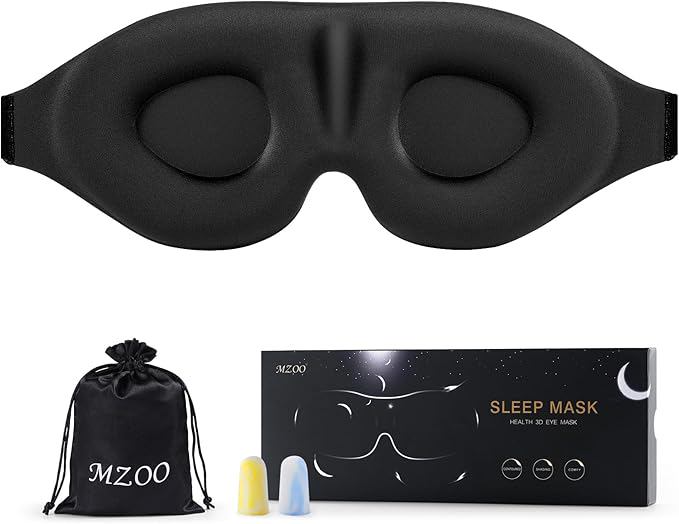
Your daytime sleep environment must fiercely defend against light and noise. Use blackout curtains or a quality sleep mask, and consider white noise or earplugs to dampen daytime sounds. Maintain a cool, comfortable temperature in your bedroom and communicate your sleep schedule to household members to minimize interruptions.
Establishing a Wind-Down Routine
Just like a night sleeper, you need a buffer zone before bed. After your shift, create a relaxing ritual: take a warm shower, read a book (not on a bright screen), or practice gentle stretching. This tells your nervous system it's time to transition from work mode to sleep mode, making the melatonin's signal more effective.
Important Considerations and Cautions
Melatonin is generally well-tolerated for short-term use, but it's not for everyone. It can interact with certain medications, including blood thinners, immunosuppressants, and some diabetes and blood pressure drugs. If you have an autoimmune condition or are pregnant or breastfeeding, you should consult a doctor before use.
The most common side effects are daytime drowsiness, dizziness, and headaches, which are often dose-related. More importantly, while melatonin can improve sleep timing and quality for shift workers, it does not fully eliminate the risks associated with shift work, such as the long-term cardiovascular or metabolic impacts. It is a management tool, not a cure.
If your sleep disorder symptoms are severe, or if you have underlying health conditions, a conversation with a sleep specialist is essential. They can provide a proper diagnosis and help you build a comprehensive plan, which may include other strategies like timed light therapy or cognitive behavioral therapy for insomnia (CBT-I).
Navigating sleep with shift work is a challenge, but it's not insurmountable. By understanding how melatonin works as a timing signal and combining it with disciplined light management and sleep hygiene, you can create a more sustainable rhythm. It requires patience and consistency, but the reward—more restful, reliable sleep—is foundational to your health and well-being.