
The teenage brain is a construction site of epic proportions. While the body may look nearly grown, the brain is undergoing a massive, intricate rewiring process that lays the foundation for adult cognition, emotional regulation, and mental well-being. This period of intense development creates a unique nutritional demand. The foods a teen eats aren't just fuel; they are the raw materials for building a resilient, sharp, and healthy mind.
Understanding which nutrients play starring roles can feel overwhelming. This guide breaks down the key players, explaining not just what they do, but where to find them in everyday foods, offering a practical map for supporting this critical phase of growth.
The Building Blocks: Omega-3s and Protein
Think of the brain's structure as a complex network of roads. Omega-3 fatty acids, particularly DHA (docosahexaenoic acid), are a primary component of the pavement itself—the cell membranes of neurons. Adequate DHA supports fluid communication between brain cells, which is essential for learning, memory, and mood stability.
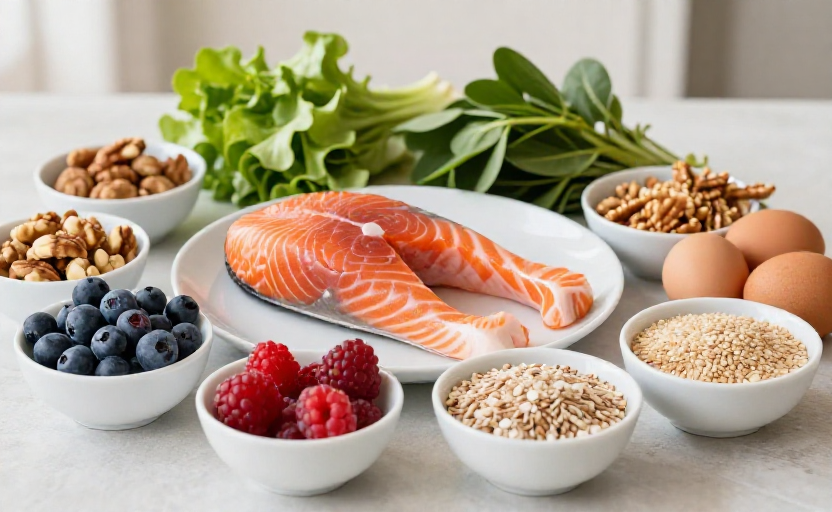
Fatty fish like salmon, mackerel, and sardines are the most direct sources of DHA. For those who don't eat fish, algae-based supplements or foods fortified with algal oil can be an alternative source.
Protein provides the amino acids that act as messengers. Neurotransmitters like serotonin and dopamine, which regulate mood, focus, and motivation, are built from amino acids found in dietary protein. A steady supply helps maintain balanced brain chemistry.
Excellent sources include:
- Lean meats, poultry, and eggs for a complete amino acid profile.
- Legumes like lentils and chickpeas, which are also rich in fiber.
- Nuts, seeds, and dairy products for versatile options throughout the day.
The Protectors: Antioxidants and Choline
The teen brain is metabolically hyperactive, which can generate free radicals—unstable molecules that can cause cellular wear and tear. Antioxidants act as a defense system, neutralizing these compounds and protecting delicate brain tissue.
Brightly colored fruits and vegetables are powerhouses here. Berries (blueberries, strawberries), leafy greens (spinach, kale), and even dark chocolate are rich in flavonoids and other protective compounds. The goal is a colorful plate.
Choline is a less-celebrated but crucial nutrient. It's used to produce acetylcholine, a neurotransmitter vital for memory, focus, and muscle control. It also supports the integrity of cell membranes.
You'll find choline in eggs (particularly the yolk), soy products, lean beef, and cruciferous vegetables like broccoli.
The Spark Plugs: B Vitamins, Iron, and Zinc
This group of nutrients functions like the skilled crew that keeps the brain's energy plant running smoothly. B vitamins—especially B6, B9 (folate), and B12—are co-factors in the production of neurotransmitters and in the cellular process that turns food into usable energy for the brain.
A shortfall can lead to mental fog and fatigue. Whole grains, legumes, eggs, and leafy greens are excellent sources of many B vitamins, while B12 is found primarily in animal products like meat, fish, and dairy.
Iron is critical for oxygen transport to the brain. Even mild deficiency can impair concentration and cognitive function. Lean red meat, poultry, lentils, and fortified cereals are key sources. Pairing these with a source of vitamin C (like bell peppers or citrus) enhances iron absorption.
Zinc is involved in nerve signaling and is concentrated in brain regions linked to learning and memory. Seeds (pumpkin, hemp), legumes, and lean meats are reliable dietary sources.
Putting It Into Practice
The goal isn't perfection or forcing specific foods, but rather building a pattern that consistently delivers these nutrients. It starts with a foundation of whole foods: plenty of vegetables and fruits, quality proteins, whole grains, and healthy fats.
Instead of focusing on restriction, frame choices around addition. Could we add some walnuts or chia seeds to the morning oatmeal for omega-3s? Could a hard-boiled egg be an afternoon snack for protein and choline? Could we include salmon or lentils in dinner a few times a week?
Hydration is also part of the equation. Even mild dehydration can affect cognitive performance and mood. Encouraging water as the primary drink supports overall brain function.
When to Consider a Closer Look
While a varied diet is the best path, some teens may have increased needs or dietary patterns that make it challenging to get enough of certain nutrients. Extremely picky eating, vegan or vegetarian diets without careful planning, or certain medical conditions can create gaps.
If there's a concern about nutritional adequacy, the most helpful step is to consult with a pediatrician or a registered dietitian. They can provide personalized guidance and determine if a simple multivitamin or a specific supplement might be appropriate to fill a known gap, ensuring the brain gets what it needs during this pivotal time.