
Supporting a child’s immune system often feels like a puzzle. You know nutrition is a key piece, but with so much information, it’s hard to know where to focus. The goal isn’t to chase a magic bullet or overload on supplements, but to build a steady, reliable foundation through everyday foods. Certain nutrients play starring roles in the complex dance of immune function, helping to build defenses and maintain balance. Let’s look at the key players and how to weave them seamlessly into your family’s routine.
Why Nutrition Matters for Growing Immune Systems
A school-age child’s body is a construction zone, building not just bones and brains, but a sophisticated defense network. The immune system learns and adapts constantly, and the nutrients from food provide the raw materials for this ongoing project. Think of it as supplying the right tools and building blocks—without them, the system can’t build strong walls or deploy its responders efficiently. Consistent, balanced intake helps ensure the body has what it needs on hand to mount an appropriate response to challenges and return to a calm, vigilant state afterward.
The Core Nutrient Team
While a varied diet is paramount, a few nutrients deserve special attention for their direct and supportive roles in immune health.
Vitamin C
More than just a common cold staple, vitamin C is a multitasker. It supports the skin’s barrier function—our first line of defense—and aids in the production and function of various immune cells. It’s also a powerful antioxidant, helping to protect cells from damage.
Focus on whole foods: a medium orange or a cup of strawberries can meet a child’s daily needs.
Excellent sources include citrus fruits, strawberries, kiwi, bell peppers (especially red and yellow), broccoli, and tomatoes.
Vitamin D
Often called the “sunshine vitamin,” vitamin D acts more like a hormone and is crucial for immune regulation. It helps direct immune cells to the site of need and modulates the system’s response, preventing it from becoming overactive.
Food sources are fewer, making it a nutrient to be mindful of. Look to fortified milks and cereals, fatty fish like salmon and tuna, and egg yolks. Safe, moderate sun exposure also contributes to production in the skin.
Zinc
Zinc is essential for the normal development and function of immune cells. It’s involved in countless processes in the body, including wound healing and maintaining the integrity of mucosal barriers, like those in our respiratory and digestive tracts.
You’ll find zinc in foods like lean meats, poultry, seafood (especially oysters), beans, lentils, nuts, seeds, and whole grains.
Probiotics and Gut Health
A significant portion of the immune system resides in the gut, interacting with the community of bacteria living there, known as the microbiome. Supporting a healthy gut environment indirectly supports immune function.
Probiotics are beneficial bacteria found in fermented foods like yogurt with live active cultures, kefir, and some aged cheeses. Prebiotics, which feed the good bacteria, come from fiber-rich foods like bananas, onions, garlic, asparagus, and whole grains.
Building Immune-Supportive Meals
The magic happens when these nutrients come together on the plate. It’s about patterns, not perfection.
- Colorful Produce: Aim for a rainbow. Each color represents different beneficial plant compounds and vitamins. Add berries to oatmeal, bell pepper strips to lunch boxes, or serve a side of steamed broccoli at dinner.
- Lean Proteins: Incorporate zinc-rich foods regularly. A turkey sandwich on whole grain, a bean and cheese burrito, or a serving of salmon provides protein plus other key minerals.
- Healthy Fats: Fats from avocados, nuts, seeds, and olive oil help the body absorb fat-soluble vitamins and support overall cell health, including immune cells.
Navigating Common Challenges
Even with the best intentions, real life intervenes. Picky eating phases, busy schedules, and skipped meals are part of family life. The strategy is gentle persistence and consistency over time.
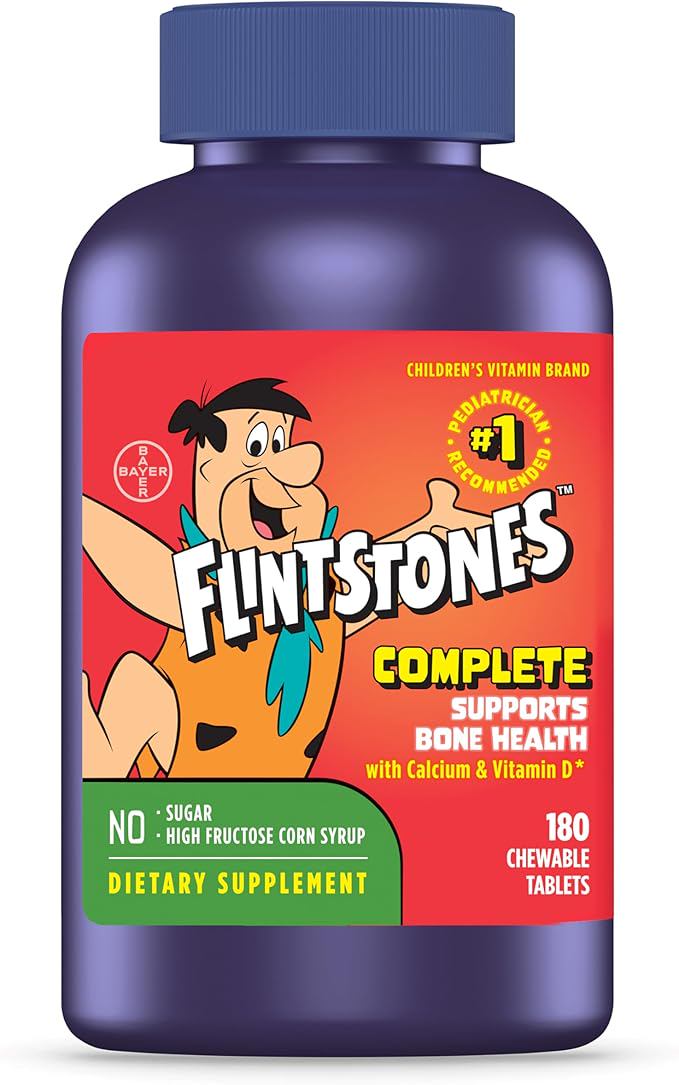
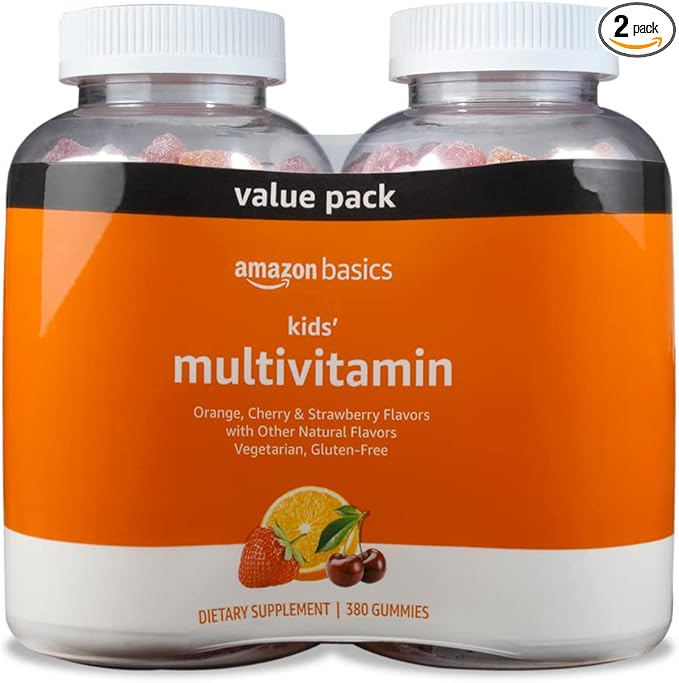
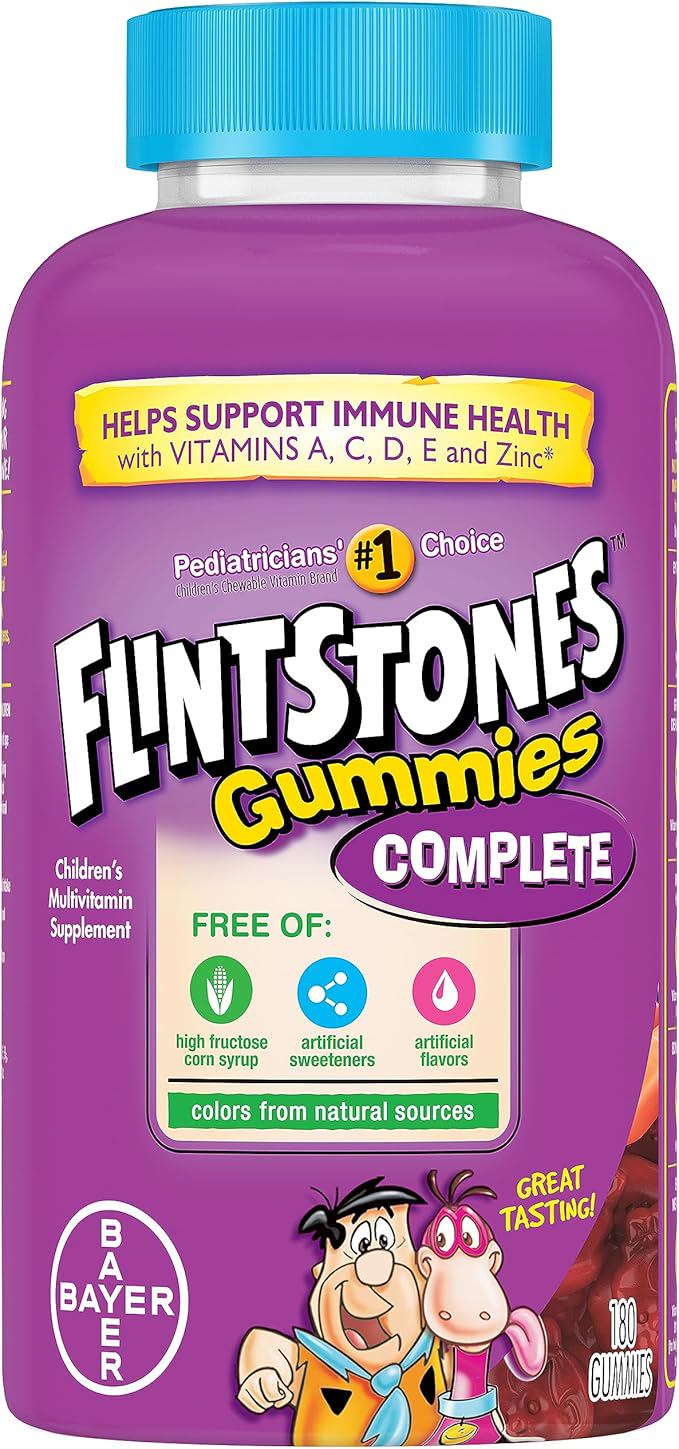
If you’re concerned about significant gaps in your child’s diet, such as consistent avoidance of entire food groups, a conversation with a pediatrician or a registered dietitian can provide personalized guidance. They can help assess if a simple multivitamin or specific supplement might be appropriate to fill a short-term gap, but whole foods should remain the primary goal.
Ultimately, supporting immunity through nutrition is a long-term investment in resilience. It’s less about warding off every single sniffle and more about providing the foundational support that allows a child’s own robust system to do its job well. By consistently offering a variety of nutrient-rich foods, you’re giving them the tools they need to grow strong, inside and out.