
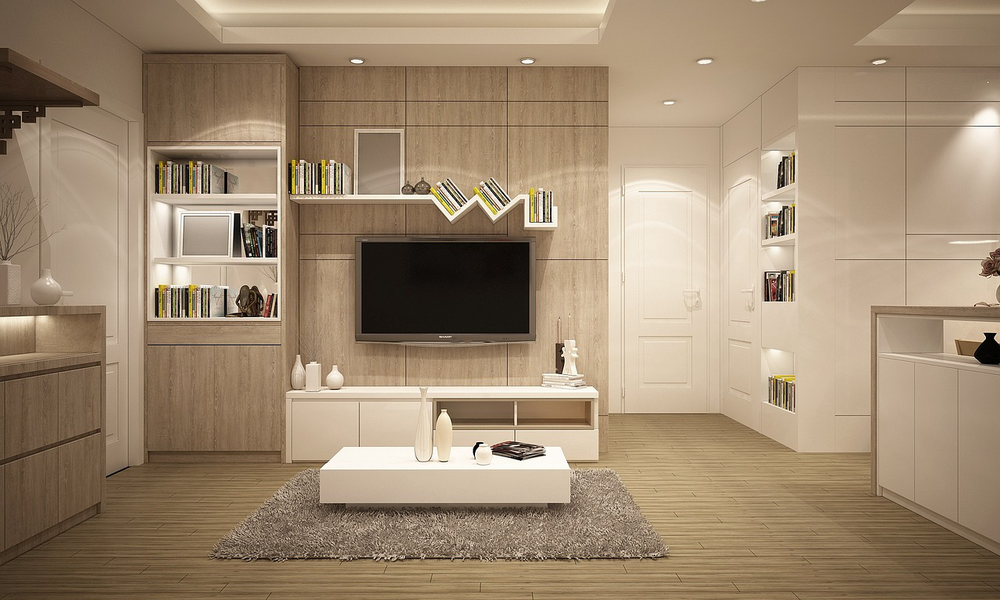
Keeping your family safe at home sounds straightforward, yet many households overlook hazards until something happens. A home safety checklist turns reactive worry into proactive peace of mind. By methodically working through each room and considering the specific needs of children, older adults, and pets, you can drastically reduce the risk of accidents. Here is a practical, room-by-room approach to building a checklist that works for your family.
Start with the kitchen and bathroom
These two rooms are responsible for the majority of household injuries. In the kitchen, verify that pot handles are turned inward while cooking, sharp knives are stored in a locked drawer or a high cabinet, and cleaning products are out of reach of small children. Check that your fire extinguisher is mounted near the exit, not next to the stove, and that the smoke alarm is within earshot. In the bathroom, confirm that medications are stored in a locked container, slip-resistant mats are in the tub and on the floor, and the water heater temperature is set no higher than 120°F (about 49°C) to prevent scalding.
"A good checklist is never set in stone. Revisit it every six months or whenever a child reaches a new stage of mobility."
Secure the living areas and bedrooms
In living rooms and dens, anchor heavy furniture—bookshelves, dressers, TVs—to the wall to prevent tipping. Cover unused electrical outlets with safety plugs or sliding outlet covers. Check that all cords are tucked away and not frayed. For bedrooms, especially those used by young children, ensure window blinds have cordless operation or that pull cords are cut short and secured. Cribs should have no drop-side rails, mattress sheets should fit snugly, and nothing soft should be placed in the crib with an infant. For older adults, ensure clear pathways from the bed to the bathroom and consider motion-activated nightlights.
Don't forget stairs, hallways, and entryways
Stairs are a leading site for falls. Inspect handrails on both sides for sturdiness; they should support the full weight of an adult. Confirm that stair treads are secure and that carpeting is not loose. Use safety gates at the top and bottom of stairs for homes with toddlers or pets. In hallways, remove loose rugs or secure them with rug grippers, and ensure that all pathways are free of clutter, shoes, and bags. Test that your entryway lighting is bright enough and that the lock on your front door is functioning well.
Include fire, carbon monoxide, and emergency preparedness
Every home should have working smoke alarms on every level, inside each bedroom, and outside sleeping areas. Test them monthly and change batteries at least once a year. Install carbon monoxide detectors near sleeping areas and on each floor. Review and practice your family’s fire escape plan twice a year, making sure everyone knows two ways out of every room and a meeting spot outside. Keep a well-stocked first aid kit in an accessible location, and include a list of emergency phone numbers—poison control, local emergency services, and your family doctor—posted near the landline or on the refrigerator.
Tailor the checklist to your family's unique needs
No two families are exactly alike, so your checklist should reflect your household. If you have an infant, add items about safe sleep, choking hazards such as small toys and coins, and baby-proofing cabinets and drawers. If an older adult lives with you, focus on fall prevention: removing throw rugs, improving lighting, installing grab bars in the shower and near the toilet, and ensuring that frequently used items are stored within easy reach. For pet owners, secure trash cans, lock away poisonous plants and human medications, and check that toys are not small enough to be swallowed.
Room-by-room checklist summary
- Kitchen: Burner guards, child-proof latches on lower cabinets, fire extinguisher, and anti-scald devices on faucets.
- Bathroom: Non-slip mats, toilet locks, medicine storage in locked cabinet, and grab bars near bath and toilet.
- Living room: Furniture anchors, cordless window coverings, outlet covers, and stable TV mounts.
- Bedrooms: Safe crib setup, low bed for toddlers, cordless blinds, and clear floor paths.
- Stairs and hallways: Sturdy handrails, safety gates (top and bottom), and non-slip treads.
- General: Test smoke and CO alarms, practice fire drills, keep first aid kit updated, and store emergency contacts visibly.
When to update your checklist
Your family’s needs will change over time, so treat your checklist as a living document. Update it after a new baby arrives, when a child starts crawling or walking, before and after a renovation, when a pet joins the family, or after any home safety incident. Set a reminder to walk through your home with fresh eyes twice per year—perhaps when daylight saving time changes—and make it a family activity so everyone knows what to look for.
Creating a home safety checklist does not need to be an overwhelming project. Start with the highest-risk areas and expand from there. Each item you add and check off is a small but meaningful step toward preventing an accident and protecting the people you love.