
Most of us associate low blood sugar with the obvious signs: trembling hands, clammy skin, and that sudden, urgent hunger. But in my years covering metabolic health, I've heard from many readers whose hypoglycemia presented in ways that were far less obvious—and far more confusing. They described symptoms like odd mood changes, trouble focusing, or feeling tired for no apparent reason, only to discover their blood sugar had dipped into worrying territory.
Relying solely on the classic signs can leave you vulnerable, especially during sleep or when you're distracted. Understanding these seven subtle warning signs can help you catch hypoglycemia sooner, potentially preventing more severe drops that require urgent care. As always, this information is for educational purposes and is not a substitute for individualized medical advice from your healthcare provider.
1. Sudden mood swings or irritability
Glucose is the brain's primary fuel. When levels drop, your brain's ability to regulate emotions can falter. You might find yourself snapping at a loved one, crying over a minor inconvenience, or feeling unexpectedly anxious. This isn't just about being hangry—it's a genuine neuroglycopenic symptom. Some people describe a sense of dread or fear that seems to come from nowhere. If your mood shifts rapidly and you have diabetes or are prone to blood sugar fluctuations, check your glucose before assuming it's an emotional issue.
2. Difficulty concentrating or brain fog
You're in the middle of a work task, and suddenly you can't seem to string thoughts together. Words feel slippery, you forget what you were just about to do, or reading becomes a struggle. This cognitive cloudiness stems from the brain's reduced glucose supply. It's easy to chalk it up to tiredness or distraction, but when it happens repeatedly around meals or after exercise, hypoglycemia could be the culprit.
3. Unexplained fatigue or weakness
Not the drowsy kind of fatigue that follows a poor night's sleep. This is a sudden, heavy sense of tiredness—your limbs feel like lead, or you need to sit down abruptly. Some people describe it as a wave of weakness that passes through them. Unlike a typical tired spell, this type of fatigue can lift relatively quickly once blood sugar normalizes. If you experience this pattern, it's worth tracking alongside your glucose readings.
4. Nausea without other stomach symptoms
Hypoglycemia can trigger the autonomic nervous system in ways that make you feel queasy. This isn't the usual stomach bug or food poisoning; it's nausea without vomiting, diarrhea, or cramping. It may come on subtly, then fade as your blood sugar recovers. Some people report a vague sensation of being "off" in their stomach, which is easily dismissed as something they ate.
5. Blurred or double vision
Low blood sugar can affect the lenses of your eyes and the nerves that control eye movement. You might notice that words on a page become hard to read, or that objects look slightly doubled. This symptom can be alarming, but it's usually temporary and resolves with glucose correction. If you experience visual changes frequently, especially alongside other subtle symptoms, hypoglycemia is worth investigating.
6. Headache that feels different from tension or migraine
A hypoglycemic headache often feels like a dull, generalized ache rather than a sharp or throbbing pain. It might be accompanied by a sense of pressure behind the eyes or a feeling of light-headedness. Because headaches are so common, this sign is easy to overlook. Consider checking your blood sugar if you develop a headache that doesn't match your usual pattern, particularly if it happens before meals or during physical activity.
7. Numbness or tingling in the lips, tongue, or fingers
This paresthesia can be a sign that your blood sugar has dropped enough to affect nerve function. It may feel like your lips are slightly numb, your tongue feels clumsy, or your fingertips tingle. This is distinct from the more familiar shaking or sweating. It's a subtle physical cue that your body is struggling to maintain neurological stability. If you notice this sensation, especially in combination with any of the above signs, it's time to check your glucose level.
When to act
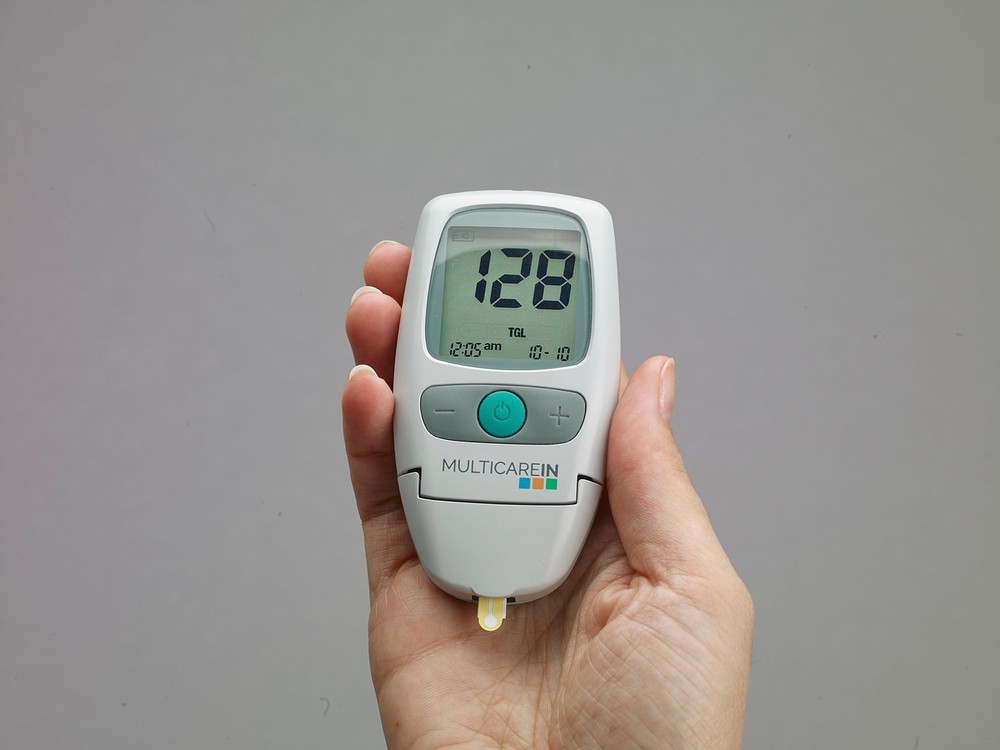
If you recognize any of these signs and you have a glucose meter or continuous glucose monitor (CGM), check your blood sugar. For most people, treatment is indicated below 70 mg/dL, but your target range may differ based on your health plan. In general, the rule of 15 applies: consume 15 grams of fast-acting carbohydrate (such as glucose tablets, fruit juice, or regular soda), wait 15 minutes, and recheck. If symptoms don't improve, seek medical attention. Severe hypoglycemia that causes confusion, unconsciousness, or seizures requires emergency treatment including glucagon.
The takeaway for readers
Hypoglycemia doesn't always announce itself in the textbook way. By staying alert to these subtler signals—mood changes, brain fog, fatigue, nausea, vision shifts, unusual headaches, and tingling sensations—you can respond earlier and avoid more dangerous lows. Keep a symptom journal, discuss any patterns with your doctor, and never hesitate to test when something feels off. Your body often speaks in whispers before it starts to shout.