
You’ve probably blamed your late-night leg twitching on genetics, stress, or that extra cup of coffee. But what if the real culprit is your bedroom itself? Restless legs syndrome (RLS) affects up to 10% of adults, and for many, symptoms jump from annoying to unbearable the moment they hit the sheets. While RLS has complex neurological roots, your sleep environment can act like a dimmer switch — dialing symptoms up or down. The good news: once you recognize the environmental clues, you can start fixing them tonight.
Here are seven signs that your bedroom might be sabotaging your legs, and what to do about it before you reach for another sleep aid.
1. Your bedroom temperature is too warm or you trap heat in bed
A warm room might feel cozy, but heat is a known provocateur for restless legs. When your core temperature rises — especially if you use heavy comforters, flannel sheets, or sleep in thick pajamas — your body struggles to cool down during its natural nighttime dip. That thermal stress can trigger or worsen the crawling, pulling sensations of RLS.
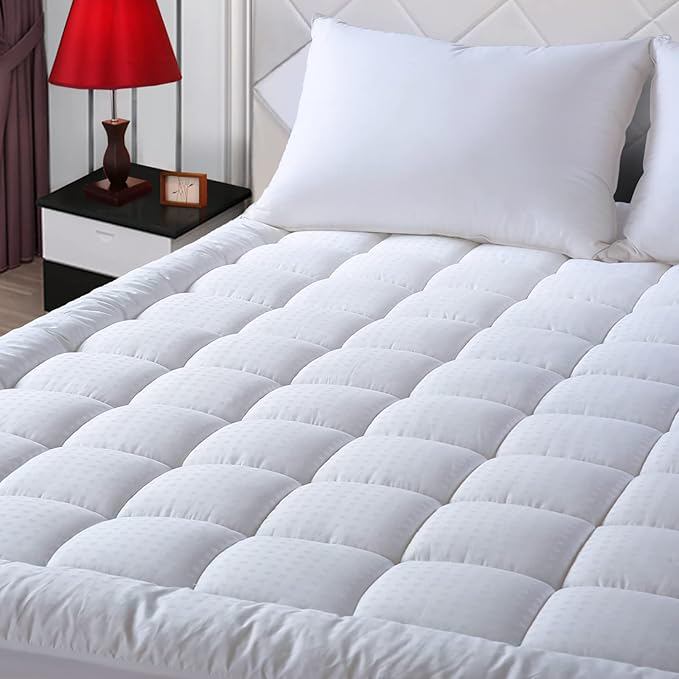
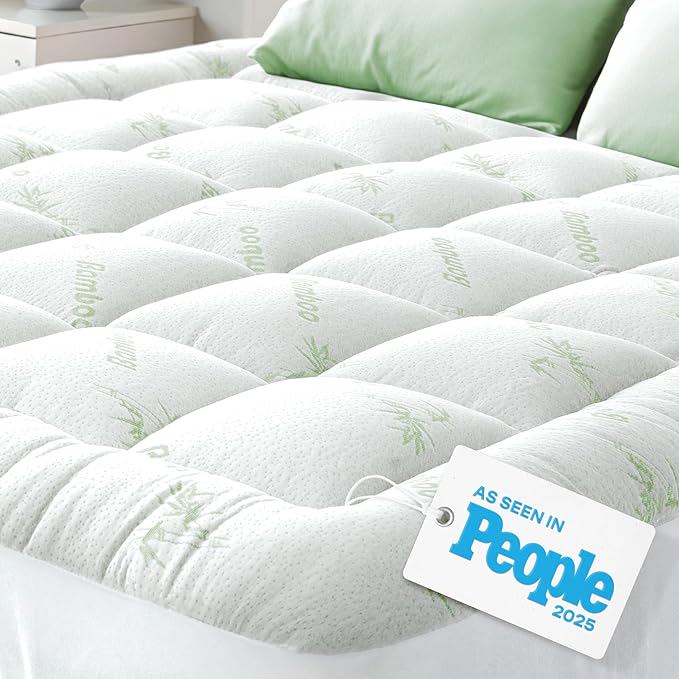
Try adjusting the thermostat to around 65°F (18°C). Swap synthetic or heavy bedding for breathable natural fibers like cotton or bamboo. If your partner needs more warmth, use a dual-zone blanket or just an extra throw on their side. Your legs may calm down within a few nights.
2. You have visible or hidden caffeine sources in the bedroom
That mug of tea you sip while reading in bed, the dark chocolate square on your nightstand, the soda you drank within two hours of lights-out — each delivers a dose of caffeine that hits your bloodstream just as your legs should be relaxing. Caffeine blocks adenosine, a brain chemical that promotes sleep, and simultaneously ramps up nervous system activity. For someone prone to RLS, even small amounts can ignite symptoms.
Check everything you consume after dinner for caffeine. That includes some decaf coffees (which still contain 2–15 mg per cup), green tea, and even certain flavored waters. Move your bedroom caffeine sources — yes, even the chocolate — to daytime only. Aim for zero caffeine at least 4–6 hours before bed.
3. Your mattress or pillows put pressure on nerves and circulation
An old, sagging mattress or a pillow that cradles your head improperly doesn’t just cause back pain — it can also affect nerve function in your legs. When your hip, knee, or ankle joints are compressed or misaligned during sleep, circulation to the lower limbs may be partially restricted. Poor circulation and nerve irritation are a direct invitation for RLS sensations to flare.
Test your mattress support. If it’s more than 7–8 years old, consider a replacement with medium-firm support. Place a thin, flat pillow under your knees if you sleep on your back, or between your knees if you’re a side sleeper — this keeps your spine neutral and reduces pressure on leg nerves.
4. Your room is too bright — especially with blue light
RLS is intimately tied to your circadian rhythm. Darkness signals melatonin release, which in turn helps calm motor activity in your limbs. But if your bedroom has a glowing alarm clock, streetlight seeping through the curtains, or the blue light of a phone charging on your nightstand, your brain may remain in a “low-level alert” state. That persistent light can disrupt the natural drop in dopamine that should happen during sleep, and low nighttime dopamine is a known RLS trigger.
Make your bedroom as dark as possible. Use blackout curtains, cover all LED lights with electrical tape, and banish screens from the bedroom entirely. If you need a nightlight, use a dim red bulb — red light has the least effect on melatonin and dopamine. Give yourself at least 30 minutes of darkness before you expect to fall asleep.
5. The air in your bedroom is dry, dusty, or allergen-heavy
You might not connect dust mites or seasonal allergies with restless legs, but there’s a link. Allergic reactions release histamine, and histamine is a neurostimulant that can activate the same pathways that drive RLS. If you wake up with a stuffy nose, scratchy throat, or itchy eyes alongside those leg sensations, your sleep environment’s air quality could be fanning both fires.
Run a HEPA-filter air purifier in your bedroom during the day and use allergy-proof covers on your mattress and pillows. Wash bedding weekly in hot water (130°F / 54°C) to kill dust mites. Keep humidity between 40–50% — too dry irritates nasal passages, while too humid encourages mold and mites.
6. You sleep in restrictive or irritating clothing
Wearing tight-waisted pajama bottoms, socks with elastic bands, or any clothing that constricts the thighs or calves can impede circulation and put pressure on sensory nerves. For many people, the sensation of tight fabric against the skin — combined with the normal vasodilation that happens during sleep — is enough to kickstart RLS symptoms.
Choose loose, soft sleepwear made from natural fibers. Cotton, modal, or bamboo fabrics that don’t cling. If you’re a restless sleeper, consider sleeping in just shorts or a T-shirt — avoid anything with a tight waistband. Some people find that wearing compression socks during the day helps RLS, but at night, unrestricted legs are usually better.
7. Your pre-bed relaxation routine is actually overstimulating your legs
This is the sneakiest sign of all. You might think you’re winding down with a hot bath, a leg massage, or some gentle stretching. But for sensitive nervous systems, certain sensations — like heat, vibration, or sustained pressure — can paradoxically trigger RLS rather than soothe it. If your legs feel worse after your “relaxation” ritual, your environment is part of the problem.
Pay attention to what you do in the 60 minutes before bed. Avoid hot baths right before sleep (try them 90 minutes earlier), skip vigorous leg massages, and swap out vibrating massage pads for static warm compresses. Instead, try a slow, seated forward fold or very gentle yoga (no up-and-down leg movements). Keep the sensory input low and consistent.
You don’t have to rip your whole bedroom apart to calm restless legs tonight. Start with the two likely suspects: lower the room temperature and eliminate all light sources. From there, address one or two more signs over the next week. The goal is to create a sleep environment that is cool, dark, quiet, and soothingly uneventful — the opposite of what RLS craves.
A quick caveat: If your symptoms remain severe despite environmental changes, or if you develop daytime fatigue, leg swelling, or changes in walking, consult a healthcare provider. RLS can sometimes signal underlying conditions like iron deficiency or peripheral neuropathy — adjustments to your bedroom can only do so much.